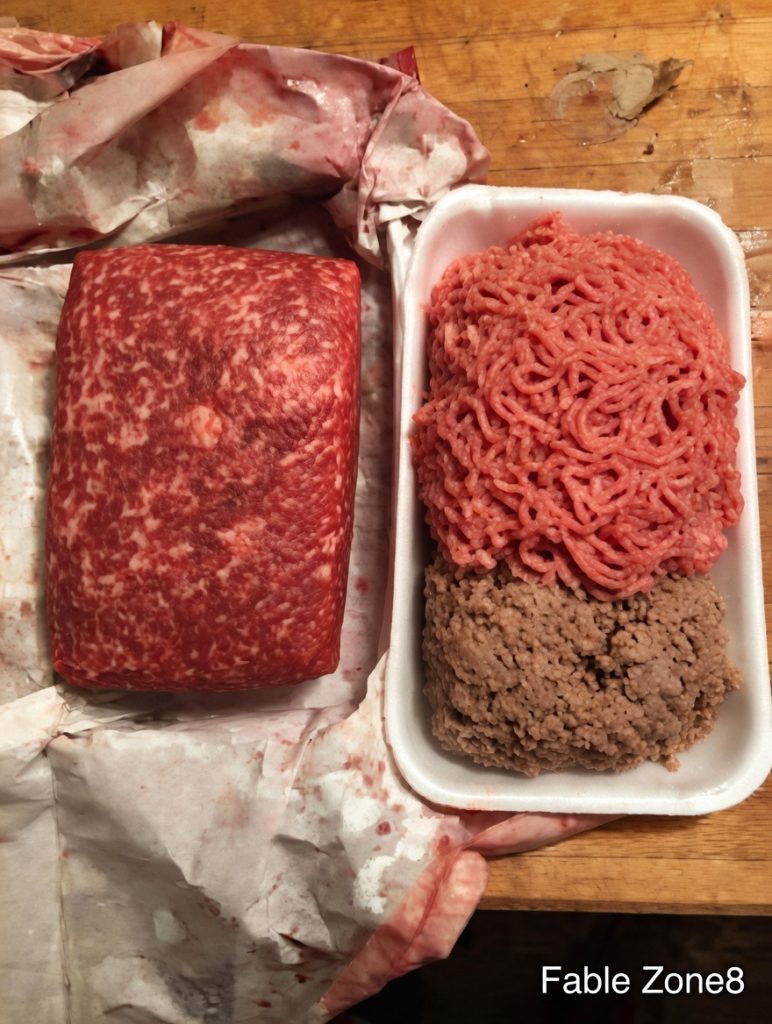
When you walk through the meat section of a supermarket, everything is designed to look appealing. Bright red cuts are neatly arranged, packaging promises freshness, and labels often suggest quality and care. At first glance, it feels reassuring—as if you’re choosing something wholesome and reliable for your table. But beneath that polished presentation lies a far more complex reality, one that many consumers rarely have the opportunity to fully understand.
The truth is, not all beef is created equal. The difference between supermarket meat and genuinely farm-raised beef goes far beyond taste. It touches on nutrition, transparency, environmental impact, and even the way animals are raised. Once you begin to look more closely, the contrast becomes difficult to ignore.
One of the most noticeable differences is quality and flavor. Farm-raised beef, particularly from smaller operations, often comes from cattle raised in open pastures. These animals have the freedom to move, graze, and develop naturally. Their diet—whether entirely grass-fed or supplemented with grains—tends to be more balanced and aligned with their natural biology. This results in meat that carries a deeper, more complex flavor and a texture that feels more authentic.
In contrast, much of the beef found in supermarkets originates from large-scale industrial systems. These operations are designed for efficiency and volume, not necessarily for quality. Cattle are often kept in confined spaces and fed high-calorie diets to accelerate growth. While this approach keeps production costs low, it can affect the overall character of the meat. The result may look uniform and visually appealing, but the taste can feel less distinctive, and the texture less natural.
Appearance itself can also be misleading. The bright red color that many people associate with freshness is not always an accurate indicator. In some cases, packaging techniques are used to maintain that color longer than it would naturally last. This doesn’t necessarily mean the meat is unsafe, but it does highlight how presentation can shape perception. Farm-raised beef, especially when purchased locally, may not always look as “perfect,” but it often reflects a more honest representation of freshness.
Nutrition is another important factor to consider. The way cattle are raised and fed has a direct impact on the nutritional profile of the meat. Beef from pasture-raised animals tends to contain higher levels of certain beneficial nutrients, including omega-3 fatty acids and specific antioxidants. These compounds are associated with supporting heart health and reducing inflammation.
On the other hand, beef from intensive feeding systems may contain a different balance of fats, often with higher levels of omega-6 fatty acids. While these fats are not inherently harmful, an imbalance between omega-6 and omega-3 in the diet is something many health experts suggest being mindful of. The difference is not always dramatic, but over time, these small variations can contribute to overall dietary patterns.
Another aspect that often goes unnoticed is the use of antibiotics and growth-promoting substances in large-scale operations. These practices are generally regulated and intended to maintain animal health in crowded environments. However, their widespread use has raised broader concerns about long-term impacts, including antibiotic resistance. Many smaller farms take a different approach, focusing on preventive care through space, diet, and lower stress conditions rather than routine interventions.
Transparency is where the gap between supermarket and farm-raised beef becomes especially clear. When purchasing from a local farmer or butcher who sources directly from nearby producers, it is often possible to trace exactly where the meat comes from. You can ask questions, learn about feeding practices, and understand how the animals were raised.
In contrast, supermarket supply chains are often complex and difficult to follow. Meat may pass through multiple stages—processing, packaging, distribution—before reaching the shelf. A single package can include contributions from numerous sources, making it harder to identify its origin. Labels may provide some information, but they don’t always tell the full story.
Environmental impact is another dimension worth considering. Large-scale meat production systems require significant resources, including feed, water, and energy. They also generate waste that must be managed carefully to avoid pollution. These systems play a role in broader environmental challenges, including greenhouse gas emissions and land use pressures.
Smaller, well-managed farms can take a different approach. Some use grazing practices that aim to maintain soil health and reduce environmental strain. When done responsibly, these methods can support ecosystems rather than deplete them. While not all small farms operate in the same way, many emphasize sustainability as part of their long-term viability.
Ethics also come into the conversation. The conditions in which animals are raised vary widely depending on the production system. Industrial operations focus on efficiency, which can limit space and natural behavior. Smaller farms often prioritize animal welfare, providing environments that allow for more natural movement and lower stress.
For many consumers, this is not just about the final product, but about the process behind it. Food choices can reflect personal values, and understanding how those choices align with broader concerns—whether environmental, ethical, or health-related—can influence purchasing decisions.
Cost is often the most immediate factor people consider. Supermarket beef is typically more affordable, which makes it accessible to a wider range of households. Farm-raised beef, especially from smaller producers, can be more expensive. However, the price difference reflects not just the product itself, but the methods used to produce it.
When evaluating cost, it can be helpful to think beyond the price per kilogram. Factors such as nutritional value, production practices, and long-term sustainability all contribute to the overall picture. For some, spending more on higher-quality meat may lead to consuming smaller portions while maintaining satisfaction and nutritional balance.
Navigating these choices can be challenging, especially with the variety of labels and claims found in stores. Terms like “natural” or “farm fresh” may sound reassuring, but they are not always strictly defined. More specific labels, such as “grass-fed” or certifications from recognized organizations, can provide clearer guidance. Even so, asking questions and seeking reliable sources of information remains one of the most effective ways to make informed decisions.
Supporting local producers can also have broader benefits. Small farms often contribute to local economies, maintain agricultural diversity, and preserve open land. By choosing to buy from them, consumers help sustain these systems and encourage practices that prioritize quality and responsibility.
Ultimately, the decision between supermarket and farm-raised beef is not about right or wrong. It is about awareness. Understanding where your food comes from allows you to make choices that align with your priorities, whether they relate to health, environment, ethics, or simply taste.
The next time you stand in front of a display of neatly packaged meat, it may be worth pausing for a moment. Consider not just how it looks, but how it was produced, where it came from, and what it represents. Behind every cut is a story—one shaped by countless decisions along the way.
Choosing farm-raised beef does not have to be an all-or-nothing commitment. Even small changes, such as occasionally sourcing from local producers or learning more about food origins, can make a difference. Over time, these choices can contribute to a more thoughtful and balanced approach to eating.
In the end, food is more than fuel. It connects us to the land, to the people who produce it, and to the systems that sustain us. By looking beyond the surface and seeking out the truth behind what we consume, we gain not only better meals, but a deeper understanding of the world around us.
And sometimes, that understanding begins with something as simple as asking where your meat really comes from.