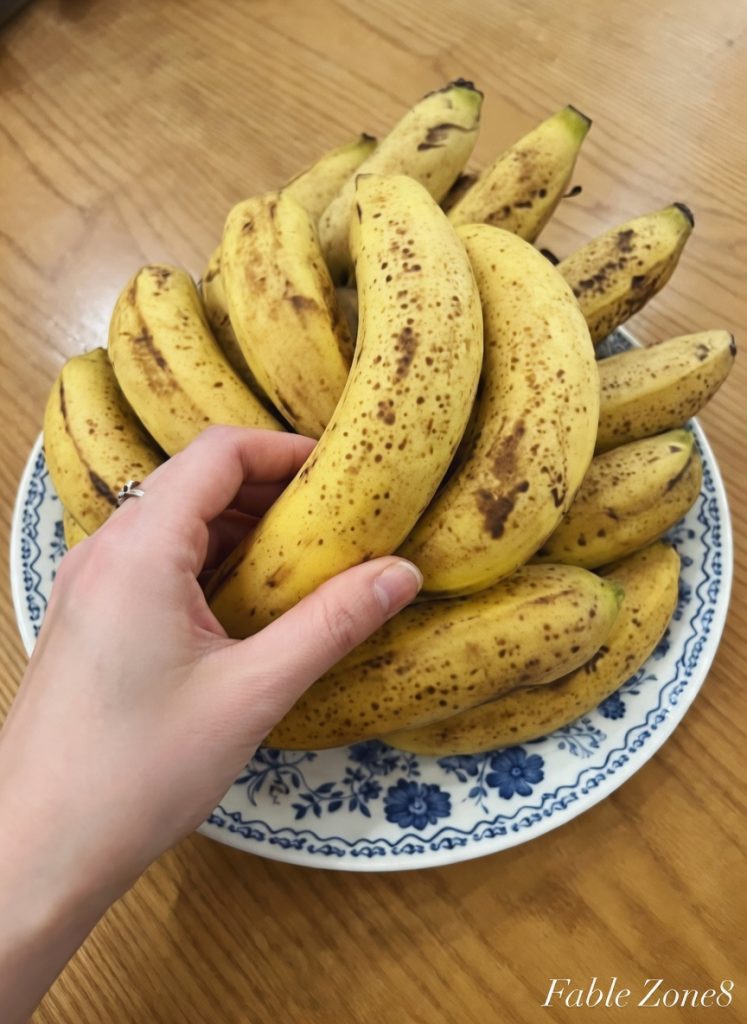
For decades, bananas have been seen as the ultimate “healthy” breakfast—quick, convenient, and packed with nutrients. Whether eaten on the go, sliced over cereal, or blended into a smoothie, they’ve earned a reputation as one of the easiest ways to start the day right.
But in recent years, nutrition experts and doctors have begun to challenge one specific habit: eating bananas alone, first thing in the morning, especially on an empty stomach. While bananas themselves are undeniably nutritious, the timing and context in which you eat them can significantly affect how your body responds.
At first, this might sound surprising—even contradictory. After all, how could something so natural and widely recommended have downsides? The answer lies not in the banana itself, but in how your body processes it when consumed in isolation.
The Hidden Problem with the “Morning Banana”
Bananas are rich in natural sugars—primarily glucose, fructose, and sucrose. These sugars are quickly absorbed into the bloodstream, providing an immediate boost of energy. That’s one of the reasons bananas feel so satisfying at first bite, especially when you’re hungry in the morning.
However, this rapid energy boost can be misleading.
When you eat a banana alone, without any protein, fat, or additional fiber to slow digestion, your blood sugar rises quickly. Your body responds by releasing insulin, a hormone that helps move sugar out of the bloodstream and into your cells.
But here’s where the problem begins.
Because the sugar spike happens rapidly, insulin can sometimes overcompensate, causing blood sugar levels to drop just as quickly as they rose. This leads to what many experts describe as a “blood sugar roller coaster.”
The result?
- A burst of energy followed by fatigue
- Increased hunger within a few hours
- Cravings for sugar or caffeine
- Difficulty maintaining focus
If you’ve ever eaten a banana early in the morning and found yourself hungry again by mid-morning, this cycle is likely the reason.
Why Timing Matters More Than You Think
When you wake up, your body is in a natural fasting state. Blood sugar levels are relatively low, and your first meal sets the tone for how your metabolism will function throughout the day.
Foods that are high in simple carbohydrates—like bananas—can disrupt that balance when eaten alone. Without protein or fat to slow absorption, glucose floods the bloodstream too quickly.
This doesn’t just affect energy levels. Over time, repeated spikes and crashes can strain your body’s ability to regulate blood sugar effectively. In some cases, this may contribute to insulin resistance, a condition linked to weight gain, fatigue, and an increased risk of metabolic disorders.
It’s important to emphasize: bananas are not harmful. The issue is context, not the food itself.
What Happens Inside Your Body
Let’s break it down step by step:
1. Rapid digestion:
The natural sugars in the banana are quickly broken down and absorbed.
2. Blood sugar spike:
Glucose levels rise sharply, giving you a temporary boost in energy.
3. Insulin release:
Your pancreas releases insulin to manage the spike.
4. Sudden drop:
Blood sugar levels fall, sometimes lower than before.
5. Hunger signals:
Your brain interprets the drop as a need for more fuel, triggering cravings.
This entire cycle can happen within just a couple of hours.
The Mid-Morning Crash Explained
Many people blame their mid-morning fatigue on lack of sleep or stress. While those factors can play a role, unstable blood sugar is often a hidden contributor.
A banana on its own may not provide enough sustained energy to carry you through the morning. Without protein or fat, it digests too quickly, leaving your body searching for more fuel soon after.
That’s why pairing matters.
So, Should You Stop Eating Bananas?
Not at all.
Bananas are one of the most nutrient-dense fruits available. They’re rich in:
- Potassium, which supports heart health and blood pressure
- Vitamin B6, important for brain function
- Vitamin C, which supports immunity
- Magnesium, which aids muscle and nerve function
- Fiber, which helps digestion
They also contain compounds that support mood regulation and gut health.
The goal isn’t to eliminate bananas—it’s to eat them in a way that works with your body, not against it.
The Right Way to Eat Bananas
The key is balance.
By combining bananas with foods that contain protein, healthy fats, or additional fiber, you can slow down sugar absorption and maintain steady energy levels.
Here are some effective combinations:
Banana + Greek yogurt
Adds protein and probiotics, helping digestion and stabilizing blood sugar.
Banana + nut butter
Healthy fats from peanut or almond butter slow glucose release and increase satiety.
Banana + oats
Oatmeal provides soluble fiber, turning quick sugar into sustained energy.
Banana + eggs
Protein and fat from eggs balance the banana’s carbohydrates.
Banana smoothie with seeds or greens
Adding chia seeds, flaxseeds, or spinach creates a more complete, nutrient-rich meal.
These combinations transform a fast-digesting snack into a balanced breakfast.
The Coffee Connection
A common habit is pairing a banana with coffee and calling it breakfast. While convenient, this combination can amplify energy instability.
Caffeine stimulates cortisol, a stress hormone that can interfere with blood sugar regulation. Combined with the quick sugar from a banana, this can lead to:
- Jitters
- Increased hunger
- Energy crashes
- Mild dehydration
If you enjoy both, the solution is simple: add something else to the meal—like yogurt, nuts, or whole grains—to create balance.
Who Should Be More Careful
While most people can enjoy bananas without issue, certain groups should pay closer attention to how they consume them:
People with diabetes or prediabetes
Managing blood sugar is critical, so pairing bananas with protein or fat is especially important.
People trying to lose weight
A banana alone may not be filling enough, leading to overeating later.
People with sensitive digestion
Eating fruit alone on an empty stomach can sometimes cause bloating or discomfort.
Ripe vs. Unripe Bananas
The ripeness of a banana also affects how your body processes it.
- Ripe bananas (yellow with spots): Higher in sugar, easier to digest
- Unripe bananas (green): Higher in resistant starch, slower to digest, better for blood sugar control
Resistant starch acts more like fiber, helping feed beneficial gut bacteria and reducing spikes in glucose.
However, unripe bananas can be harder to digest for some people, so personal tolerance matters.
Bananas and Gut Health
Bananas contain prebiotic fibers that support healthy gut bacteria. A balanced gut microbiome plays a key role in digestion, immunity, and even mood.
However, when eaten alone, especially on an empty stomach, the rapid fermentation of sugars can sometimes cause bloating.
Pairing bananas with other foods helps regulate digestion and reduces discomfort.
Best Times to Eat a Banana
If mornings don’t work well for your body, consider alternative times:
Mid-morning snack
After a balanced breakfast, a banana can provide a steady energy boost.
Before a workout
Bananas are excellent for quick fuel before exercise.
After a workout
Combined with protein, they help replenish glycogen and support muscle recovery.
Afternoon snack
A healthier alternative to processed sweets.
Common Myths About Bananas
“Bananas are fattening”
No single food causes weight gain. Total calorie intake matters more.
“Bananas are too sugary”
They contain natural sugars, but also fiber and nutrients. Balance is key.
“Bananas are bad for diabetics”
They can be included in moderation when paired with other foods.
The Emotional Side of Food
For many people, bananas are more than just nutrition—they’re comfort, routine, and familiarity. Being told that a привычка might not be ideal can feel frustrating or even discouraging.
But this isn’t about labeling foods as “good” or “bad.” It’s about understanding how your body responds and making small adjustments that improve how you feel.
You don’t need to give up your banana. You just need to rethink how you include it in your routine.
Small Changes, Big Impact
The difference between an energy crash and sustained focus can come down to something as simple as adding one extra ingredient to your breakfast.
Instead of:
- Banana + coffee
Try:
- Banana + yogurt + nuts
- Banana + oatmeal + seeds
- Banana + toast + peanut butter
These small upgrades can dramatically improve how you feel throughout the day.
The Bottom Line
Bananas are not the problem. The way they’re often eaten is.
When consumed alone on an empty stomach, they can:
- Spike blood sugar
- Lead to energy crashes
- Increase hunger and cravings
But when paired with protein, fat, or fiber, they become:
- A steady source of energy
- Supportive of digestion
- Nutrient-rich and satisfying
The takeaway is simple: don’t remove bananas from your diet—optimize how you eat them.
Because good nutrition isn’t about restriction. It’s about balance, awareness, and making choices that support your body in the long run.
The next time you reach for a banana in the morning, don’t second-guess it—just pair it wisely.