Scratches on eyeglasses are one of those deceptively small problems that slowly erode comfort and clarity. At first, a scratch may seem harmless—barely visible unless the light hits it just right. Over time, however, it begins to interfere with reading, creates glare while driving at night, or causes subtle distortion that leads to eye strain and headaches. Because replacing lenses can feel expensive or inconvenient, many people search for at-home solutions, hoping for a simple fix. The internet is full of advice promising instant repairs using everyday items, but most of those claims oversell what is realistically possible. Scratches cannot truly be “repaired” in the way broken objects can be restored. In most cases, the best that can be achieved is reducing the visibility of very fine scratches under specific conditions. Understanding why matters. Modern lenses are typically made from plastic, polycarbonate, or high-index materials and are layered with delicate coatings for anti-reflection, scratch resistance, UV protection, or blue-light filtering. These coatings are far softer than the base lens and are often the first thing damaged. Many DIY methods work not by fixing scratches but by thinning or removing coatings, which may temporarily reduce glare while quietly harming visual quality. Any attempt to treat scratched glasses must begin with realistic expectations and an understanding that preserving eye comfort and long-term vision health matters more than cosmetic improvement.
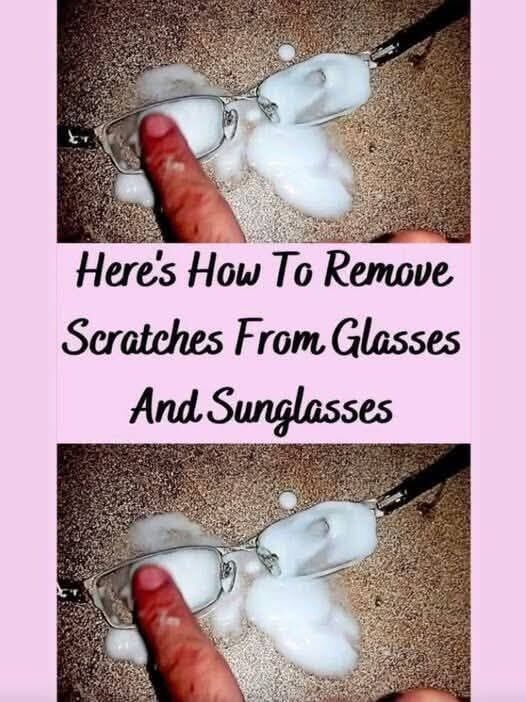
One commonly discussed method involves using a baking soda paste, often because baking soda is familiar and mildly abrasive. When used with extreme caution, it may slightly reduce the appearance of hairline scratches on uncoated plastic or glass lenses. The key lies in preparation and restraint. Lenses must first be cleaned thoroughly using proper lens cleaner or mild soap and water to remove dust that could cause further damage. A smooth paste made with distilled water—never gritty or thick—can then be applied using a fingertip or soft cotton ball. The motion should be gentle, circular, and limited to a few seconds, followed by immediate rinsing and drying with a microfiber cloth. This method does not remove scratches; it subtly smooths sharp edges that scatter light. Even then, improvement is often minimal and lighting-dependent. Baking soda should never be used on lenses with anti-reflective, blue-light, or scratch-resistant coatings, as it can strip or haze these layers quickly. Overuse can also create uneven surfaces that distort vision. This approach is best reserved for old, inexpensive, non-prescription, or backup glasses where the risk of damage is acceptable.
Toothpaste is another frequently suggested option, but it carries even greater risks. Decades ago, some toothpastes were relatively simple and mildly abrasive, which is why the myth persists. Modern formulas almost always contain silica, whitening agents, tartar-control chemicals, or micro-abrasives intended for enamel, not optical plastics. Only plain, non-gel, non-whitening toothpaste should ever be considered, and even then, it should be treated as a last resort. A tiny amount applied to a damp microfiber cloth can be lightly buffed over a scratch for a few seconds before rinsing thoroughly. As with baking soda, the goal is not removal but reduction of light scatter. The danger lies in how quickly toothpaste can cloud lenses, strip coatings, or leave residue that permanently affects clarity. Testing on a corner first is essential, and stopping immediately at the first sign of haze is critical. For most modern prescription lenses, toothpaste is far more likely to cause irreversible damage than meaningful improvement.
Some people turn to car waxes, plastic polishes, or eyewear scratch fillers, which work by filling scratches rather than altering the lens surface. When applied sparingly and buffed carefully, these products can temporarily make fine scratches less noticeable, especially on sunglasses or older reading glasses. Specialized plastic polishes marketed for optical use are generally safer than automotive products, but they still come with limitations. The effect is temporary; fillers wear away with cleaning and daily use, and residue can interfere with anti-reflective coatings or create smearing under bright light. These methods should never be used on glasses relied upon for driving, prolonged screen work, or precise vision tasks. They may be useful as a short-term cosmetic improvement for a secondary pair, but they do not restore optical integrity. Meticulous cleaning before and after application is essential to prevent buildup and further irritation.
Knowing what not to try is just as important as knowing what might help. Metal polishes such as Brasso, often promoted online as miracle solutions, are far too abrasive for eyeglasses and almost guarantee permanent damage. Household cleaners, vinegar, rubbing alcohol, baking powders with coarse granules, sandpaper, or scouring pads can ruin lenses in seconds. These substances can etch plastic, warp surfaces, and destroy coatings beyond repair. The temptation to experiment usually comes from frustration, but restraint is essential. Once a lens is permanently clouded or stripped, no amount of cleaning or polishing can restore it. Understanding these limits protects not only your glasses but also your vision, which depends on smooth, distortion-free surfaces to function comfortably.
Because true scratch repair is rarely possible, prevention remains the most effective long-term solution. Simple habits dramatically reduce wear over time. Always store glasses in a hard case when not in use, keeping them away from keys, coins, and grit. Clean lenses only with microfiber cloths and proper lens cleaner, never paper towels, tissues, or clothing, which contain hidden abrasives. Rinse lenses with water before wiping away debris to avoid dragging particles across the surface. Set glasses down with lenses facing up and keep them away from sandy or dusty environments whenever possible. When ordering new lenses, invest in high-quality scratch-resistant and anti-reflective coatings from reputable providers, and consider a backup pair for activities that are rougher on eyewear. There comes a point when replacement is the safest and healthiest option—especially if scratches sit in your direct line of sight, cause glare, headaches, or eye strain, or coincide with peeling coatings or cracks. Clear vision is not a luxury; it is essential to safety, comfort, and daily functioning. Letting go of scratched lenses and choosing clarity again is often the most practical, eye-friendly decision you can make.