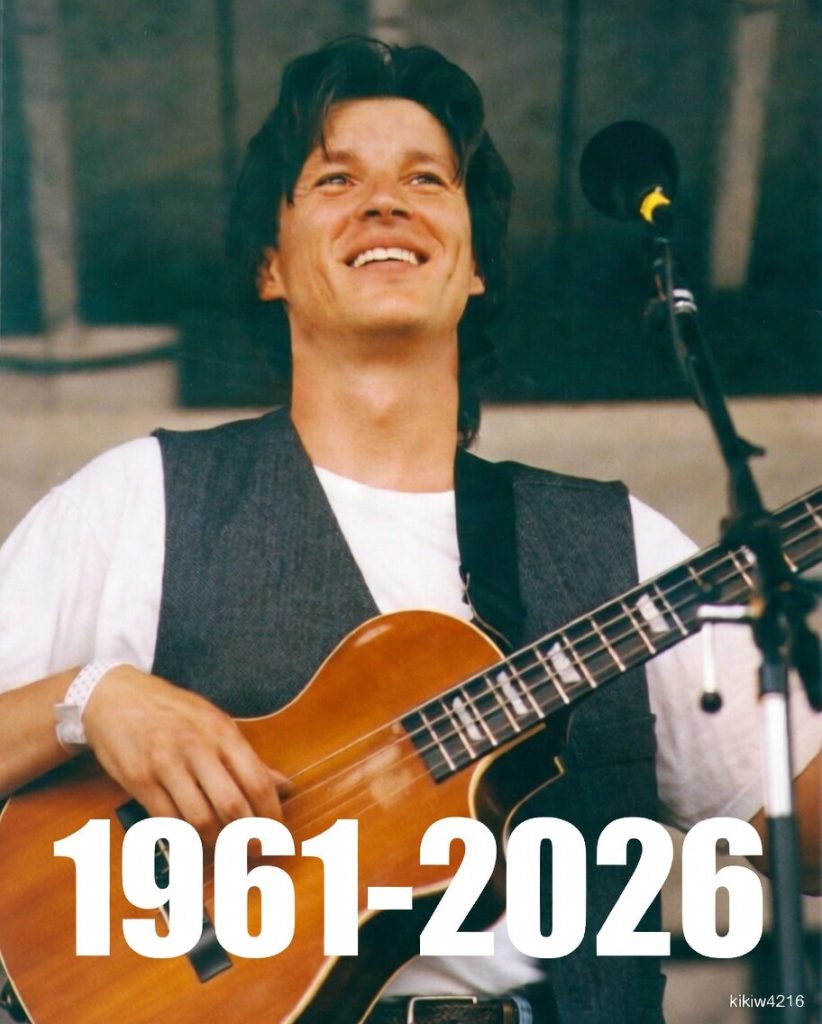
The sudden loss of Ronnie Bowman at the age of sixty-four has sent a profound wave of grief through the world of bluegrass and country music, leaving behind a silence that feels both heavy and deeply personal. For many, his voice was more than sound—it was a companion through life’s most emotional moments, a steady presence that carried stories of faith, heartbreak, redemption, and resilience. News of his passing following a reported motorcycle tragedy has stunned fans and fellow musicians alike, not only because of its unexpected nature but because of the irreplaceable role he played in shaping the emotional and artistic landscape of American roots music. In the days since, tributes have poured in from across the industry, each one echoing a shared sentiment: that something truly rare has been lost.
To understand the magnitude of that loss, one must look back to where it all began. Born and raised in North Carolina, Bowman’s musical journey was rooted in the traditions that define bluegrass at its core—community, storytelling, and authenticity. His earliest performances took place in small churches, surrounded by family and familiar faces, where music was not a profession but a shared expression of belief and belonging. These formative experiences shaped not only his voice but his philosophy. He learned early that a song could do more than entertain—it could heal, connect, and give meaning to experiences that words alone could not fully capture. Gospel harmonies blended seamlessly with traditional bluegrass structures, creating a foundation that would later define his unmistakable sound.
As he grew into his craft, Bowman’s talent became impossible to ignore. His voice carried a depth that felt lived-in, as though every note had been shaped by experience. But it was his songwriting that truly set him apart. In an industry often driven by trends, he remained committed to authenticity. His lyrics were simple on the surface but layered with emotional complexity, exploring themes that resonated universally—loss, hope, faith, and the quiet strength found in everyday life. He had a rare ability to translate deeply personal emotions into songs that felt collective, as though he were telling everyone’s story at once.
Over time, Ronnie Bowman became not just a respected performer but a cornerstone of the genre itself. His influence extended far beyond his own recordings. He collaborated with numerous artists, lending both his voice and his writing to projects that would go on to define modern bluegrass and country music. Fellow musicians often spoke of his generosity—not just in sharing his talent, but in offering guidance, encouragement, and genuine support. He was known as someone who lifted others up, who understood that music was not a competition but a shared journey.
Despite his growing recognition, Bowman remained grounded. Fame never seemed to interest him in the way it does for many. For him, music was always about connection. Whether performing on a large stage or in a more intimate setting, he approached each moment with the same sincerity. Audiences felt that. They trusted him. And in return, they carried his songs with them, weaving them into the fabric of their own lives.
Beyond the stage and studio, those who knew him personally describe a man defined by kindness and integrity. Stories shared in the wake of his passing paint a picture of someone who valued people above all else. He made time for others, whether it was mentoring young musicians or simply offering a listening ear. These quiet acts of generosity often went unnoticed by the wider public, but for those who experienced them, they left a lasting impression. It is this combination of artistic brilliance and personal humility that made his presence so impactful.
The tragedy of his passing has forced many to reflect not only on what has been lost, but on what remains. Because while his physical presence is gone, his work continues to live on. His songs still carry the same emotional weight, the same honesty, the same ability to reach into the hearts of listeners and remind them of something deeply human. In this way, his voice has not truly been silenced—it has been preserved, echoing through recordings, performances, and the countless artists he influenced.
In moments like this, the concept of legacy takes on a deeper meaning. It is not measured solely by awards or recognition, though Bowman certainly earned both. It is measured by impact—by the lives touched, the stories told, the emotions stirred. And by that measure, his legacy is immense. He helped shape a genre, but more importantly, he helped shape the way people experience that genre. He reminded audiences that music could still be honest, still be raw, still be real.
As the bluegrass and country music communities continue to mourn, there is also a sense of gratitude. Gratitude for the songs he left behind, for the influence he shared, for the moments of connection he created. Future generations will discover his work and feel that same resonance, that same sense of truth that defined his artistry. And in that discovery, his legacy will continue to grow.
Loss often brings with it a question: what remains after someone is gone? In the case of Ronnie Bowman, the answer is clear. What remains is a body of work that continues to speak, to comfort, to inspire. What remains is a standard of authenticity that challenges others to dig deeper, to be more honest in their own expression. What remains is a reminder that the most powerful voices are not always the loudest, but the ones that speak with truth.
His passing has left a void that cannot be filled. But it has also illuminated the depth of his impact. In the quiet that follows, his music still plays. And for those who listen closely, his voice is still there—steady, sincere, and enduring.