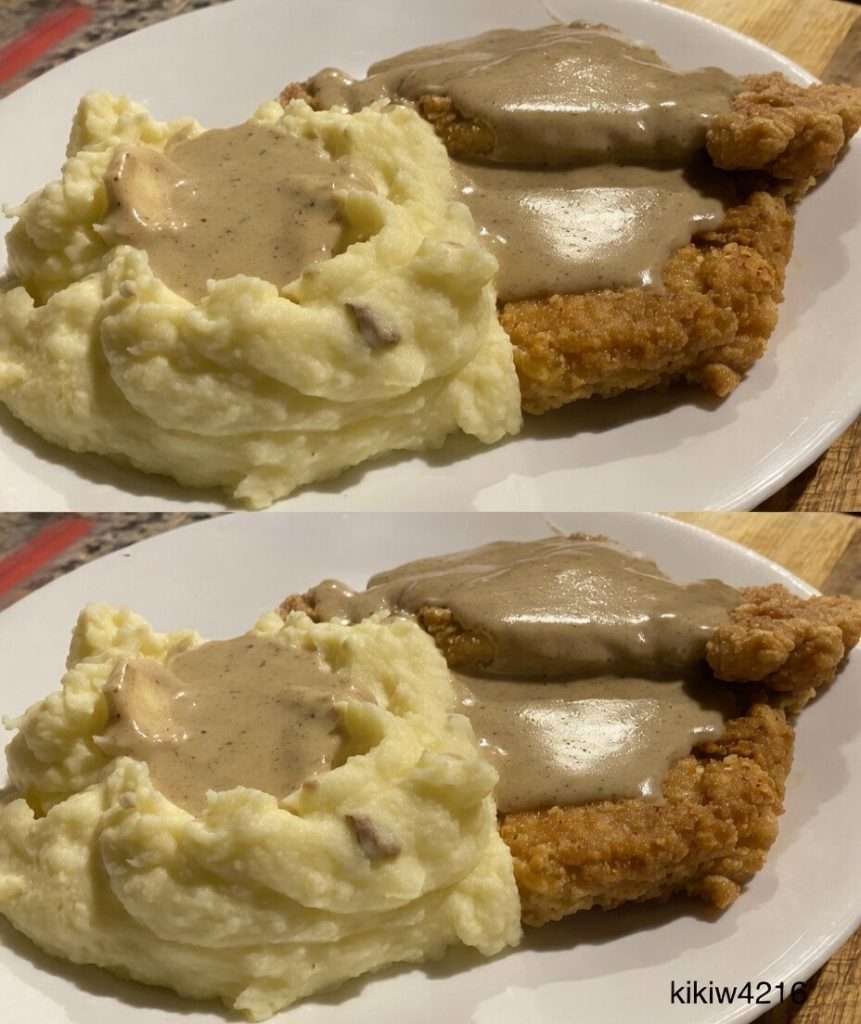
Mashed potatoes have long held a place at the heart of comfort cooking. They appear on tables across cultures and generations, equally at home beside a weeknight meal or a festive spread. Simple in composition yet deeply satisfying, they seem almost immune to failure. And yet, beneath that simplicity lies a quiet truth: the way potatoes are cooked before they are mashed determines nearly everything about the final dish. Texture, flavor, and even nutritional value are all shaped long before butter or cream ever enters the bowl.
For many home cooks, boiling potatoes in plain water is an unquestioned starting point. It is a method inherited rather than examined, repeated because it works well enough. But “well enough” often hides missed potential. When potatoes are submerged in plain water and heated, the process is not as neutral as it appears. It subtly strips away flavor while introducing excess moisture, creating a foundation that must later be corrected rather than celebrated.
Understanding this begins with recognizing the nature of the potato itself. A potato is not bland by default. It contains a delicate balance of starch, natural sugars, minerals, and earthy compounds that give it character. When cooked properly, these elements combine to create a flavor that is mild but distinctly rich and grounding. However, when potatoes are boiled in plain water, that balance begins to shift.
As the water heats, the structure of the potato softens. Its cell walls break down, allowing internal compounds to move more freely. Some of those compounds—particularly starches and flavor molecules—begin to leach out into the surrounding liquid. At the same time, water seeps into the potato, diluting what remains. The result is subtle but significant: a potato that is softer, but also less expressive in flavor.
This is why many mashed potato recipes rely heavily on butter, cream, salt, and other additions. These ingredients are not just enhancing the dish—they are compensating for what was lost during boiling. The potato itself becomes a neutral canvas rather than a flavorful base.
By contrast, when the cooking process is approached with more intention, the outcome changes dramatically. Replacing plain water with a seasoned liquid—such as broth, stock, or even lightly salted water infused with herbs—transforms the process from one of loss to one of infusion. Instead of pulling flavor out, the liquid introduces new depth into the potato as it cooks.
This shift is both simple and profound. As the potatoes absorb moisture, they also absorb the character of the liquid. A vegetable broth might enhance their natural earthiness. A chicken or beef stock can add savory richness. Even a subtle addition of garlic, bay leaves, or thyme to the cooking water can create layers of flavor that are carried all the way through to the final mash.
The difference becomes clear the moment the potatoes are tasted before mashing. They no longer require rescue. They stand on their own, already carrying a depth that feels complete.
Texture, too, is deeply affected by this choice. One of the most common challenges in making mashed potatoes is achieving the right consistency. Too much water leads to a loose, diluted mash. Too much mixing leads to a gluey, overly dense result as excess starch is released. These issues often stem from the initial cooking phase.
When potatoes absorb plain water, their internal balance shifts. The added moisture weakens the structure created by starch gelatinization, making it harder to achieve a cohesive texture. This often leads to overcompensation—more mixing, more fat, more effort to create smoothness—each step introducing its own set of problems.
Cooking potatoes in a more controlled liquid environment helps preserve that balance. The starch remains more intact, allowing it to form a stable, airy structure when mashed. The result is a texture that feels naturally creamy without being heavy, smooth without being overly processed.
Another often overlooked factor is whether to cook potatoes with their skins on. While many recipes call for peeling them beforehand, leaving the skins intact during boiling can offer both practical and culinary benefits. The skin acts as a barrier, slowing the absorption of excess liquid and helping maintain structural integrity. This alone can improve texture significantly.
Beyond that, the skins contribute flavor and nutrients. They carry subtle earthy notes that enhance the overall profile of the dish. When included in the mash, they create a slightly rustic texture that adds interest and depth. For those who prefer a smoother finish, the skins can be removed after cooking, allowing the potatoes to benefit from their protection without altering the final consistency.
These small adjustments—changing the cooking liquid, reconsidering the role of the skin—may seem minor, but together they reshape the entire dish. They shift mashed potatoes from something that is assembled at the end into something that is built thoughtfully from the beginning.
Perhaps the most important outcome of this approach is not just improved flavor or texture, but a change in perspective. Cooking becomes less about following routine and more about understanding process. Each step is no longer automatic but intentional, guided by the desired result rather than habit.
This mindset extends beyond potatoes. It encourages a broader awareness of how ingredients behave, how techniques influence outcomes, and how small decisions accumulate into meaningful differences. It reveals that even the most familiar dishes still have room for refinement.
Mashed potatoes, in this sense, become more than a side dish. They become a lesson in attention. A reminder that simplicity does not mean limitation, but opportunity. When treated with care, even the most basic ingredients can deliver something extraordinary.
In the end, skipping plain water is not about rejecting tradition—it is about evolving it. It is about recognizing that improvement often lies not in adding more, but in preserving what is already there. By protecting flavor from the start and building upon it thoughtfully, the final dish becomes richer, more balanced, and more satisfying.
And once you experience that difference, it becomes difficult to go back.