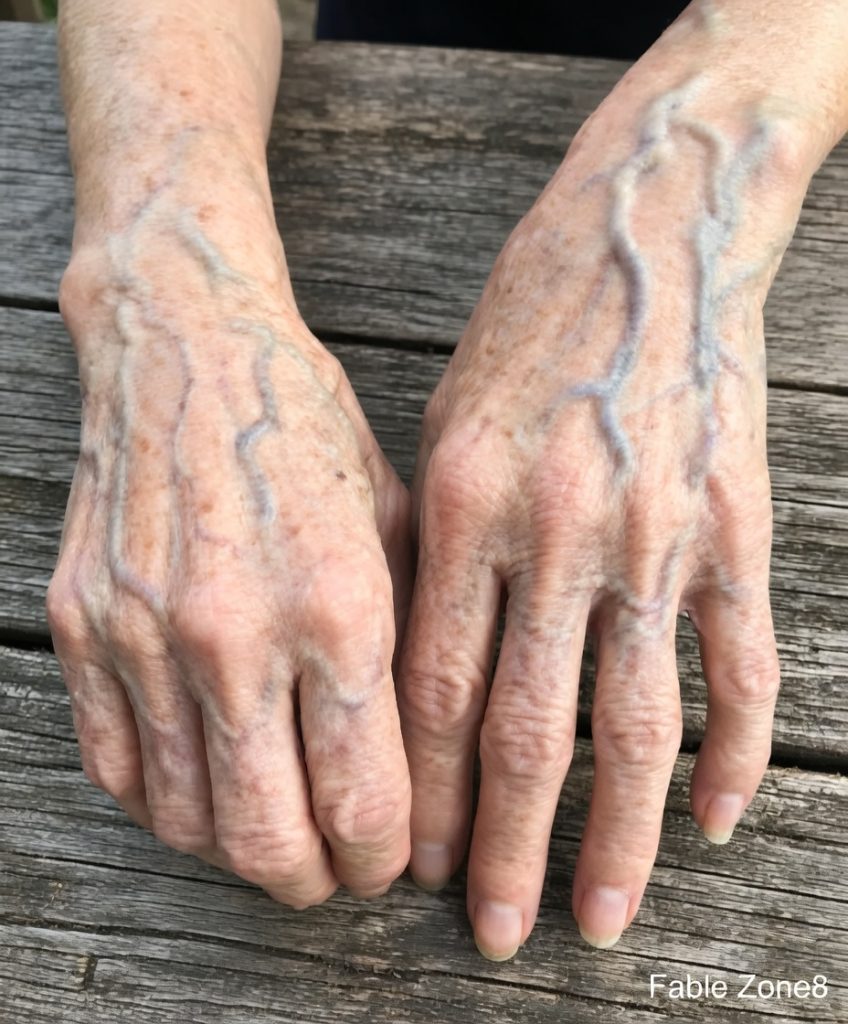
Many people at some point in their lives look down at their hands and notice something that suddenly seems different: the veins appear more visible, more raised, or more pronounced than before. This observation often triggers concern, especially in a world where people are increasingly aware of heart health and circulation. It is not unusual for someone to immediately wonder whether these visible veins are a warning sign of a deeper issue, particularly something related to the cardiovascular system. The truth, however, is far less alarming than many assume. In most cases, visible veins on the hands are a completely normal part of human anatomy and are influenced by a variety of harmless factors rather than serious disease.
To understand why veins become visible, it helps to first understand their role in the body. Veins are responsible for carrying blood back to the heart after oxygen has been delivered to tissues. Unlike arteries, which carry blood away from the heart under high pressure, veins operate under lower pressure and rely on a combination of muscle movement and internal valves to keep blood flowing in the right direction. Because of their structure and position closer to the surface of the skin in certain areas—especially the hands—they can sometimes be seen more clearly than other blood vessels.
One of the most important reasons why hand veins become more noticeable is simply the structure of the skin itself. The skin on the hands is naturally thinner than in many other parts of the body, and there is typically less fat beneath it. Fat acts as a kind of padding that can obscure underlying structures, including veins. When that layer is thinner, veins are more likely to be visible. This is why people who have lower body fat percentages, whether due to genetics, fitness levels, or weight loss, often have more prominent veins. Athletes, for example, frequently have visible veins not because of any health problem, but because their bodies have less subcutaneous fat and higher levels of muscle definition.
Aging is another significant factor that contributes to the visibility of veins. As people grow older, the skin naturally loses collagen and elasticity. This process causes the skin to become thinner and less firm, making it easier to see the structures beneath it. At the same time, veins themselves can become slightly more prominent due to changes in the vascular system over time. These age-related changes are completely normal and are not, on their own, a sign of heart disease or poor circulation.
Temperature also plays a surprisingly large role in how veins appear. In warmer conditions, the body works to regulate its temperature by allowing blood vessels to expand, a process known as vasodilation. When veins expand, they carry more blood and become more visible beneath the skin. This is why veins may appear more prominent on a hot day or after a warm shower. In contrast, cold temperatures cause blood vessels to constrict, making veins less noticeable. This constant adjustment is part of the body’s natural system for maintaining internal balance.
Physical activity is another common reason for temporary changes in vein visibility. During exercise, muscles require more oxygen, which increases blood flow throughout the body. As a result, veins expand to accommodate this increased demand, often becoming more visible in the process. This effect is usually temporary and fades once the body returns to a resting state. For individuals who exercise regularly, however, veins may remain somewhat more prominent due to improved circulation and reduced body fat over time.
Hydration levels can also influence how veins look. When the body is well-hydrated, blood volume is maintained at optimal levels, supporting smooth circulation. Dehydration, on the other hand, can reduce blood volume slightly and may cause veins to appear either more pronounced or, in some cases, less full. While hydration alone is not a major factor in vein visibility, it contributes to overall vascular function and can subtly affect how veins appear from day to day.
Genetics should not be overlooked when considering why some people have more visible veins than others. Just as individuals inherit traits like eye color or height, they also inherit aspects of their vascular structure and skin composition. Some people naturally have veins that are closer to the surface of the skin or skin that is thinner and more translucent. This genetic variation means that vein visibility can differ greatly from person to person without indicating any difference in health status.
Given all these factors, it becomes clear that visible hand veins are usually the result of normal physiological processes rather than a warning sign of heart disease. The cardiovascular system is complex, and its health cannot be accurately judged based on the appearance of veins in one small area of the body. Heart conditions typically involve symptoms such as chest pain, shortness of breath, fatigue, or irregular heartbeat—not simply the visibility of veins on the hands.
That said, there are certain situations where changes in vein appearance may be worth paying closer attention to, especially if they are accompanied by other symptoms. Conditions related to the veins themselves, rather than the heart, can sometimes cause noticeable changes. For example, varicose veins occur when the valves inside veins weaken, allowing blood to pool rather than flow efficiently. While these are most common in the legs, similar issues can occasionally affect other areas. Chronic venous insufficiency is another condition where veins struggle to return blood effectively, leading to symptoms such as swelling, discomfort, and skin changes.
However, these conditions rarely present as isolated visible veins without other signs. More concerning symptoms to watch for include persistent swelling in the hands or limbs, pain or heaviness, skin discoloration, numbness, tingling, or wounds that heal slowly. These symptoms may indicate issues with circulation that warrant medical evaluation. Even in such cases, the problem is typically related to the veins or peripheral circulation rather than the heart itself.
It is also important to distinguish between aesthetic concerns and medical concerns. In today’s image-conscious culture, visible veins are sometimes viewed negatively, leading people to worry unnecessarily about their appearance. In reality, visible veins are often a sign of a healthy, functioning circulatory system. They indicate that blood is moving through the veins as it should, returning to the heart efficiently.
Maintaining good vascular and heart health is less about monitoring the appearance of veins and more about adopting healthy lifestyle habits. Regular physical activity is one of the most effective ways to support circulation. Movement helps the muscles assist in pumping blood through the veins, reducing the risk of stagnation and improving overall cardiovascular efficiency. Even simple activities like walking can have a significant impact over time.
Diet also plays a crucial role in maintaining healthy blood vessels. A balanced diet rich in fruits, vegetables, whole grains, lean proteins, and healthy fats provides the nutrients needed to support the vascular system. Foods high in antioxidants can help reduce inflammation, while those rich in fiber support healthy cholesterol levels. Limiting processed foods, excessive salt, and unhealthy fats can further protect the heart and blood vessels.
Hydration should not be overlooked, as water is essential for maintaining proper blood volume and circulation. Drinking enough fluids throughout the day helps the body function efficiently and supports the transport of nutrients and oxygen to tissues.
Avoiding long periods of inactivity is another key factor. Sitting or standing still for extended periods can slow circulation and increase pressure in the veins. Taking breaks to move around, stretch, or change position can help maintain healthy blood flow.
Regular medical checkups are also an important part of cardiovascular health. Routine screenings can detect issues such as high blood pressure, elevated cholesterol, or early signs of vascular problems before they become serious. Early detection allows for timely intervention and better long-term outcomes.
Ultimately, the visibility of veins on the hands is usually a reflection of normal biological variation rather than a sign of disease. While it is natural to notice changes in the body and wonder what they mean, it is important to consider the broader context. Is the change accompanied by other symptoms? Has there been a change in weight, activity level, or environment? Are there known genetic factors at play? Asking these questions can help put things into perspective.
Understanding the difference between normal variation and potential warning signs is key to maintaining both physical health and peace of mind. Visible veins, in most cases, fall firmly into the category of normal variation. They are influenced by factors such as skin thickness, body fat, temperature, activity, hydration, aging, and genetics—all of which are part of everyday life.
By focusing on overall health rather than isolated physical features, individuals can take a more balanced and informed approach to their well-being. Paying attention to how the body feels, staying active, eating well, and seeking medical advice when genuine symptoms arise are far more effective strategies for protecting heart health than worrying about the appearance of veins.
In the end, visible hand veins are usually nothing more than a natural and harmless characteristic of the human body. Rather than signaling danger, they often reflect the complex and efficient system working beneath the surface to keep blood moving and the body functioning as it should.