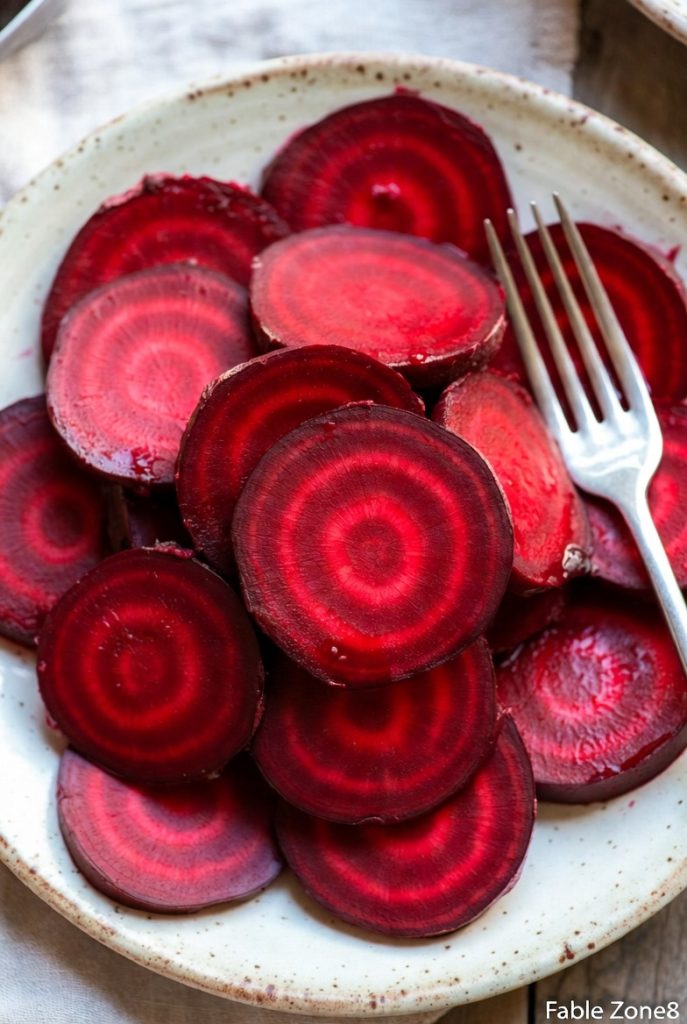
Few vegetables have undergone such a quiet transformation in reputation as beetroot. Once dismissed as a simple, earthy root found in traditional dishes, beets are now recognized by scientists and medical professionals as one of the most physiologically impactful plant foods available. This shift in perception is not driven by trends or marketing hype, but by a growing body of research into the compounds that make beets uniquely powerful. At the center of their benefits lies their exceptionally high concentration of dietary nitrates—naturally occurring compounds that the human body converts into nitric oxide through a fascinating biological process involving oral bacteria and stomach chemistry. Nitric oxide plays a crucial role in vascular health by signaling blood vessels to relax and widen, a process known as vasodilation. This expansion improves circulation throughout the body, allowing oxygen and nutrients to reach tissues more efficiently while reducing the strain on the heart. Cardiologists frequently point to this mechanism when discussing natural strategies for supporting cardiovascular function. People who incorporate beets into their diet often experience modest reductions in blood pressure, improved stamina, and even enhanced mental clarity due to better blood flow to the brain. For athletes, this translates into measurable performance benefits—greater endurance, reduced fatigue, and more efficient oxygen use at the cellular level. For everyday individuals, the effects are subtler but equally valuable: a sense of steady energy, improved focus, and a body that feels more responsive rather than sluggish.
Beyond their influence on circulation, beets are a remarkable source of dietary fiber, which plays a foundational role in digestive health and metabolic stability. A single serving provides a meaningful mix of soluble and insoluble fiber, each contributing differently to overall well-being. Soluble fiber helps regulate the absorption of glucose and fats, slowing digestion and preventing sharp spikes in blood sugar levels. This makes beets a particularly smart addition for individuals managing insulin sensitivity or trying to maintain consistent energy throughout the day. Insoluble fiber, on the other hand, supports regular bowel movements by adding bulk and promoting efficient waste elimination. Together, these fibers contribute to a healthier gut environment, feeding beneficial bacteria that influence not only digestion but also immune function and even mood through the gut-brain connection. Many people who begin eating beets regularly notice improvements in digestion within a relatively short time—less bloating, more regularity, and a general feeling of internal balance. Additionally, fiber helps with satiety, meaning meals that include beets can leave you feeling fuller for longer, reducing the likelihood of overeating or reaching for processed snacks. This makes them a valuable ally for weight management and metabolic health. Unlike refined carbohydrates that provide quick bursts of energy followed by crashes, beets deliver a steady release of fuel, helping stabilize both physical energy and emotional mood over the course of the day.
One of the most visually striking aspects of beets—their deep red and purple color—also signals one of their most powerful health properties. These vibrant hues come from compounds called betalains, which function as potent antioxidants and anti-inflammatory agents. In a world where chronic inflammation is linked to a wide range of health issues, from cardiovascular disease to metabolic disorders, the ability to gently reduce inflammatory stress is incredibly valuable. Betalains help neutralize free radicals—unstable molecules that can damage cells and accelerate aging—while also influencing key inflammatory pathways within the body. This dual action supports overall cellular health and may contribute to long-term disease prevention. The liver, in particular, benefits from these compounds. As the body’s primary detoxification organ, the liver processes everything from environmental toxins to metabolic waste. Beets support this process by enhancing the liver’s natural detox pathways, helping it work more efficiently without the need for extreme or restrictive cleansing regimens. Many individuals report feeling lighter, clearer, and more energized after consistently including beets in their meals—a reflection of reduced internal stress and improved cellular function. Unlike harsh detox trends, beets offer a gentle, sustainable approach that aligns with the body’s natural rhythms rather than disrupting them. Their antioxidant effects also extend to skin health, potentially contributing to a brighter, more even complexion over time as inflammation decreases and circulation improves.
In addition to these specialized compounds, beets are packed with essential vitamins and minerals that support fundamental bodily functions. They are particularly rich in folate, a B-vitamin crucial for DNA synthesis and cell division, making it especially important during periods of growth or pregnancy. Potassium, another key nutrient found in beets, helps regulate fluid balance, nerve signaling, and blood pressure, working in harmony with sodium to maintain cardiovascular stability. Manganese supports metabolic processes and antioxidant defenses, while iron contributes to the production of red blood cells and the transport of oxygen throughout the body. Although plant-based iron is less readily absorbed than animal sources, pairing beets with vitamin C-rich foods can significantly enhance absorption. This combination of nutrients creates a synergistic effect, supporting energy production, cognitive function, and overall resilience. Over time, these benefits may become visible externally as well—healthier skin, stronger hair, and improved vitality. Rather than acting as a quick fix, beets provide foundational support that strengthens the body gradually, reinforcing systems that are often overlooked until they begin to decline. This makes them an ideal addition to a long-term, preventive approach to health.
Despite their many benefits, it’s important to approach beet consumption with balance and awareness. While they are undeniably nutritious, they are not a cure-all, and excessive intake—particularly in the form of concentrated juices—can have drawbacks. Without the fiber found in whole beets, juice can lead to quicker spikes in blood sugar, especially when consumed in large amounts. Some individuals may also notice a harmless side effect known as beeturia, where urine or stool takes on a reddish hue after eating beets. This is completely normal and simply reflects the presence of betalain pigments. However, people prone to kidney stones should moderate their intake due to the presence of oxalates, compounds that can contribute to stone formation in susceptible individuals. Additionally, those taking medication for blood pressure should consult a healthcare professional before significantly increasing their beet consumption, as the natural blood pressure–lowering effects could amplify medication results. These considerations don’t diminish the value of beets—they simply highlight the importance of integrating them thoughtfully into a balanced diet rather than relying on them excessively or in isolation.
Ultimately, the true power of beets lies not in dramatic transformations but in consistent, cumulative benefits that build over time. Incorporating them into everyday meals—whether roasted, steamed, grated raw into salads, or blended into smoothies—allows their nutrients to work in harmony with the rest of your diet. Their natural sweetness and versatility make them easy to include in a variety of dishes, from savory meals to creative snacks. As part of a whole-food, plant-rich eating pattern, beets contribute to improved circulation, better digestion, reduced inflammation, and enhanced overall vitality. The “beetroot upgrade” is not about quick results or extreme changes; it’s about supporting the body’s natural processes in a steady, sustainable way. Over weeks and months, these small additions can lead to noticeable improvements in energy, focus, and well-being. In a world often driven by instant results, beets offer a refreshing reminder that real health is built gradually—through simple, consistent choices that nourish the body at its core.