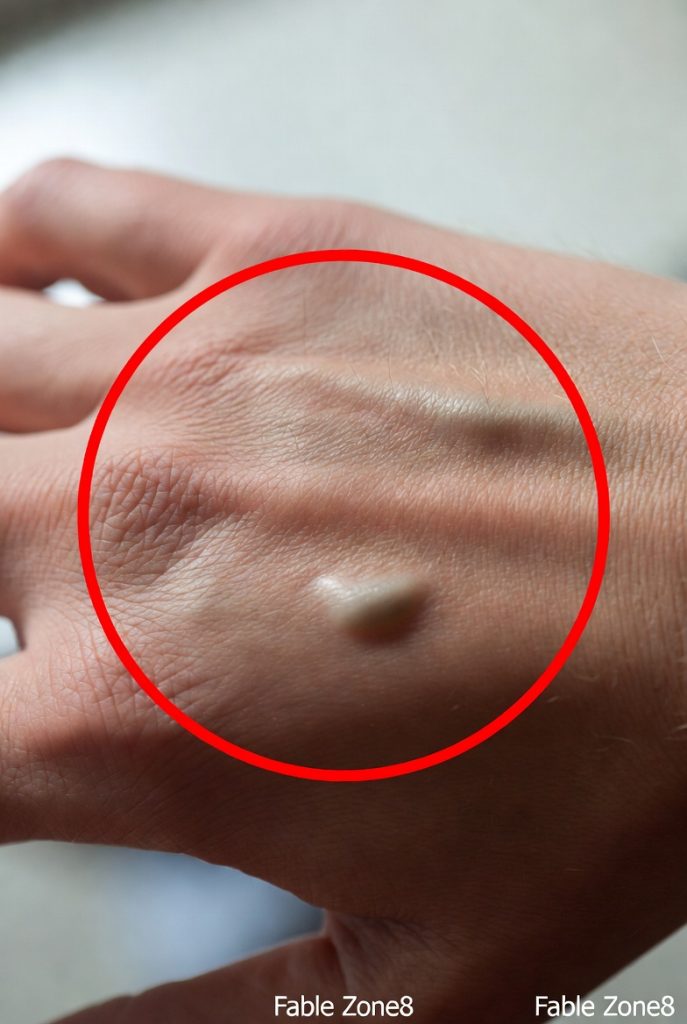
Visible veins—often called vascularity—are one of the most noticeable physical traits people associate with fitness, strength, and a lean physique. Whether seen on the arms of athletes, across the shoulders of bodybuilders, or even subtly on the hands and legs of everyday individuals, these prominent veins tend to draw attention. For many, they symbolize discipline, low body fat, and consistent training. But while visible veins can indeed reflect certain aspects of physical condition, they are far from a simple or universal indicator of health. In reality, vascularity is influenced by a combination of factors including body composition, genetics, age, hydration, hormones, and even environmental conditions. Some people naturally have more visible veins regardless of fitness level, while others may train intensely without ever achieving that “vascular” look. Understanding what visible veins truly mean requires looking beyond surface appearances and exploring the biological and lifestyle elements that contribute to them. Rather than serving as a definitive marker of peak health, visible veins are better understood as one piece of a much larger physiological puzzle—one that reflects how the body stores fat, builds muscle, circulates blood, and adapts to internal and external changes over time.
One of the primary reasons veins become visible is a lower level of subcutaneous fat—the layer of fat just beneath the skin. This fat normally acts as a barrier that obscures the veins underneath. When body fat decreases, especially through diet and exercise, this layer thins out, making veins more noticeable. This is why individuals with lower body fat percentages—such as athletes or fitness enthusiasts—tend to display more vascularity. For men, visible veins often appear more prominently when body fat drops into the range of roughly 8–12%, while for women it may occur around 15–20%, though these numbers vary widely. Muscle development also plays a significant role. As muscles grow through resistance training, they push against the skin and surrounding tissues, bringing veins closer to the surface. Increased blood flow during and after exercise causes veins to expand temporarily—a process known as vasodilation—which enhances their visibility even further. This is commonly referred to as a “pump” in gym culture. Cardiovascular fitness contributes as well, as improved circulation supports more efficient blood flow and vascular function. However, it’s important to note that these factors do not act in isolation. A person can have low body fat but still lack visible veins due to thicker skin or deeper vein placement, while another individual may appear highly vascular with moderate body fat simply because of favorable genetics.
Genetics are perhaps the most underestimated factor when it comes to visible veins. Some individuals are simply born with a vascular structure that lies closer to the skin’s surface, making veins easier to see. Others may have thinner skin or less connective tissue, which naturally enhances vein visibility. Skin tone and thickness also matter—lighter or thinner skin tends to reveal veins more easily than thicker or more pigmented skin. Age further amplifies these effects. As people get older, the skin gradually loses collagen and elasticity, becoming thinner and more translucent. At the same time, subcutaneous fat may decrease in certain areas, especially in the hands and arms. This combination makes veins appear more prominent, even in individuals who are not particularly lean or muscular. Hormones also play a role. Higher levels of testosterone, for example, can contribute to increased muscle mass and lower body fat, both of which enhance vascularity. This is one reason why visible veins are often more pronounced in men than in women. However, women may experience temporary increases in vein visibility during pregnancy or certain phases of the menstrual cycle due to changes in blood volume and hormone levels. All of these factors highlight an important truth: visible veins are not solely earned through effort—they are also heavily influenced by biological traits that vary from person to person.
While visible veins are often viewed positively in fitness culture, they are not always a sign of optimal health. In some cases, increased vascularity can result from temporary or less desirable conditions. Dehydration, for instance, reduces the amount of fluid in the body’s tissues, making veins appear more pronounced. This effect is sometimes intentionally induced by athletes or bodybuilders before competitions to achieve a sharper, more defined look. However, dehydration can impair performance, strain the cardiovascular system, and negatively affect overall health. Temperature is another factor—heat causes blood vessels to expand, increasing vein visibility, while cold causes them to constrict. Certain supplements, such as nitric oxide boosters, can also enhance vascularity by promoting vasodilation, though their effects are usually temporary. On the medical side, visible veins can sometimes indicate underlying issues. Conditions like varicose veins involve enlarged, twisted veins caused by weakened valves, often leading to discomfort, swelling, or aching. More serious concerns, such as poor circulation or blood clots, may also present with changes in vein appearance, particularly if accompanied by pain, redness, or asymmetry. Therefore, while visible veins can be a normal and even desirable trait, sudden or unusual changes should not be ignored. Paying attention to the context in which vascularity appears is key to distinguishing between healthy adaptation and potential warning signs.
Culturally, visible veins have taken on a symbolic meaning that extends far beyond biology. In modern fitness and social media environments, vascularity is often portrayed as the ultimate sign of being “in shape.” Images of highly vascular physiques dominate platforms like Instagram and fitness forums, reinforcing the idea that more visible veins equate to better results. This perception can be motivating for some, encouraging consistent training and healthy habits. However, it can also create unrealistic expectations. Many of the images people see represent peak conditions achieved through temporary measures such as dehydration, strategic lighting, and post-workout “pumps.” In some cases, performance-enhancing substances are also involved, further distorting what is naturally achievable. This can lead to frustration or even unhealthy behaviors among individuals who strive to replicate those appearances. Psychologically, visible veins can become a form of validation—a visual cue that efforts in the gym are paying off. But when taken to extremes, the pursuit of vascularity can overshadow more important aspects of health, such as strength, endurance, mental well-being, and long-term sustainability. A balanced perspective is essential. Rather than treating visible veins as the ultimate goal, they should be viewed as a possible byproduct of a healthy lifestyle—one that may or may not appear depending on individual differences.
From a practical standpoint, those who wish to enhance vein visibility in a healthy way should focus on sustainable habits rather than shortcuts. Reducing body fat through a moderate calorie deficit, engaging in regular resistance training, and incorporating cardiovascular exercise are the most effective strategies. Adequate hydration is crucial—not only for overall health but also for maintaining proper blood volume and circulation. Nutrition should prioritize whole foods, sufficient protein intake, and balanced macronutrients to support muscle growth and recovery. Consistency is key; visible veins typically develop gradually as the body adapts to long-term lifestyle changes. It’s also important to recognize limits. Not everyone will achieve extreme vascularity, and that’s perfectly normal. Monitoring overall health through regular check-ups, paying attention to how the body feels, and avoiding extreme practices like severe dehydration or crash dieting will ensure that progress remains safe and sustainable. For those who notice unusual vein changes—such as swelling, pain, or discoloration—consulting a medical professional is always the best course of action. Ultimately, visible veins can be a satisfying visual marker of progress, but they should never come at the expense of health. True fitness is measured not just by appearance, but by how well the body functions, performs, and endures over time.