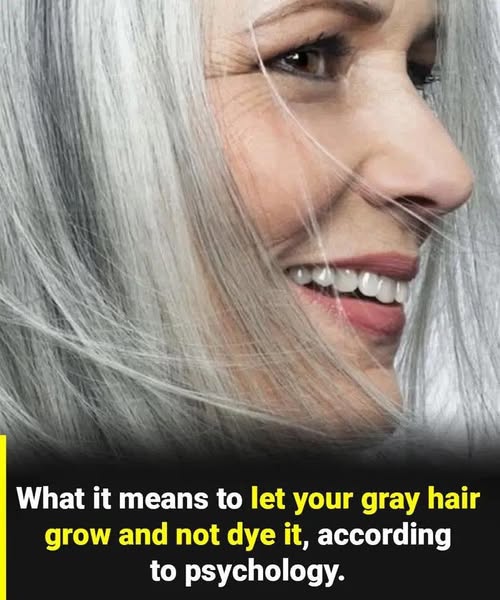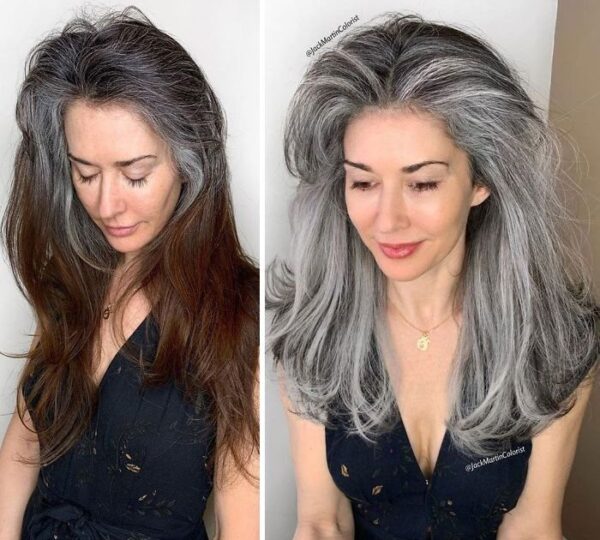
Choosing to embrace gray hair naturally is no longer a quiet or purely practical decision; it has become a deeply meaningful psychological and cultural statement. In contemporary society, where youthfulness is relentlessly marketed as the ultimate measure of beauty, relevance, and vitality, allowing gray hair to show represents a conscious departure from long-standing expectations. What was once framed almost exclusively as a sign of decline is now increasingly understood as a reflection of confidence, self-awareness, and emotional alignment. Gray hair tells a story of time lived rather than time lost, signaling a willingness to stand visibly in one’s truth without apology or disguise. For many, this choice marks a turning point—a moment when external validation begins to matter less than internal coherence, and when appearance becomes an extension of identity rather than a mask designed to meet societal approval.
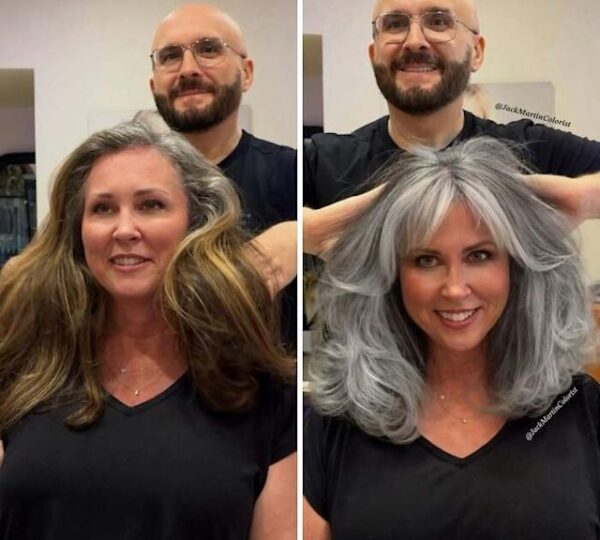
Historically, gray hair has carried layered and often contradictory meanings. In ancient and traditional societies, it was frequently associated with wisdom, authority, and moral depth. Elders were revered as keepers of knowledge, and silver hair symbolized experience earned through years of observation, responsibility, and survival. Philosophers, spiritual leaders, and statesmen were often depicted with gray or white hair to emphasize gravitas and insight. Yet as modern consumer culture emerged, particularly in the twentieth century, this reverence gave way to a new obsession with youth. Advertising, entertainment, and corporate norms increasingly framed aging as something to resist, correct, or conceal. Gray hair became a visual reminder of time passing in a culture that equated value with novelty, speed, and physical vitality. Women were disproportionately affected by this shift, as beauty standards narrowed and youthfulness became inseparable from femininity and desirability, while men, though slightly less scrutinized, also faced growing pressure to appear perpetually energetic and competitive.
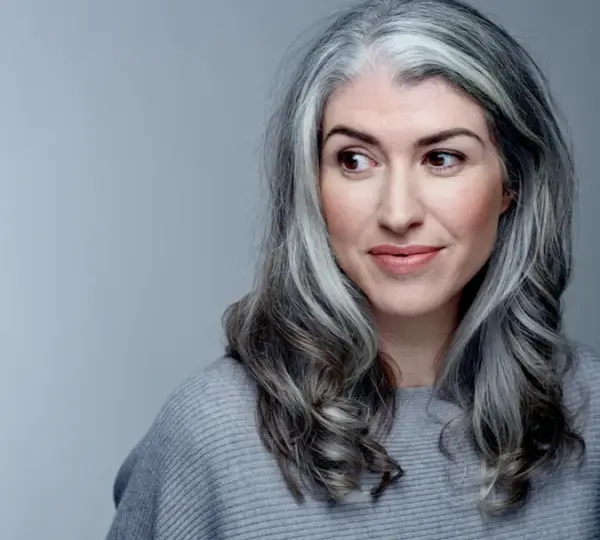
In recent years, however, cultural attitudes have begun to shift. Gray hair is gradually being reclaimed as a symbol of authenticity rather than loss, and this transformation reflects a broader reevaluation of identity and self-worth. Public figures, artists, and everyday individuals have helped normalize natural aging by openly embracing their gray hair, sparking conversations about beauty, honesty, and self-acceptance. This change is not simply aesthetic; it reflects a psychological realignment in which personal truth takes precedence over conformity. Allowing gray hair to grow is rarely about rebellion for its own sake. Instead, it often represents a quiet assertion of autonomy—a decision to stop negotiating one’s appearance based on fear of judgment or invisibility. In this sense, gray hair becomes a visible declaration that worth is inherent, not conditional upon meeting unrealistic or artificial standards.
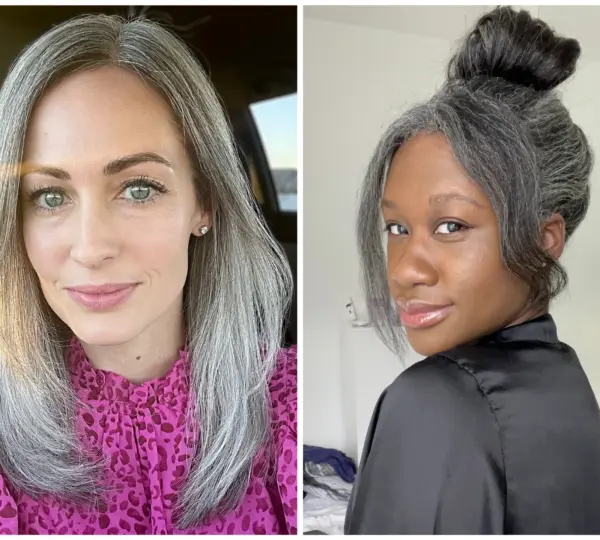
From a psychological perspective, the decision to stop dyeing hair can be profound. Hair is one of the most visible aspects of self-presentation, closely tied to identity, age perception, and social interpretation. Choosing to reveal gray hair often requires confronting deeply ingrained beliefs about attractiveness, relevance, and acceptance. Many individuals discover that their resistance to gray hair was less about color and more about anxiety—fear of being dismissed, overlooked, or perceived as less capable. Embracing gray hair can therefore function as a form of self-affirmation, signaling emotional maturity and a growing alignment between inner values and outward expression. For women especially, this shift can feel liberating, releasing them from the exhausting cycle of maintenance and the unspoken demand to appear forever youthful. For men, it can similarly affirm confidence and self-respect, decoupling identity from productivity or physical vigor. Across genders, gray hair often marks a transition from self-surveillance to self-compassion.
This evolving perspective is also part of a broader cultural movement challenging ageism and restrictive beauty norms. Media and fashion industries, once major enforcers of youth-centric ideals, are slowly expanding their representations to include older individuals portrayed as stylish, vibrant, and compelling. Campaigns increasingly celebrate maturity, depth, and individuality, reinforcing the idea that attractiveness does not expire with age. Social communities formed around embracing gray hair have further accelerated this shift, offering solidarity and reframing the narrative around aging as one of growth rather than decline. The beauty industry’s response—developing products designed to enhance natural gray tones rather than conceal them—signals a growing acknowledgment that gray hair is not a flaw but a feature worthy of care and appreciation.
Beyond symbolism and psychology, embracing gray hair also offers tangible benefits that reinforce its appeal. Letting go of regular dye routines reduces financial cost, time investment, and exposure to chemicals, often bringing a sense of relief and simplicity. Many people report feeling lighter, less burdened, and more authentic once they stop managing their appearance around concealment. Gray hair can also inspire a renewed relationship with personal style, encouraging attention to cut, texture, and overall health rather than color correction. More importantly, it often coincides with life transitions—career changes, personal reinvention, or periods of reflection—serving as a visual marker of acceptance and resilience. Ultimately, gray hair becomes a symbol of emotional freedom, representing a release from shame and an embrace of reality. It stands as a reminder that aging is not a failure to be corrected but a privilege to be honored, and that authenticity, not youth, is the truest expression of beauty and self-worth.