A single video, filmed quietly over several days and uploaded without fanfare, has ignited a national controversy that now reaches from Minnesota’s local neighborhoods to federal agencies in Washington. The footage, published by independent content creator Nick Shirley in December 2025, documents visits to nearly a dozen licensed childcare centers across Minneapolis that appeared inactive during daytime hours. Locked doors, empty parking lots, darkened windows, and faded signage painted a troubling picture for viewers, many of whom interpreted the scenes as evidence of widespread misuse of taxpayer-funded childcare assistance. As the video spread rapidly across social media platforms, it sparked intense debate about government oversight, fraud prevention, and the reliability of viral evidence in shaping public opinion.
The video’s most striking moments focused on buildings clearly marked as childcare centers yet seemingly devoid of children, staff, or activity. One location in particular drew outsized attention after viewers noticed a sign reading “Quality Learing Center,” misspelling “learning,” which critics seized upon as symbolic of deeper problems. Shirley claimed that this facility alone had received approximately $1.9 million through Minnesota’s Child Care Assistance Program, a claim that fueled outrage and suspicion among viewers already inclined to distrust government spending. Clips from the video were widely shared, often stripped of context, and commentary quickly escalated from questions about oversight to accusations of deliberate fraud. High-profile figures amplified the narrative, including Elon Musk, who publicly called for prosecutions, further propelling the story into the national spotlight.
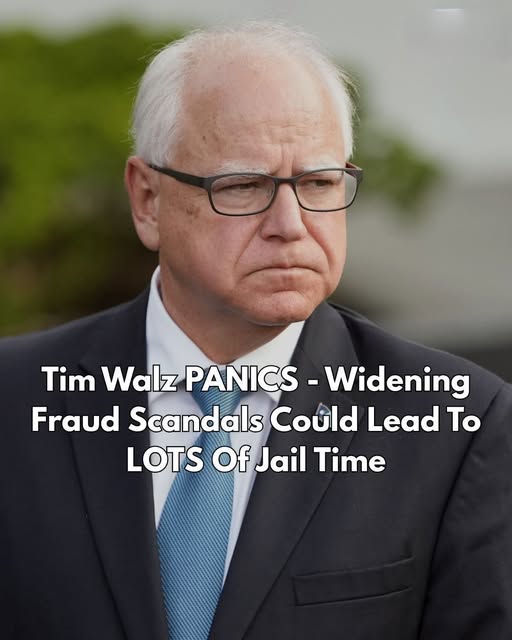
State officials responded cautiously as pressure mounted. The Minnesota Department of Children, Youth, and Families acknowledged public concern and confirmed that inspections had been conducted at the facilities featured in the video. According to the department, no immediate evidence of large-scale fraud had been uncovered, though officials emphasized that reviews were ongoing and that oversight processes were being intensified. Governor Tim Walz found himself at the center of the storm, balancing assurances of accountability with warnings against premature conclusions. Walz highlighted existing fraud prevention measures and noted that childcare centers are often reimbursed retroactively, meaning visible inactivity at a given moment does not necessarily reflect misuse of funds. Still, critics argued that the optics alone pointed to systemic weaknesses that demanded urgent reform.
The controversy escalated further when federal authorities stepped in. The U.S. Department of Health and Human Services announced a temporary freeze on certain federal CCAP funds allocated to Minnesota until the state could verify proper use and compliance. In addition, new nationwide reporting requirements for childcare funding were introduced, signaling that the issue had moved beyond state borders. Federal investigators, including the Department of Homeland Security and the FBI, expanded their scrutiny in Minnesota, examining whether isolated violations might point to broader patterns. This intervention transformed what began as a local investigation into a national test case for how childcare assistance programs are monitored and enforced across the country.
As investigations progressed, a more complex picture began to emerge. Journalistic follow-ups and official inspection reports indicated that most of the facilities highlighted in the video were licensed, operational, and subject to regular oversight. While inspectors did note minor violations at some locations—such as cleanliness issues, paperwork discrepancies, or staffing documentation—these findings fell far short of the dramatic fraud allegations circulating online. Media outlets cautioned that viral videos, by their nature, can exaggerate perceptions by capturing isolated moments without broader context. Childcare centers may close temporarily, operate on flexible schedules, or serve children off-site, factors not always visible to a passerby with a camera. This gap between visual impression and documented reality became a central theme in the evolving debate.
The political fallout has been swift and sharp. Republican leaders in Minnesota and beyond have seized on the controversy to demand unannounced inspections, tighter controls, and greater transparency in public assistance programs. At the same time, civil rights advocates and community leaders warned against targeting specific groups, noting that many of the childcare providers under scrutiny belong to Minnesota’s Somali community. Reports of harassment and online threats against providers raised concerns that the controversy was fueling profiling and intimidation rather than constructive reform. As audits continue and potential prosecutions remain uncertain, the episode has become a broader referendum on public trust. Whether the outcome reinforces confidence in oversight systems or deepens skepticism about government programs may shape policy debates far beyond Minnesota, illustrating how a single viral video can reverberate through politics, institutions, and communities nationwide.