The Hidden Truth About Your Meat: What Supermarkets Don’t Always Tell You
Walk into any supermarket and the meat section looks reassuring—bright red cuts, clean packaging, labels promising “fresh,” “natural,” or “premium.” But that polished presentation can hide a far more complex reality. The difference between mass-produced beef and genuinely farm-raised meat isn’t just about taste—it touches your health, the environment, and the entire food system.
Before assuming all beef is the same, it’s worth looking closer at what really separates industrial production from small-scale farming.
The Reality Behind “Fresh” Meat
One of the biggest misconceptions is that supermarket beef is always freshly prepared.
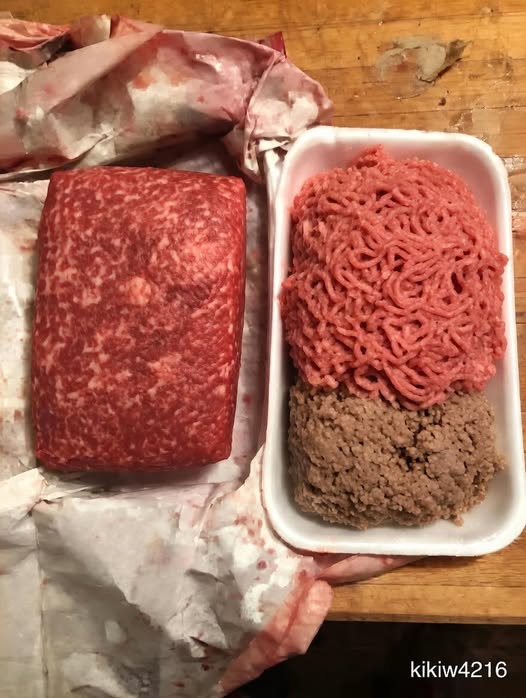
In many cases, meat is processed, packaged, and transported through long supply chains before reaching shelves. To maintain that appealing red color, some producers use modified-atmosphere packaging, which can include gases that slow discoloration. The result? Meat that looks fresh, even if it has been stored for an extended period.
By contrast, locally sourced or farm-raised beef is often processed closer to where it’s sold, meaning less time in transit and fewer preservation steps. That difference can influence both flavor and texture.
Industrial vs. Farm-Raised: What’s the Difference?
Much supermarket beef comes from large-scale operations often referred to as Concentrated Animal Feeding Operations.
These systems are designed for efficiency:
- High production volume
- Faster growth cycles
- Lower cost per unit
But efficiency can come with trade-offs. Animals are typically raised in confined conditions and fed high-energy diets (like corn and soy) to accelerate weight gain.
Farm-raised beef—especially from smaller or local producers—often involves:
- More space and natural movement
- Pasture-based feeding (grass-fed or mixed diets)
- Slower, more natural growth
This difference in environment and diet directly affects the meat itself.
Does It Really Affect Nutrition?
Yes—but it’s important to keep expectations realistic.
Some studies suggest that grass-fed beef can contain:
- Higher levels of omega-3 fatty acids
- More conjugated linoleic acid (CLA)
- Slightly higher antioxidant content
However, these differences vary widely depending on farming practices, breed, and finishing methods. While farm-raised beef may offer nutritional advantages, both types can still be part of a balanced diet.
So the choice isn’t simply “healthy vs. unhealthy”—it’s about degrees and priorities.
Transparency: Knowing What You’re Buying
One major advantage of buying from local farms or trusted butchers is traceability.
You’re more likely to know:
- Where the animal was raised
- What it was fed
- How it was handled
Supermarket supply chains, by contrast, can involve multiple sources. Ground beef, for example, may come from several animals processed in different locations.
That doesn’t automatically mean it’s unsafe—but it does make transparency harder.
Environmental Impact: A Complex Picture
Industrial beef production is often criticized for its environmental footprint, including:
- Greenhouse gas emissions
- High water usage
- Waste concentration
Some smaller farms use practices like rotational grazing, which can support soil health and reduce environmental strain. But it’s worth noting that not all “farm-raised” systems are equally sustainable—methods vary widely.
The takeaway: sustainability depends more on how beef is produced than simply where it’s sold.
Animal Welfare Considerations
For many people, ethical treatment of animals is a key factor.
Large-scale systems prioritize efficiency, which can limit space and natural behavior. Smaller farms often provide more open environments and lower-stress handling—but again, practices differ.
If this matters to you, look for verified certifications rather than relying on general terms.
The Problem With Marketing Labels
Not all labels mean what they sound like.
Terms like:
- “Natural”
- “Farm fresh”
- “Premium”
…are often loosely defined and can be used for marketing rather than meaningful distinction.
More reliable indicators include certifications or clearly defined claims like “100% grass-fed” or third-party animal welfare standards.
Is Cheaper Meat Really Cheaper?
Lower prices at supermarkets reflect large-scale efficiency—but they don’t always capture broader costs, such as environmental impact or long supply chains.
On the other hand, farm-raised beef often costs more upfront because:
- Production is smaller scale
- Animals are raised longer
- Labor and land use are higher
Whether it’s “worth it” depends on your priorities—budget, values, taste, or sourcing transparency.
How to Make Better Choices
If you want more control over what you’re buying, consider:
- Asking your butcher about sourcing
- Shopping at local markets when possible
- Looking for verified labels, not just appealing words
- Trying different sources and comparing taste and quality
You don’t have to overhaul everything—small, informed choices still make a difference.
The Bigger Picture
The conversation around beef isn’t just about one “right” choice. It’s about awareness.
Supermarket meat isn’t automatically bad, and farm-raised meat isn’t automatically perfect. But understanding how each system works helps you decide what matters most to you—whether that’s cost, quality, sustainability, or ethics.
Final Thought
The next time you’re standing in front of a neatly packaged cut of beef, remember: appearance doesn’t tell the whole story.
The real difference lies in how that meat was raised, handled, and brought to your plate.
And once you start asking those questions, you’re no longer just buying food—you’re making a more informed choice about the kind of system you support.