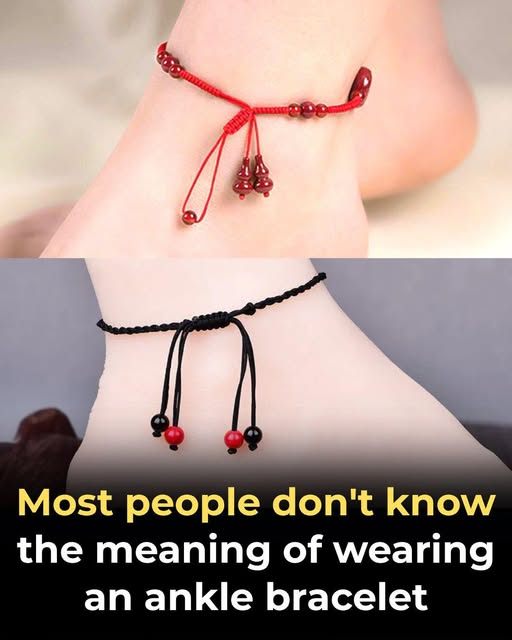
Lightweight, graceful, and quietly captivating, ankle bracelets—often called anklets—have adorned human bodies for thousands of years. What may appear today as a simple fashion accessory actually carries a rich and layered history shaped by culture, tradition, symbolism, and identity. From ancient civilizations to modern street style, the anklet has remained a constant yet evolving expression of beauty and meaning.
Unlike more prominent jewelry pieces such as necklaces or rings, anklets occupy a unique space. They are subtle yet noticeable, delicate yet expressive. Their placement on the ankle draws attention to movement, posture, and grace, making them one of the most understated yet powerful accessories in fashion history.
Ancient Beginnings: More Than Decoration
The story of anklets begins in ancient civilizations, where they were far more than ornamental. In ancient Egypt, anklets were worn by women across different social classes, but their materials and designs often reflected status. Wealthy women adorned themselves with gold anklets embedded with precious stones, while those from lower classes wore simpler versions made from leather or beads.
Beyond aesthetics, anklets in Egypt were believed to serve protective purposes. Many were crafted with small charms or amulets that symbolized luck, protection, and spiritual safety. Some anklets even included tiny bells or dangling pieces that created soft sounds when walking. These sounds were thought to ward off negative energy and, in some cases, even insects.
In this context, anklets were deeply intertwined with daily life, spirituality, and survival. They were not just accessories but companions that symbolized both beauty and protection.
Cultural Depth in South Asia
In South Asia, particularly in India, anklets hold profound cultural and symbolic significance. Known as payal, they are an essential part of traditional jewelry and are often associated with femininity, grace, and marital status.
Traditionally made of silver rather than gold—since gold is considered sacred and reserved for the upper body—payal are worn by women during important life events, especially weddings. Brides often wear intricately designed anklets that produce a gentle ringing sound as they walk. This sound is not merely decorative; it symbolizes presence, joy, and the arrival of happiness into a household.
In many traditions, the sound of anklets also carried social meaning. It was considered a respectful way to announce one’s presence, especially in shared family homes. The soft chime signaled movement without the need for speech, blending etiquette with elegance.
Anklets in this cultural context represent more than beauty. They embody tradition, respect, identity, and the rhythm of everyday life.
Middle Eastern and Roman Interpretations
Anklets also appeared in ancient Middle Eastern cultures, where they were often associated with wealth and social standing. Women from affluent families wore elaborately designed anklets made from precious metals and adorned with gemstones. In some cases, the number and style of anklets could indicate a family’s economic position.
Similarly, in ancient Rome, anklets were symbols of status and luxury. While not as universally worn as in other regions, they were still present among the elite as decorative items that showcased wealth and refinement.
In both regions, anklets served as visual markers—silent indicators of identity, class, and societal roles. They were not merely personal adornments but social statements.
Symbolism and Misinterpretations
Throughout history, anklets have also carried various symbolic meanings depending on the region and era. In some cultures, they were linked to relationships or marital status, while in others, they were simply expressions of wealth or beauty.
However, like many cultural symbols, anklets have occasionally been misunderstood or misinterpreted when viewed outside their original context. Certain myths or assumptions about anklets—particularly regarding which ankle they are worn on—have circulated over time, but these ideas are not universally grounded in historical fact.
In reality, the meaning of an anklet has always depended heavily on cultural context rather than fixed global rules.
Transition Into Modern Fashion
As societies evolved and global influences merged, the anklet gradually transitioned from a culturally specific symbol into a widely embraced fashion accessory. Today, anklets are worn across the world by people of all backgrounds, largely for aesthetic and personal expression rather than traditional meaning.
Modern fashion has redefined the anklet as a versatile accessory that complements a wide range of styles. Whether paired with sandals on a beach, heels at an evening event, or sneakers in a casual outfit, anklets add a touch of individuality and charm.
Unlike in the past, where materials and designs were often tied to cultural rules, contemporary anklets come in endless variations. Gold, silver, stainless steel, beads, shells, pearls, leather cords, and colorful threads all offer different ways to express personality.
This evolution reflects a broader shift in fashion—from tradition-bound symbolism to personal storytelling.
A Symbol of Individuality
One of the most compelling aspects of anklets today is their role in self-expression. In a world where fashion often serves as a language, anklets provide a subtle yet meaningful way to communicate identity.
Some people choose minimalist designs to reflect simplicity and elegance, while others opt for bold, layered anklets that showcase creativity and confidence. Charm anklets, featuring small pendants like hearts, stars, or initials, allow wearers to carry personal meaning wherever they go.
For many, anklets represent freedom—the freedom to choose, to express, and to redefine tradition on their own terms.
The Question of Which Ankle
A common question surrounding anklets is whether it matters which ankle they are worn on. Historically, certain cultures may have assigned specific meanings to the left or right ankle, but these interpretations were localized and not universally applied.
In modern fashion, there is no fixed rule. The choice of ankle is entirely personal, often influenced by comfort, style preferences, or even practical considerations such as footwear.
This flexibility is part of what makes anklets so appealing today. They are free from rigid expectations, allowing wearers to define their own meaning.
Seasonal and Style Influence
Anklets are especially popular during warmer months, when clothing naturally reveals more of the ankle. Summer fashion, with its emphasis on light fabrics and open footwear, provides the perfect canvas for anklets to shine.
Beachwear often incorporates shell or bead anklets, reflecting a relaxed, coastal aesthetic. In contrast, fine gold or silver anklets can elevate evening outfits, adding a refined and elegant touch.
Layering multiple anklets has also become a trend, creating a dynamic look that blends textures and materials. This approach allows for endless combinations, making the anklet one of the most adaptable accessories in modern wardrobes.
Gender and Changing Norms
While anklets have traditionally been associated with women in many cultures, modern fashion has challenged these boundaries. Today, anklets are increasingly worn by men as well, particularly in casual and beach settings.
This shift reflects a broader movement toward gender-neutral fashion, where accessories are no longer confined by traditional expectations. Anklets, once deeply tied to specific roles and meanings, are now part of a more inclusive and expressive fashion landscape.
Emotional and Personal Meaning
Beyond style, anklets often carry personal significance for those who wear them. They can serve as reminders of special moments, gifts from loved ones, or symbols of personal milestones.
A simple anklet might represent a memory of travel, a meaningful relationship, or a period of growth. In this sense, anklets continue to hold symbolic value, even in a modern context.
Their quiet presence makes them deeply personal—visible enough to be appreciated, yet subtle enough to remain intimate.
The Enduring Appeal
What makes anklets truly remarkable is their ability to adapt while retaining their essence. Across centuries and cultures, they have transformed in meaning, design, and purpose, yet they continue to captivate.
Their appeal lies in their balance: they are both decorative and meaningful, traditional and modern, subtle and expressive. Few accessories manage to bridge these contrasts so effortlessly.
Conclusion
The ankle bracelet is far more than a simple piece of jewelry. It is a thread that connects history, culture, and personal expression across time. From ancient Egyptian protection charms to Indian wedding traditions and modern fashion statements, anklets have carried stories that reflect the diversity of human experience.
Today, they stand as symbols of individuality and freedom, allowing each wearer to define their own meaning. Whether chosen for style, sentiment, or tradition, anklets continue to embody elegance in its most understated form.
In a world where trends come and go, the anklet remains timeless—quietly reminding us that even the smallest details can hold the deepest significance.