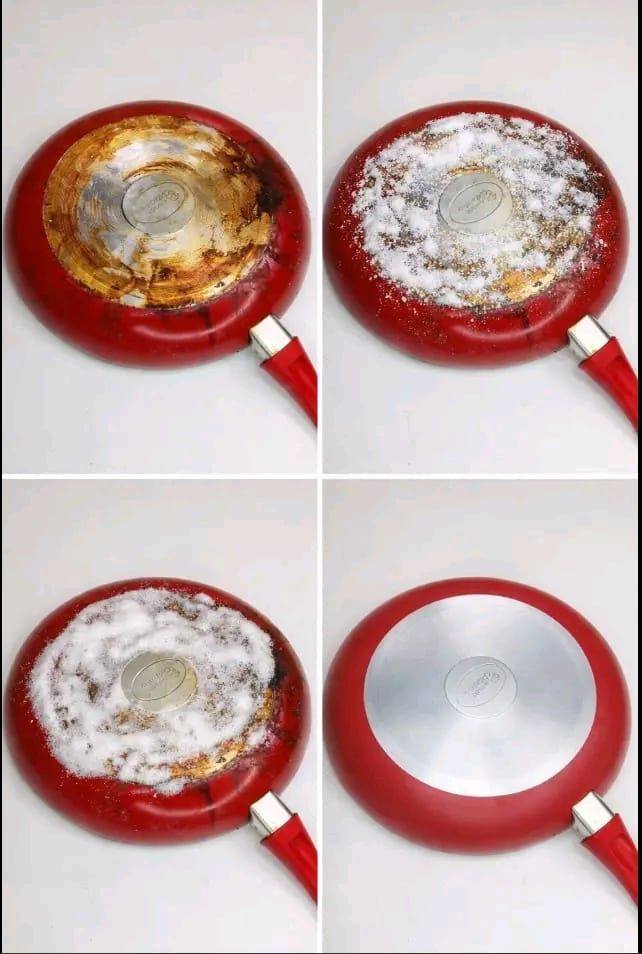
Keeping pots and pans clean is one of those everyday kitchen tasks that can quietly become frustrating over time. What begins as a simple rinse after cooking can quickly evolve into a battle against stubborn grease, burnt-on residue, and chalky limescale buildup. These issues not only affect how your cookware looks, but also how it performs and how hygienic it remains. While many people instinctively reach for strong chemical detergents, there is a growing appreciation for natural, simple, and cost-effective cleaning methods that work just as well—if not better—without the downsides.
Understanding why stains and limescale form is the first step in dealing with them effectively. Grease accumulates from oils and fats used in cooking, especially when exposed to high heat. Burnt residue often forms when food sticks and carbonizes at the bottom of a pan, creating a tough layer that seems impossible to remove. Limescale, on the other hand, is caused by mineral deposits left behind when water evaporates, especially in areas with hard water. Over time, these deposits can form a white or cloudy film that dulls the appearance of your cookware.
The problem with leaving these residues untreated is that they become progressively harder to remove. Burnt layers thicken, grease turns sticky and rancid, and limescale hardens into a crust. Beyond appearance, this buildup can harbor bacteria and even affect the taste and safety of food. Moreover, aggressive scrubbing or using harsh chemicals can damage the surface of your pots and pans, reducing their lifespan.
This is where natural cleaning solutions come into play. They rely on basic chemical reactions—often involving mild acids or alkaline substances—to break down grime safely and effectively. One of the most popular combinations is baking soda and vinegar. Baking soda is mildly alkaline, which helps dissolve grease and organic material, while vinegar is acidic and excellent for breaking down mineral deposits like limescale.
To use this method, start by pouring a layer of vinegar into the affected pan. Heat it gently until it begins to simmer—this helps loosen stubborn residues. Once you remove the pan from the heat, add a couple of tablespoons of baking soda. The mixture will fizz immediately, and this reaction is what helps lift grime from the surface. Let it sit for a few hours, allowing the ingredients to work their way into the buildup. Afterward, use a soft sponge to scrub gently. You’ll often find that what once seemed impossible to remove now comes off with minimal effort.
Another highly effective natural cleaner is citric acid. Found naturally in citrus fruits, it is a stronger acid than vinegar and particularly useful for dealing with heavy limescale. To prepare a cleaning solution, dissolve about 150 grams of citric acid in one liter of hot water. Pour this mixture into the pan and let it sit for several hours or overnight. The acid gradually breaks down mineral deposits, making them easy to wipe away.
However, it’s important to use citric acid carefully. While it is safe for most metal cookware, it can damage natural stone surfaces like marble or granite if spilled. Always rinse thoroughly and avoid using it on delicate materials that may react to acids.
Lemon is another versatile and pleasantly scented alternative. Its natural acidity makes it an excellent degreaser, while its fresh aroma leaves your kitchen smelling clean. You can squeeze lemon juice directly into a pan with some water and bring it to a boil. This helps loosen grease and burnt food particles. For tougher stains, adding coarse salt provides a gentle abrasive effect, enhancing the cleaning power without scratching the surface excessively.
Interestingly, even the lemon peel can be useful. The zest contains essential oils that help break down grease and add an extra boost to the cleaning process. After boiling the mixture and allowing it to cool, a quick scrub is usually all that’s needed to restore the pan’s cleanliness.
Marseille soap offers yet another traditional solution. Known for its natural composition and mildness, it works particularly well for general cleaning and maintaining cookware. By filling a pan with water, adding a small amount of Marseille soap, and bringing it to a boil, you create a solution that softens grease and loosens residue. The heat plays a crucial role, helping the soap penetrate stubborn grime. Once cooled, the remaining dirt can be easily wiped away with a sponge.
One of the greatest advantages of these natural methods is their accessibility. Most households already have ingredients like baking soda, vinegar, or lemon on hand. This eliminates the need for specialized cleaning products and reduces overall costs. Additionally, these methods are environmentally friendly. They avoid introducing harsh chemicals into wastewater systems and reduce exposure to substances that can irritate skin or produce strong fumes.
Another benefit is that natural cleaning methods are generally safer for cookware. Many modern pans have non-stick coatings that can be damaged by abrasive cleaners or harsh chemicals. Using gentle, natural solutions helps preserve these surfaces, ensuring that your cookware remains functional and effective for longer.
Of course, prevention is just as important as cleaning. Developing a habit of rinsing and lightly cleaning pans soon after use can prevent buildup from forming in the first place. Avoid letting food residues sit for extended periods, especially overnight, as they become harder to remove. Using appropriate cooking temperatures and enough oil can also minimize sticking and burning.
It’s also worth noting that different materials require slightly different care. Stainless steel, cast iron, and non-stick pans each have unique properties. While natural cleaning methods are generally safe, it’s always wise to adjust your approach depending on the material. For example, cast iron should not be soaked for long periods, as it can rust, and should be dried thoroughly after cleaning.
Patience is another key factor. Natural methods may not always deliver instant results, especially for heavily stained cookware. Allowing time for solutions to soak and react is essential. The trade-off is that you achieve effective cleaning without damaging your cookware or exposing yourself to harsh substances.
In many ways, returning to these simple, traditional cleaning methods is a step toward a more mindful and sustainable lifestyle. Instead of relying on convenience products, you use basic ingredients and a bit of time to achieve the same—or even better—results. There’s also a certain satisfaction in restoring a heavily stained pan to its original shine using nothing more than common household items.
Over time, these practices can transform how you approach kitchen maintenance. Cleaning becomes less of a chore and more of a routine that feels manageable and even rewarding. Your cookware lasts longer, your kitchen remains fresher, and you gain confidence in handling even the toughest cleaning challenges.
In conclusion, removing limescale, grease, and burnt stains from pots and pans doesn’t require expensive or harsh chemical cleaners. With simple ingredients like baking soda, vinegar, citric acid, lemon, and natural soap, you can achieve impressive results safely and effectively. These methods not only clean thoroughly but also protect your cookware, support environmental sustainability, and make everyday kitchen tasks easier to manage. By incorporating these techniques into your routine, you ensure that your kitchen tools remain in excellent condition, ready to support your cooking for years to come.