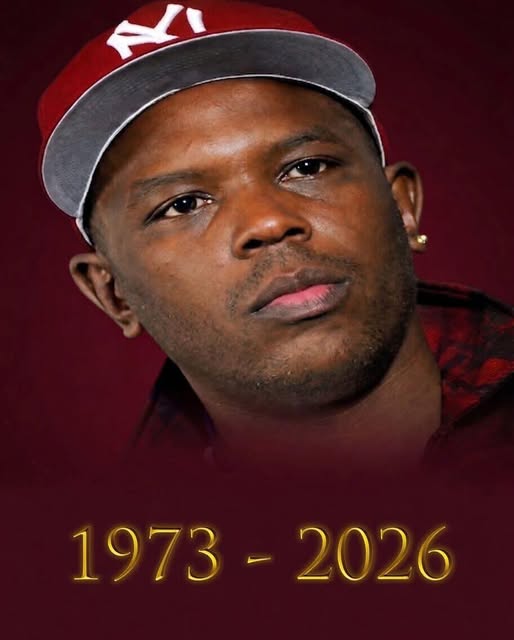
The passing of Oliver ‘Power’ Grant at the age of 52 has prompted a wave of reflection across the hip-hop community, particularly among those who understand the importance of figures who operate beyond the spotlight. While mainstream recognition often gravitates toward performers and front-facing artists, the enduring strength of any cultural movement is frequently built by individuals whose influence unfolds quietly, through vision, coordination, and strategic foresight. Grant embodied this role with remarkable clarity, helping shape not only the early trajectory of Wu-Tang Clan but also the broader philosophy that would define its legacy.
Emerging in the early 1990s, Wu-Tang Clan represented a turning point in hip-hop history. At a time when the industry largely favored individual artists or tightly controlled group structures, Wu-Tang introduced a decentralized, collective model that allowed its members to pursue solo careers while remaining united under a shared identity. This approach was not only artistically innovative but also strategically groundbreaking. Grant’s presence during this formative period contributed to reinforcing that structure, ensuring that the group’s ambitions extended beyond music into something far more expansive and enduring.
Central to this vision was the recognition that hip-hop could function as a multifaceted cultural force rather than a singular artistic genre. Alongside key members such as Method Man and GZA, Grant helped support an ecosystem where creativity, business, and identity were interconnected. His influence was not rooted in performance but in understanding how to build frameworks that allowed talent to flourish without being constrained by traditional industry limitations. In many ways, he helped translate raw artistic energy into a sustainable model—one that balanced independence with collaboration.
Perhaps one of the clearest expressions of this forward-thinking approach was the development of Wu Wear, a clothing line that emerged as one of the earliest examples of artist-driven fashion in hip-hop culture. At a time when such ventures were far from common, Wu Wear demonstrated that music could extend into lifestyle branding, creating a direct connection between artists and their audience that went beyond albums and performances. The brand’s success signaled a shift in how artists could approach ownership and identity, paving the way for future generations to explore similar paths in entrepreneurship and creative control.
This emphasis on ownership was particularly significant in an era when many artists had limited control over their work and financial outcomes. The Wu-Tang model—supported in part by Grant’s strategic thinking—challenged those norms by encouraging members to retain greater authority over their individual and collective output. This approach not only empowered the group internally but also influenced the broader industry, inspiring countless artists to rethink their relationships with record labels and to pursue more स्वतंत्र and diversified careers.
As Wu-Tang Clan’s influence expanded globally, its ability to maintain a distinct identity while reaching diverse audiences became one of its defining strengths. This balance did not happen случайно; it was the result of a carefully cultivated foundation that prioritized both artistic integrity and strategic growth. Grant’s role within this process highlights the importance of individuals who can see beyond immediate success and focus instead on long-term impact. By helping establish systems that supported both creativity and sustainability, he contributed to a legacy that continues to resonate decades later.
Despite his significant contributions, Grant remained largely out of the public eye—a choice that reflected both humility and a deep commitment to the work itself. In an industry often driven by visibility and recognition, his approach stood in contrast, emphasizing substance over spectacle. Those who collaborated with him understood the value of his perspective, recognizing that his influence, while not always visible to the public, was integral to the collective’s success.
In the wake of his passing, the full scope of his impact becomes even more apparent. It is visible not only in the enduring relevance of Wu-Tang Clan but also in the broader evolution of hip-hop as a cultural and economic force. The ideas he helped support—creative independence, entrepreneurial thinking, and the integration of music with other forms of expression—have become foundational principles for many artists today.
Grant’s legacy serves as a reminder that transformative influence does not always come from the spotlight. Often, it is shaped by those who operate behind the scenes, guiding movements with clarity, purpose, and vision. His story underscores the importance of recognizing these contributions, not as secondary to the art itself, but as essential to its creation and longevity.
As the hip-hop community reflects on his life, what stands out is not a single defining moment, but the cumulative impact of years spent building something larger than any one individual. Through his work with Wu-Tang Clan and beyond, Oliver “Power” Grant helped lay the groundwork for a model of artistic independence and cultural innovation that continues to inspire. His legacy endures in every artist who seeks control over their craft, every collective that values unity without sacrificing individuality, and every movement that dares to think beyond conventional boundaries.