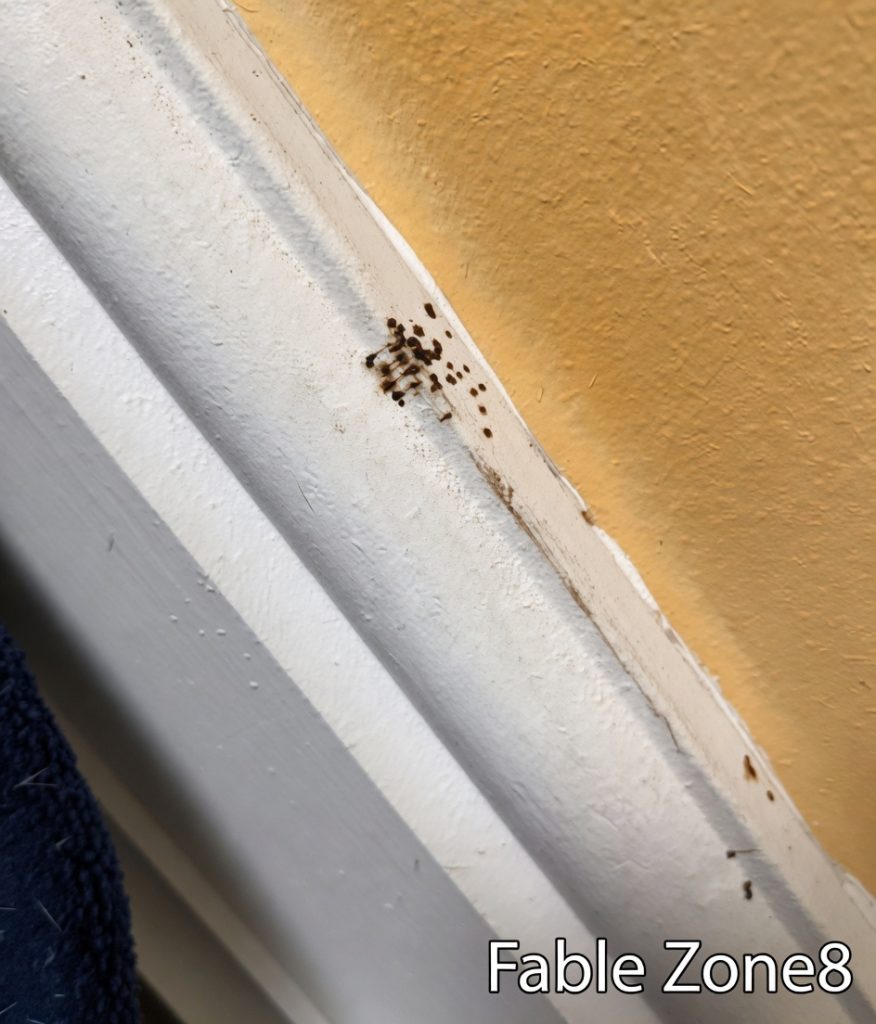
Spotting tiny black dots scattered across your kitchen can be unsettling—especially when they seem to appear out of nowhere. At first glance, they may look like harmless crumbs, coffee grounds, or specks of dirt. But when those dots keep reappearing, forming patterns along baseboards, cabinets, or door frames, they may be telling a very different story.
Despite the dramatic claims often seen online, the reality is more grounded—but still important to understand. In many cases, these black dots are what experts call frass, a term used to describe insect droppings. While that might sound alarming, it doesn’t automatically mean your home is in serious danger. It does, however, mean that some type of pest activity could be present and worth addressing early.
Understanding what you’re seeing—and what you’re not—can help you respond calmly, effectively, and without unnecessary fear.
What Are Those Tiny Black Dots?
In household pest control, “frass” is the residue left behind by insects as they feed and move around. These droppings can vary in size, shape, and appearance depending on the type of insect.
Common characteristics include:
- Small, dark specks or pellets
- Often found in clusters or trails
- Located near food sources or hiding places
- Sometimes mistaken for pepper, dirt, or debris
Different pests produce different types of frass. For example, cockroach droppings may look like black pepper or coffee grounds, while beetle larvae may leave behind more granular or cylindrical particles.
If you also notice a small insect nearby—especially one with stripes or unusual markings—it could help identify the source. However, a single sighting doesn’t always confirm an infestation. Many insects occasionally wander indoors without establishing a colony.
Why Kitchens Attract These Pests
Kitchens naturally provide what many insects need to survive:
- Food (crumbs, spills, stored goods)
- Moisture (sinks, pipes, humidity)
- Shelter (cracks, cabinets, appliances)
Even a clean kitchen can offer enough resources for small pests to explore. Tiny amounts of food residue, especially in hard-to-reach areas, can attract insects over time.
This doesn’t mean your home is dirty—it simply means your kitchen is a favorable environment if small conditions align.
Common Culprits Behind Black Specks
Several types of household pests may leave behind small black dots:
- Cockroaches: Their droppings resemble fine black grains and often appear near baseboards, behind appliances, or inside cabinets.
- Pantry beetles (such as drugstore or cigarette beetles): These pests infest dry foods and leave behind tiny pellet-like waste.
- Ants: While less common, some species leave debris that can resemble dark specks.
- Other small insects: Various larvae or wandering bugs may leave minimal traces without forming a full infestation.
It’s important not to jump to conclusions. The presence of a few specks doesn’t necessarily indicate a widespread problem. Patterns, repetition, and increasing quantity are more meaningful signs.
Signs That Suggest a Real Issue
Instead of focusing on a single dramatic clue, experts recommend looking for consistent patterns. You may want to investigate further if you notice:
- The dots reappear after cleaning
- They increase in number over time
- They form trails or clusters in specific areas
- You see live insects repeatedly
- Food packaging shows signs of damage
These signs suggest ongoing activity rather than a one-time occurrence.
Are These Black Dots Dangerous?
In most cases, small amounts of insect droppings are more of a hygiene issue than an immediate health threat. However, they can still be undesirable for several reasons:
- They may contaminate food surfaces
- They can trigger allergies in sensitive individuals
- They may carry bacteria from other areas
For example, cockroaches are known to move through unsanitary environments and can transfer microbes to kitchen surfaces. That said, serious health risks usually arise only in larger, long-term infestations—not from a few isolated specks.
The key takeaway is awareness, not alarm.
What To Do If You Notice Them
If you find small black dots in your kitchen, a calm and methodical approach is the best response.
1. Clean the Area Thoroughly
Wipe down all surfaces using a household cleaner or a mixture of water and vinegar. Pay attention to corners, edges, and hidden spots.
2. Inspect Nearby Areas
Check cabinets, drawers, and pantry items. Look for damaged packaging or additional signs of insects.
3. Remove Potential Food Sources
Seal food in airtight containers and clean up crumbs or spills promptly.
4. Reduce Moisture
Fix leaks, dry wet areas, and ensure proper ventilation. Moisture attracts many pests.
5. Monitor the Situation
After cleaning, observe whether the dots return. This helps determine whether the issue is ongoing.
When to Take Further Action
If the problem persists or worsens, you may consider additional steps:
- Use sticky traps to monitor insect activity
- Apply targeted pest control products in cracks and crevices
- Contact a licensed pest control professional for inspection
Professional help is especially useful if:
- You see insects regularly
- The dots spread to multiple areas
- Pantry items are repeatedly affected
Preventing Future Problems
Prevention is often simpler than dealing with an active issue. A few consistent habits can make a big difference:
- Clean kitchen surfaces daily
- Store dry goods in sealed containers
- Take out trash regularly
- Keep floors free of crumbs
- Inspect groceries before storing them
- Check hidden areas during routine cleaning
These steps help create an environment that is less attractive to pests.
Separating Facts From Fear
Online content about household pests often uses dramatic language to capture attention. While this can raise awareness, it can also create unnecessary anxiety.
It’s important to remember:
- Not every insect sighting means infestation
- Not every black speck is a serious threat
- Most issues can be managed with simple steps
By focusing on facts rather than fear, you can respond more effectively and avoid overreacting.
A Balanced Perspective
Your home is a living environment, and occasional encounters with insects are normal. The goal is not to achieve complete sterility, but to maintain a clean, controlled space where pests cannot thrive.
Tiny black dots can be a useful signal—an early indicator that something may need attention. When addressed promptly, they rarely develop into major problems.
Final Thoughts
Those small black specks in your kitchen might not be as mysterious as they seem. In many cases, they are simply signs of minor insect activity that can be managed with awareness and routine care.
Rather than assuming the worst, take a closer look, clean thoroughly, and monitor the situation. If needed, take further steps—but always based on evidence, not fear.
By staying informed and proactive, you can keep your kitchen clean, your food safe, and your home comfortable—without unnecessary stress or alarm.