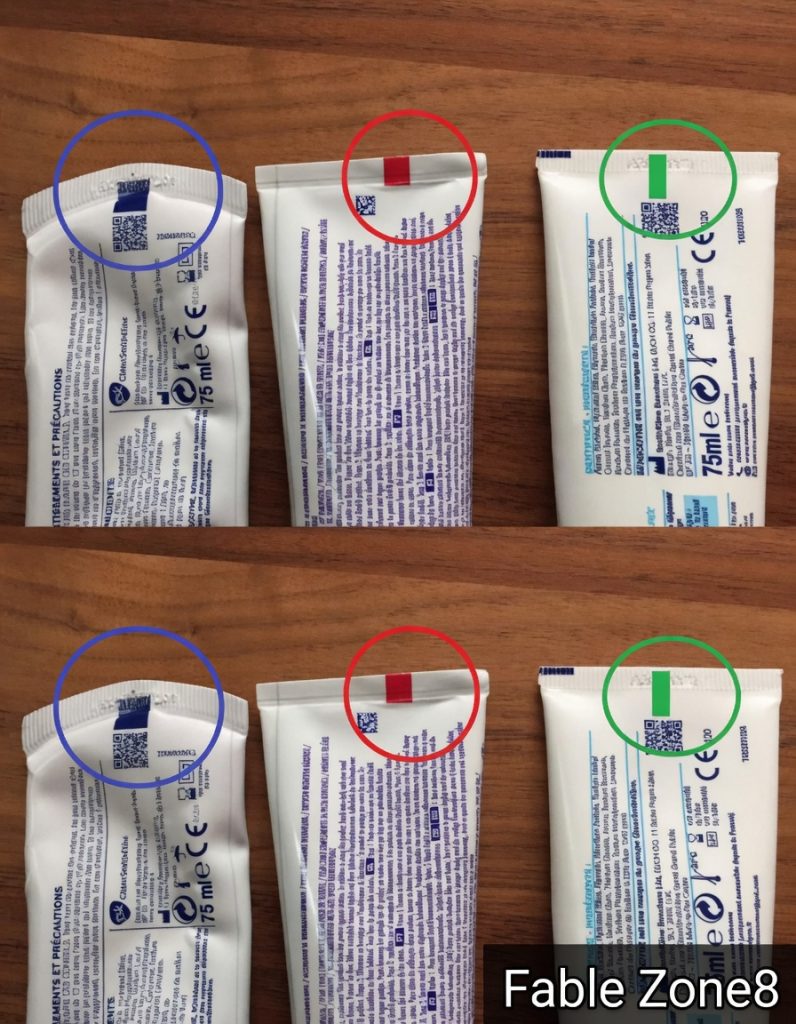
If you’ve ever picked up a tube of toothpaste and noticed a small colored square or stripe near the sealed end, you’re not alone. These markings—often in shades of green, blue, red, or black—have sparked widespread curiosity and, more recently, a wave of viral theories online. According to popular claims, these colors supposedly reveal what’s inside the toothpaste: whether it’s natural, chemical-based, or something in between.
It’s a simple idea. Easy to remember. And completely misleading.
The truth behind these colored marks is far less dramatic—but far more practical. They have nothing to do with ingredients, safety, or health. Instead, they are part of the manufacturing process, designed to help machines produce toothpaste tubes efficiently and accurately.
Understanding this not only clears up confusion but also highlights a bigger issue: how easily misinformation can spread when it aligns with what people want to believe.
The Origin of the Myth
The viral explanation of toothpaste tube colors likely gained traction because it offers something people are constantly looking for—quick, visual shortcuts to make better choices. The idea goes like this:
- Green means natural
- Blue means natural plus medicinal
- Red means natural mixed with chemicals
- Black means all chemicals
At first glance, this seems helpful. In a world where ingredient lists can be long and difficult to understand, a simple color code feels like a convenient solution. It removes the need to read labels or research ingredients. You just look at the stripe and decide.
But this interpretation has no basis in how toothpaste is actually made or regulated.
What the Colored Marks Really Are
Those colored squares or stripes are known in the packaging industry as eye marks or registration marks. They are used during automated production to guide machinery.
Toothpaste tubes are produced on high-speed assembly lines. Large sheets of packaging material are printed, cut, folded, and sealed into tubes. During this process, machines rely on sensors to detect specific points on the packaging so they know exactly where to cut and seal.
That’s where the colored marks come in.
These marks provide a clear visual signal for optical sensors. When the machine detects the mark, it knows where to make precise cuts or seals. Without them, production would be less accurate, leading to misaligned packaging or defective tubes.
In simple terms:
👉 The marks are for machines—not for consumers.
They don’t carry any information about what’s inside the tube. They are purely functional, ensuring efficiency and consistency in manufacturing.
Why the Myth Spread So Easily
The persistence of this myth reveals something important about human behavior. People naturally look for patterns and meaning, especially when it comes to health-related products.
There are a few key reasons why this idea became so popular:
1. Simplicity
The color-code theory is easy to understand. It reduces a complex topic—chemical composition—into a simple visual cue.
2. Fear of “Chemicals”
Many consumers are increasingly concerned about synthetic ingredients. The idea that a black stripe means “all chemicals” taps into existing fears, even though everything (including water and natural extracts) is technically made of chemicals.
3. Social Media Amplification
Once the idea appeared online, it spread quickly. Posts that seem informative or “revealing hidden truths” tend to gain attention, even if they are inaccurate.
4. Lack of Awareness About Manufacturing
Most people don’t think about how packaging is made. Without that context, it’s easy to assign meaning to something that looks intentional.
The Reality of Toothpaste Formulation
Toothpaste is not a simple product. It is carefully formulated using a combination of ingredients, each serving a specific purpose. These formulations are developed through scientific research and are regulated in many countries to ensure safety and effectiveness.
A typical toothpaste may include:
- Abrasives to help clean teeth
- Fluoride to strengthen enamel and prevent cavities
- Humectants to retain moisture
- Flavoring agents for taste
- Surfactants to create foam
- Preservatives to maintain shelf life
Each ingredient is selected for a reason, and the overall effectiveness of the toothpaste depends on how these components work together.
This complexity cannot be reduced to a single color mark.
What Actually Matters When Choosing Toothpaste
If the colored stripe doesn’t matter, what should you focus on instead?
Here are the factors that truly make a difference:
1. Ingredient List
The most reliable source of information is the ingredient list printed on the packaging. This tells you exactly what the product contains.
Look for transparency and clarity. If you’re unsure about an ingredient, a quick search or consultation with a professional can provide more insight.
2. Fluoride Content
Fluoride is one of the most important ingredients in toothpaste. It helps strengthen tooth enamel and prevents cavities by making teeth more resistant to acid attacks.
Most dental professionals recommend using fluoride toothpaste unless there is a specific reason not to.
3. Your Personal Needs
Not all toothpaste is the same, and different formulations are designed for different concerns. For example:
- Sensitive teeth formulas help reduce discomfort
- Whitening toothpaste targets surface stains
- Gum care products focus on reducing inflammation
- Natural options may avoid certain synthetic ingredients
Choosing the right toothpaste depends on your individual dental health.
4. Professional Advice
If you’re unsure which toothpaste is best for you, a dentist can provide personalized recommendations. They can take into account factors such as enamel strength, gum health, and sensitivity.
The Role of “Natural” Labels
Many people are drawn to products labeled as “natural” or “organic.” While these labels can be helpful, they are not always straightforward.
The term “natural” is not strictly regulated in all regions, which means it can be used in different ways by different brands. This makes it important to look beyond the label and examine the actual ingredients.
Some people prefer to avoid certain components, such as:
- Sodium lauryl sulfate (SLS), a foaming agent
- Artificial sweeteners or flavors
- Certain preservatives
If these preferences are important to you, checking the ingredient list is far more effective than relying on packaging colors.
A Broader Lesson About Misinformation
The toothpaste stripe myth is just one example of how misinformation can spread. It highlights the importance of critical thinking, especially when it comes to health-related topics.
In today’s digital world, information is everywhere—but not all of it is accurate. Simple explanations can be appealing, but they are not always reliable.
Learning to question and verify what you see can help you make better decisions, not just about toothpaste, but about many aspects of daily life.
Why Packaging Details Can Be Misleading
Packaging is designed to attract attention and communicate brand identity—not to provide hidden codes. Colors, shapes, and design elements are chosen for marketing and functionality, not for secret messages about product composition.
The colored stripe on a toothpaste tube is simply a byproduct of the production process. It is not meant to be interpreted or analyzed by consumers.
The Bottom Line
The colored stripes or squares on toothpaste tubes may look meaningful, but they are not indicators of what’s inside. They are manufacturing marks used by machines to align and seal packaging.
Relying on these marks to judge a product can lead to confusion and poor choices.
Instead, focus on what truly matters:
- The ingredient list
- The presence of fluoride
- Your specific dental needs
- Professional guidance when needed
By shifting your attention away from myths and toward reliable information, you can make better decisions for your oral health.
Final Thoughts
It’s easy to see why the toothpaste color myth became so widespread. It offers a quick answer in a world where people are often short on time and overwhelmed by choices.
But the truth is rarely that simple.
Toothpaste, like many everyday products, is the result of careful design, scientific research, and regulated manufacturing processes. Understanding even a small part of that process can make a big difference in how you approach your choices.
So the next time you notice that little colored square at the end of a toothpaste tube, you’ll know exactly what it is—and what it isn’t.
Not a secret code.
Just a small detail in a much larger system working behind the scenes.