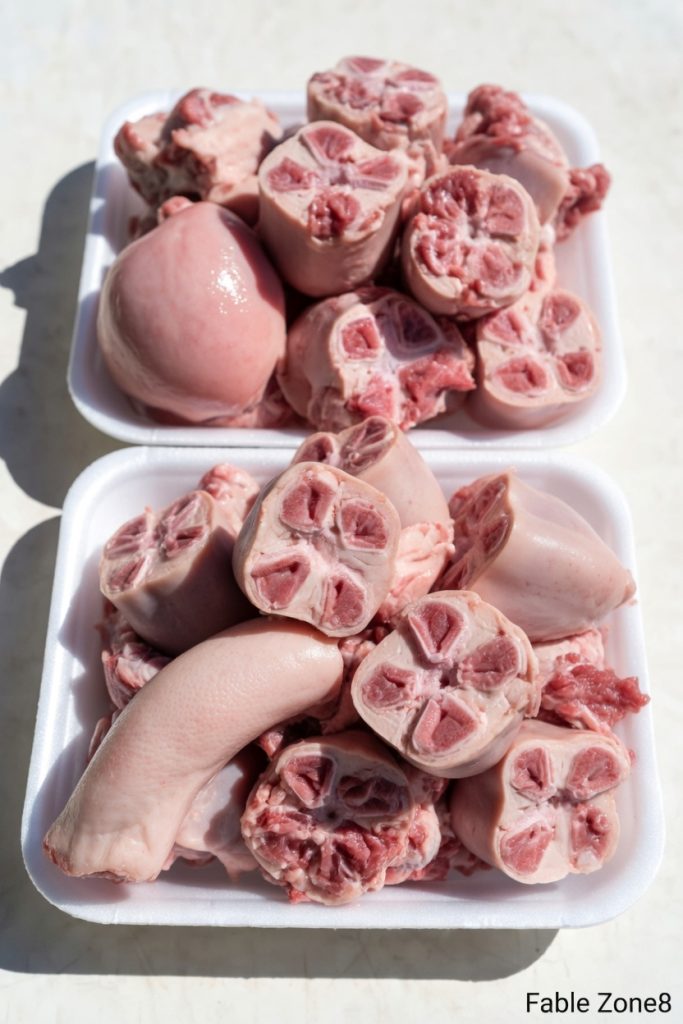
When you stand in front of a supermarket meat display, everything is designed to look perfect—bright red cuts, neat packaging, and labels that suggest freshness and quality. But beneath that polished surface lies a more complex reality. Not all beef is created equal, and understanding where your meat comes from can profoundly influence your health, your values, and even the environment.
At its core, the difference between supermarket beef and farm-raised beef is a difference in systems—one driven by efficiency and scale, the other by care and transparency.
The Illusion of Freshness
One of the most overlooked truths about supermarket meat is how its appearance is maintained. That vibrant red color many consumers associate with freshness is not always a sign of quality. In many cases, modified-atmosphere packaging is used to preserve that color for longer periods. While this extends shelf life and reduces waste, it can create the illusion of freshness even when the product has been packaged days or weeks earlier.
Farm-raised beef, especially when sourced locally, rarely relies on such methods. Its freshness is real, not cosmetic. The flavor reflects this—richer, more complex, and closer to what meat naturally tastes like.
Quality and Nutrition: More Than Taste
The life of the animal directly shapes the quality of the meat. Cattle raised on open pastures, grazing naturally, develop muscle and fat differently than those confined in large-scale industrial systems. This results in meat that is not only more flavorful but also nutritionally distinct.
Grass-fed and pasture-raised beef typically contains higher levels of omega-3 fatty acids, beneficial compounds like conjugated linoleic acid (CLA), and important vitamins such as A and E. These nutrients are linked to reduced inflammation, improved heart health, and better overall well-being.
By contrast, beef from intensive feeding operations often has a higher proportion of omega-6 fatty acids, which—when consumed in excess—can contribute to inflammation and long-term health concerns. The difference is subtle in appearance, but meaningful in impact.
Transparency vs. Complexity
Another major distinction lies in traceability.
When purchasing from local farms or trusted butchers, you often know exactly where your meat comes from. You can ask how the animals were raised, what they were fed, and how they were treated. This level of transparency creates trust and allows consumers to make informed decisions.
Supermarket supply chains, however, are far more complex. Meat may pass through multiple facilities, and a single package can contain beef from numerous animals and sources. Labels can sometimes obscure more than they reveal, prioritizing compliance over clarity.
Choosing farm-raised beef simplifies that story. It reconnects you with the origin of your food.
Environmental Impact: A Broader Perspective
Industrial meat production carries significant environmental costs. Large-scale operations often contribute to greenhouse gas emissions, water pollution, and heavy resource use. These systems are designed for output, not sustainability.
In contrast, many small and regenerative farms use practices that work with nature rather than against it. Rotational grazing, for example, can improve soil health, support biodiversity, and even help capture carbon from the atmosphere.
Buying locally also reduces the distance food travels, lowering the environmental footprint of your meals.
Ethics and Animal Welfare
Beyond health and sustainability, there is a human and ethical dimension to consider.
Animals raised in smaller, pasture-based systems are more likely to experience natural living conditions—access to open space, fresh air, and humane treatment. This approach reflects a philosophy that values quality of life, not just productivity.
For many consumers, this matters. Food is not just fuel—it is a reflection of choices and values. Supporting ethical farming practices aligns what we eat with what we believe.
The Hidden Cost of Cheap Meat
At first glance, supermarket beef often appears more affordable. But the true cost is not always visible on the price tag.
Lower prices can come at the expense of environmental sustainability, long-term health, and the survival of small farms. When you invest in farm-raised beef, you are supporting a different system—one that prioritizes quality, responsibility, and community.
It is not simply a purchase. It is a decision about what kind of food system you want to support.
Making Better Choices
Navigating meat labels can be confusing, but a few principles can help:
- Look for clearly defined terms like “100% grass-fed” or “pasture-raised.”
- Be cautious of vague phrases such as “natural” or “farm fresh.”
- Whenever possible, ask questions and learn about the source.
- Support local producers who are transparent about their practices.
These small steps can make a meaningful difference.
A Shift in Perspective
Ultimately, this is not about rejecting supermarkets entirely or demanding perfection in every purchase. It is about awareness.
Understanding where your food comes from empowers you to make choices that align with your health, your values, and your vision for the future.
Because food is never just food.
It carries stories—of land, of animals, of people, and of systems.
And every time you choose what goes on your plate, you become part of that story.
The Bottom Line
The next time you see perfectly packaged meat on a store shelf, take a moment to look beyond the surface. Freshness is not just about color. Quality is not just about convenience.
By choosing farm-raised beef when possible, you support a system rooted in transparency, sustainability, and care.
And in doing so, you’re not just feeding yourself—you’re helping shape a better, more honest food future.