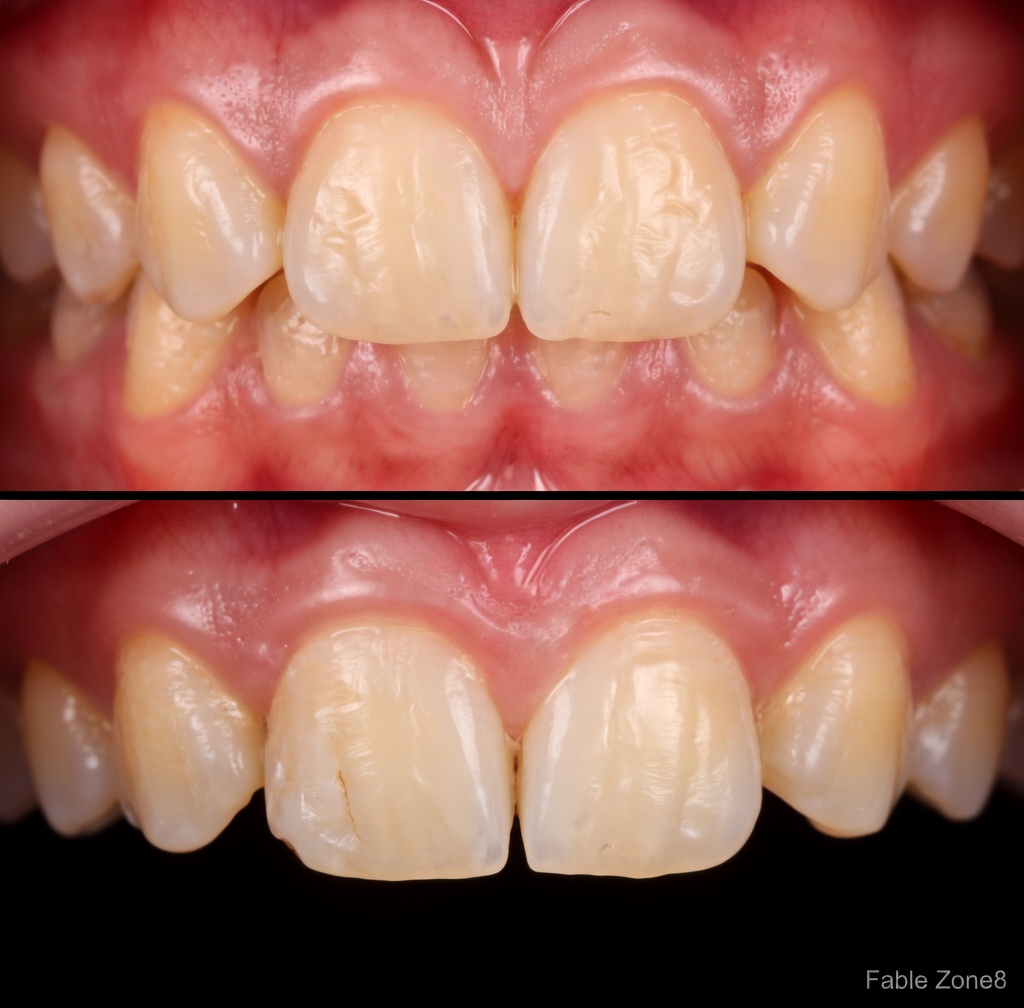
Dental enamel erosion is a gradual process that affects millions of people worldwide, often without them realizing it until noticeable sensitivity or visible changes occur. While enamel is one of the hardest substances in the human body, it is not indestructible. Over time, repeated exposure to acidic foods, beverages, and certain lifestyle habits can weaken and wear down this protective outer layer.
Understanding how this process works—and how to prevent it—can help preserve long-term dental health, reduce sensitivity, and maintain a strong, functional smile.
1. What Dental Enamel Actually Is
Enamel is the thin, outermost layer of the tooth, composed primarily of hydroxyapatite crystals, a highly mineralized structure made of calcium and phosphate. Its main function is to protect the inner layers of the tooth, including dentin and the pulp, from physical damage, temperature changes, and chemical exposure.
Although enamel is extremely strong, it has one critical limitation: it cannot regenerate once lost. Unlike bone, enamel contains no living cells. This means that any damage caused by erosion or wear is permanent and can only be managed—not reversed.
Because of this, maintaining enamel integrity is one of the most important aspects of oral health.
2. What Dental Erosion Means
Dental erosion refers to the chemical dissolution of enamel caused by acids, not by bacteria (which cause cavities). These acids can come from:
- Foods (citrus fruits, vinegar-based dressings)
- Beverages (soda, fruit juices, sports drinks, wine)
- Stomach acid (acid reflux or vomiting)
Unlike tooth decay, which forms localized cavities, erosion tends to cause generalized surface wear, making teeth appear smoother, thinner, or more translucent over time.
Importantly, erosion is usually a slow, cumulative process, not something that happens suddenly.
3. The Role of Acidic Foods and Drinks
Acidic foods and beverages are often discussed in relation to enamel wear because they temporarily lower the pH level in the mouth. When the oral environment drops below a critical threshold (around pH 5.5), enamel begins to lose minerals in a process called demineralization.
Common acidic items include:
- Citrus fruits (lemons, oranges, grapefruits)
- Carbonated soft drinks
- Sports drinks
- Fruit juices (especially apple, orange, cranberry)
- Wine and vinegar-based products
However, it is important to understand that not all acidic exposure is harmful by itself. The key factors are:
- Frequency of consumption
- Duration of exposure
- Oral hygiene habits
- Saliva flow and buffering capacity
For example, eating an orange during a meal is far less harmful than sipping orange juice throughout the day.
4. How Enamel Erosion Develops Over Time
The development of enamel erosion is typically gradual and occurs in stages:
Early stage
- Slight surface softening of enamel
- Increased sensitivity to cold or sweet foods
- No visible damage yet
Moderate stage
- Loss of natural shine
- Teeth may appear smoother or slightly flattened
- Mild yellowing may occur as dentin begins to show through
Advanced stage
- Increased sensitivity
- Visible thinning of enamel edges
- Higher risk of chips or fractures under normal chewing pressure
It is important to note that what many people interpret as “cracks” are often craze lines, which are tiny surface fissures that can occur naturally over time due to chewing forces. These are not always a sign of disease.
5. Why Acid Exposure Alone Is Not the Whole Story
While acids play a significant role, enamel erosion is usually influenced by a combination of factors:
1. Saliva protection
Saliva helps neutralize acids and restore minerals to enamel. People with dry mouth (xerostomia) are at higher risk of erosion.
2. Brushing habits
Brushing immediately after consuming acidic foods can actually worsen enamel wear, because softened enamel is more vulnerable to abrasion.
3. Diet frequency
Frequent snacking or sipping acidic drinks prolongs acid exposure, increasing risk.
4. Overall oral hygiene
Fluoride use and regular dental care significantly reduce erosion risk.
5. Medical conditions
Conditions such as acid reflux can expose teeth to stomach acid, which is far more erosive than dietary acids.
6. The Difference Between Erosion and Cavities
It is important to distinguish enamel erosion from tooth decay:
| Condition | Cause | Appearance | Process |
|---|---|---|---|
| Erosion | Acid (diet or stomach) | Smooth, shiny wear | Chemical |
| Cavities | Bacteria + sugar | Dark holes or spots | Biological |
Many people confuse the two, but they require different prevention strategies.
7. Are Citrus Fruits and Juice Really Harmful?
Citrus fruits and fruit juices are often blamed for enamel erosion, but the reality is more nuanced.
These foods:
- Contain natural acids (citric acid, ascorbic acid)
- Can temporarily soften enamel surface
However, they also:
- Provide vitamin C and antioxidants
- Are generally healthy when consumed in moderation
The risk comes primarily from:
- Frequent sipping throughout the day
- Holding acidic drinks in the mouth
- Poor oral hygiene habits
Dentists generally do not recommend eliminating citrus entirely but rather managing how and when it is consumed.
8. Carbonated Drinks and Their Impact
Soft drinks and sparkling beverages can contribute to enamel wear due to:
- Phosphoric acid (colas)
- Carbonic acid (carbonation)
- Added sugars (which increase bacterial activity)
However, studies show that frequency matters more than quantity. Drinking soda slowly over hours is significantly more harmful than consuming it quickly during a meal.
9. Symptoms That May Indicate Enamel Erosion
Early signs can include:
- Sensitivity to cold or hot foods
- Slight transparency at tooth edges
- Increased yellow appearance of teeth
- Rough or uneven surface texture
In more advanced cases:
- Persistent sensitivity
- Increased chipping
- Noticeable flattening of chewing surfaces
If these symptoms occur, a dental evaluation is recommended.
10. Prevention Strategies That Actually Work
Preventing enamel erosion is highly effective when consistent habits are applied.
Practical steps include:
1. Limit frequent acid exposure
Consume acidic foods and drinks with meals rather than between meals.
2. Use a straw
This reduces direct contact with teeth when drinking acidic beverages.
3. Rinse with water
After consuming acidic foods, rinse to help neutralize acids.
4. Wait before brushing
Wait 30–60 minutes after acid exposure before brushing.
5. Use fluoride toothpaste
Fluoride strengthens enamel and supports remineralization.
6. Chew sugar-free gum
Stimulates saliva production, helping neutralize acids.
11. Can Enamel Be Repaired?
Once enamel is lost, it cannot regenerate naturally. However, early damage can sometimes be stabilized or partially improved through:
- Fluoride treatments
- Remineralizing toothpaste (calcium/phosphate-based)
- Dental sealants or coatings
In more advanced cases, dentists may recommend:
- Bonding
- Veneers
- Crowns
The goal is protection and restoration of function—not full biological regrowth.
12. The Role of Balanced Perspective in Dental Health
It is important not to view acidic foods as inherently dangerous. Many healthy diets include fruits, fermented foods, and beverages that contain acids. The key is balance and behavior, not elimination.
Dental health is influenced more by:
- Habits
- Frequency
- Oral care routines
- Genetics and saliva quality
than by any single food group alone.
Conclusion
Dental enamel erosion is a real but often slow process influenced by repeated acid exposure, oral hygiene habits, and individual biological factors. While foods like citrus fruits, soda, and fruit juices can contribute to enamel wear, they do not automatically cause severe damage when consumed responsibly.
The most effective way to protect your teeth is through awareness, moderation, and consistent oral care. Simple habits—such as limiting frequent acidic exposure, using fluoride toothpaste, and maintaining saliva health—can significantly reduce risk.
Ultimately, maintaining a healthy smile is not about avoiding all acidic foods, but about understanding how they interact with your teeth and making informed choices that support long-term dental health.