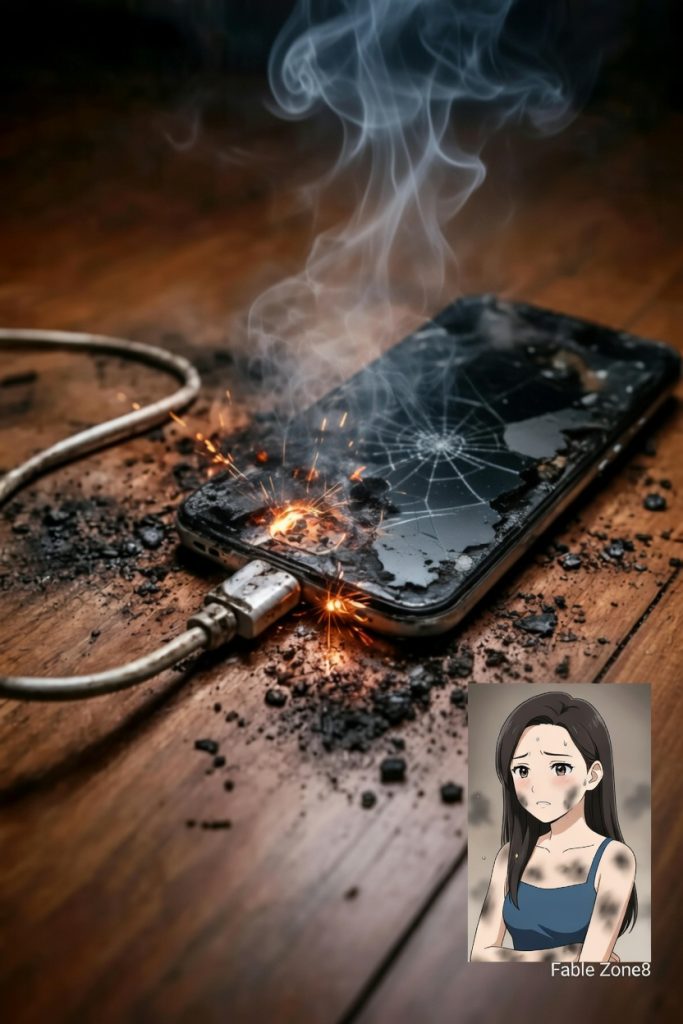
Smartphones have become essential in everyday life, and with that dependence comes a growing need to understand how to use and charge them safely. While modern devices are generally very safe, improper charging habits and damaged equipment can increase the risk of overheating, battery failure, and in rare cases, fire.
Understanding how lithium-ion batteries work—and how misuse can affect them—can help prevent damage to your device and reduce safety risks.
1. Why Smartphone Batteries Can Be Sensitive
Most modern phones use lithium-ion batteries, which are designed to store large amounts of energy in a compact space. These batteries are efficient, rechargeable, and widely used in electronics.
However, they rely on carefully controlled chemical reactions. If those reactions are disrupted by:
- Excessive heat
- Physical damage
- Electrical faults
- Poor-quality charging equipment
…then the battery may become unstable.
To prevent this, phones include built-in safety systems that regulate temperature and charging speed. In most cases, these systems work effectively.
2. What “Thermal Runaway” Actually Means
A term often used in battery safety discussions is thermal runaway.
This refers to a chain reaction where:
- The battery overheats
- Heat increases internal chemical reactions
- More heat is produced
- The process continues rapidly
If severe enough, this can lead to battery swelling, failure, or ignition.
It is important to note that thermal runaway is rare in normal consumer phone use, but risk increases when batteries are damaged, poorly manufactured, or exposed to extreme conditions.
3. Common Unsafe Charging Habits
Many risks come not from the phone itself, but from how it is used and charged.
1. Using damaged charging cables
Frayed or bent cables can expose wiring, increasing the risk of short circuits or inconsistent charging.
2. Using low-quality or uncertified chargers
Cheap, unregulated chargers may not properly control voltage or current, which can stress the battery.
3. Charging on soft surfaces
Placing a phone on beds, sofas, or under pillows can trap heat and prevent cooling.
4. Overheating the device during use
Gaming or heavy usage while charging increases temperature significantly.
5. Leaving the phone in hot environments
Cars, direct sunlight, or heaters can push battery temperature beyond safe limits.
6. Overnight charging without ventilation
Modern phones usually stop charging at 100%, but prolonged connection combined with heat buildup can still contribute to wear over time.
4. Can Phones Really Catch Fire?
While rare, battery fires have been documented in cases involving:
- Severe battery damage
- Manufacturing defects
- Use of incompatible chargers
- Extreme overheating
When a lithium-ion battery fails, it can release gases and heat rapidly. In extreme cases, this may lead to smoke or fire.
However, it is important to emphasize:
The vast majority of smartphones do NOT catch fire during normal use.
Modern safety engineering has significantly reduced these risks.
5. Warning Signs of Battery Problems
You should stop using a device or charging setup if you notice:
- Phone becomes unusually hot during charging
- Battery drains or charges abnormally fast
- Swollen or bulging phone case
- Burning smell or unusual odor
- Frequent charging interruptions
- Cable or adapter overheating
These signs may indicate battery or charging hardware issues that should be checked by a professional.
6. Safe Charging Practices (Best Recommendations)
Following simple habits can significantly reduce risks:
✔ Use certified chargers
Look for safety certifications such as UL, CE, or manufacturer-approved accessories.
✔ Charge on hard, flat surfaces
This allows proper heat dissipation.
✔ Avoid covering the phone
Do not charge under pillows, blankets, or clothing.
✔ Keep the phone cool
Avoid charging in hot environments or direct sunlight.
✔ Replace damaged cables immediately
Even minor wear can increase risk over time.
✔ Don’t overload power strips
Use reliable outlets instead of overloaded extensions.
7. Fast Charging and Heat
Fast charging technology increases current flow to reduce charging time. This naturally generates more heat, which is why phones:
- Reduce charging speed near 80–100%
- Monitor temperature automatically
- May pause charging if overheating occurs
Fast charging is generally safe when using proper equipment, but heat management becomes more important.
8. Wireless Charging Safety
Wireless charging is convenient but can produce slightly more heat than wired charging. To use it safely:
- Ensure correct alignment on the charging pad
- Avoid thick or metal phone cases
- Keep the pad ventilated
Foreign objects between the phone and charger can also cause heating issues.
9. Why Cheap Chargers Are Risky
Low-cost, unbranded chargers may lack:
- Voltage regulation
- Temperature protection
- Surge protection
This can lead to inconsistent power delivery, which stresses internal battery components over time.
Using original or certified accessories is one of the simplest ways to improve safety.
10. What Actually Causes Most Battery Incidents
Most reported battery failures are linked to:
- Physical battery damage
- Manufacturing defects (rare, but possible)
- Extreme overheating
- Use of incompatible accessories
Routine everyday charging with proper equipment is generally very safe.
11. The Role of Modern Safety Systems
Smartphones today include multiple protections:
- Automatic charge cutoff at full battery
- Temperature sensors
- Current regulation systems
- Software-based power management
These systems prevent most dangerous conditions before they escalate.
12. Practical Daily Charging Tips
To keep your phone safe long-term:
- Avoid letting battery drop to 0% frequently
- Keep charge between 20%–80% when possible
- Don’t use heavy apps while charging
- Store phone away from heat sources
- Inspect cables regularly
These habits also help extend overall battery lifespan.
Conclusion
Unsafe charging habits can increase stress on a smartphone battery, but modern devices are designed with strong safety systems that prevent most serious issues. Real risks typically come from damaged equipment, poor-quality chargers, or extreme heat conditions rather than normal everyday use.
By using certified accessories, avoiding overheating, and practicing simple charging discipline, you can keep your device safe and functioning efficiently for years.
Smartphone safety is not about fear—it’s about awareness and good habits.