Introduction: Understanding Snake Behavior and Natural Repellents
Snakes are among the most misunderstood creatures that may occasionally appear near human homes, especially in semi-rural or green urban environments like Skopje, where gardens, small yards, and nearby natural habitats create ideal transition zones between wildlife and residential areas. While most snakes are harmless and even beneficial due to their role in controlling rodent populations, their sudden appearance can cause fear, particularly when pets or children are present.
One of the most widely discussed natural approaches to discouraging snakes from entering residential spaces is the use of strong scents. Snakes rely heavily on their Jacobson’s organ, a specialized sensory system in the roof of their mouth that allows them to interpret chemical signals in their environment. Instead of “smelling” like humans, snakes collect particles with their tongue and analyze them for clues about predators, prey, and safe pathways.
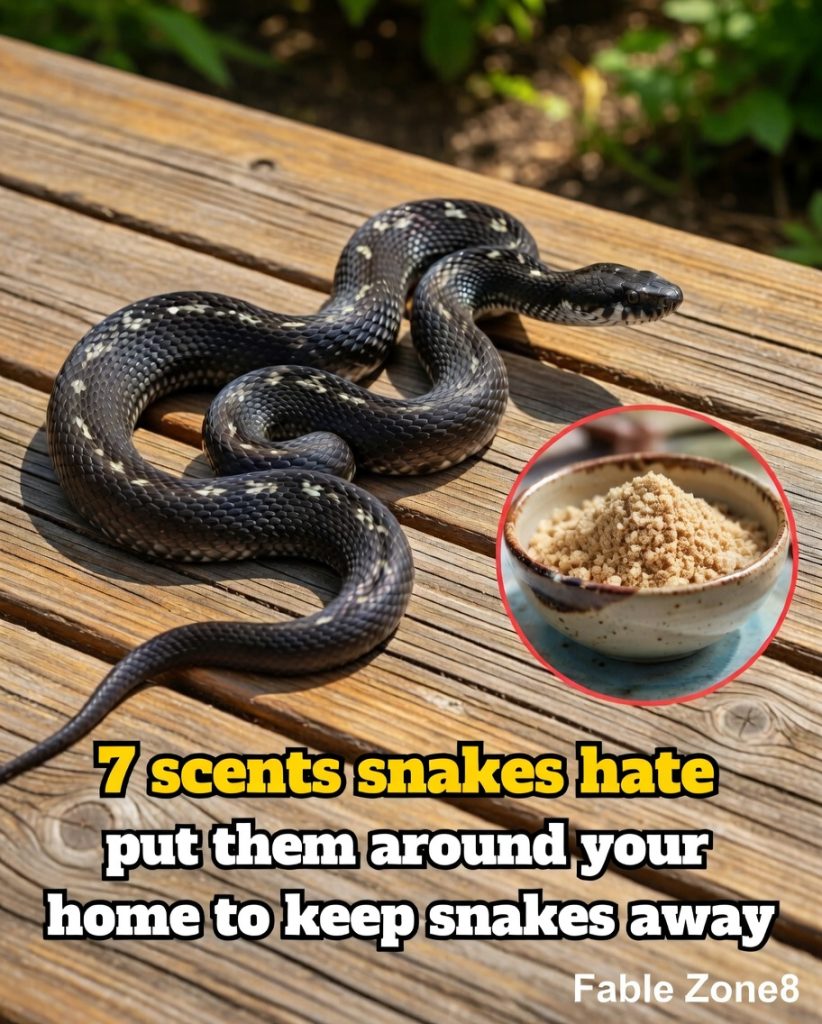
Because of this sensitivity, certain strong or overwhelming odors can disrupt their navigation behavior. This has led to widespread interest in natural repellents such as cinnamon, clove, garlic, citrus, peppermint, ammonia, and sulfur. While these substances are not guaranteed to eliminate snake presence completely, they are often used as part of a broader prevention strategy that includes cleaning outdoor spaces, reducing rodent populations, and sealing entry points around homes.
This guide explores each scent in depth, how it is believed to affect snakes, and how homeowners can responsibly apply these methods to create a less inviting environment for unwanted reptile visitors.
Why Scent-Based Snake Deterrents Are Popular
The appeal of natural repellents lies in their accessibility, affordability, and perceived safety compared to chemical pesticides or physical traps. Many homeowners prefer solutions that do not harm wildlife or disrupt ecosystems. Instead of killing snakes, scent-based methods aim to encourage them to move elsewhere.
In regions where venomous species may occasionally appear, such as certain vipers in parts of the Balkans, prevention becomes especially important. However, experts generally agree that scent alone is not a standalone solution. Its effectiveness increases significantly when combined with environmental management such as:
- Removing debris piles and wood stacks
- Keeping grass short and trimmed
- Eliminating rodent infestations
- Sealing gaps under sheds and foundations
- Reducing standing water sources
With this foundation in mind, let’s examine the seven most commonly cited natural snake-repelling scents.
1. Cinnamon: A Strong Aromatic Barrier
Cinnamon is often considered one of the most widely used natural deterrents due to its strong, spicy aroma. The active compound cinnamaldehyde produces a sharp scent that can overwhelm sensitive olfactory systems.
Homeowners typically use cinnamon in two forms:
- Ground powder scattered around perimeter edges
- Diluted essential oil sprays applied to walls, fences, and entry points
The idea behind cinnamon use is simple: create a continuous aromatic boundary that snakes are less likely to cross. While scientific evidence is limited, anecdotal reports suggest it may contribute to reduced sightings in treated areas.
Cinnamon is also valued because it is non-toxic to humans when used externally and has a pleasant smell compared to harsher chemical alternatives.
2. Clove: Intensifying the Scent Barrier
Clove oil contains eugenol, a powerful compound known for its strong aromatic properties. When combined with cinnamon, it creates a more complex scent profile that may further deter reptiles.
Clove is typically used by:
- Soaking cotton balls in diluted oil
- Placing them near basements, sheds, or crawl spaces
- Mixing with other essential oils for perimeter sprays
The strength of clove’s aroma makes it particularly useful in enclosed or shaded areas where snakes may seek shelter.
3. Garlic: Sulfur-Based Repellent Properties
Garlic is one of the most frequently mentioned natural repellents due to its intense sulfur compounds, especially allicin. When crushed or blended into a solution, garlic releases a pungent odor that can be overwhelming in enclosed environments.
Common applications include:
- Garlic-infused water sprays
- Crushed cloves placed in garden corners
- Powdered garlic mixed into perimeter lines
Garlic is often favored because it is inexpensive, widely available, and long-lasting when applied in concentrated form. Some users combine garlic with oil or water to help it adhere better to soil and surfaces.
4. Citrus: Fresh but Powerful Deterrent
Citrus fruits such as lemons, oranges, and grapefruits contain limonene and other volatile compounds that produce a sharp, acidic scent.
Citrus can be used in several ways:
- Fresh peels placed around garden beds
- Boiled citrus water sprays
- Essential oil mixtures for fences and walls
In addition to potentially deterring snakes, citrus scents may also help reduce insects such as mosquitoes, offering a dual benefit for outdoor spaces.
However, citrus peels decompose quickly, requiring frequent replacement for continued effectiveness.
5. Peppermint: Cooling and Strong Aromatic Impact
Peppermint oil contains menthol, which produces a strong cooling sensation. While this effect is mainly perceived by humans, the intensity of peppermint aroma is believed to interfere with the environmental awareness of snakes.
Peppermint is commonly used as:
- Diluted spray for outdoor perimeters
- Soaked cloths placed in shaded areas
- Live peppermint plants grown in gardens
Its popularity comes from its pleasant smell and versatility. Many homeowners prefer peppermint because it also helps repel insects, making it useful in multi-purpose garden protection.
6. Ammonia: A Sharp Chemical Warning Signal
Ammonia is a strong household chemical with a pungent odor that resembles predator urine. This scent is believed to signal danger to snakes, encouraging them to avoid treated areas.
Typical usage includes:
- Diluted ammonia-water solutions sprayed outdoors
- Cloths soaked in ammonia placed near entry points
However, ammonia must be used with caution. It should never be applied indoors or near pets and plants due to its strong fumes and potential irritation.
Because of its intensity, ammonia is generally considered a short-term deterrent rather than a long-term solution.
7. Sulfur: Earthy and Volcanic Deterrent
Sulfur has a distinctive smell often compared to rotten eggs. It is one of the strongest natural odor-based repellents and is commonly used in granular form.
Applications include:
- Perimeter lines around property edges
- Mixed with sand for better distribution
- Reapplication after rainfall or wind exposure
Sulfur is often associated with volcanic activity and natural mineral deposits, making it a powerful environmental signal that some animals may interpret as unsafe.
Due to its strength, sulfur should be handled carefully and used outdoors only.
Combining Scents for Stronger Effectiveness
Many DIY approaches suggest combining multiple scents to create layered deterrent zones. The logic is that snakes rely on chemical cues to navigate, and overlapping strong odors may make it difficult for them to interpret their surroundings.
A typical multi-layer strategy might include:
- Dry perimeter barrier using cinnamon and sulfur
- Garlic-based spray for ground-level coverage
- Peppermint and citrus spray for vertical surfaces
- Clove or ammonia in high-risk hiding areas
This layered method aims to reduce predictable scent patterns and discourage adaptation.
Environmental Management: The Most Important Step
While scent-based deterrents receive much attention, experts consistently emphasize that environmental control is far more important. Snakes are primarily drawn to:
- Food sources (rodents, insects)
- Shelter (wood piles, debris, tall grass)
- Moisture (standing water, shaded damp areas)
Without addressing these factors, no scent-based method can provide full protection. A clean, well-maintained yard significantly reduces the likelihood of snake encounters.
Seasonal Considerations and Maintenance
Snake activity tends to increase during warmer months when reptiles are more active. This means scent-based strategies must be adjusted seasonally:
- Spring: Focus on perimeter setup and early prevention
- Summer: Frequent reapplication due to heat and evaporation
- Autumn: Seal entry points before colder weather drives movement
Rain, wind, and sunlight all reduce the longevity of natural scents, making maintenance a key part of effectiveness.
Safety and Responsible Use
Although these methods are natural, they still require caution:
- Essential oils should be diluted properly
- Ammonia should never be mixed with other chemicals
- Sulfur should be handled with gloves and masks
- Pets should be kept away from concentrated applications
Responsible use ensures that deterrent strategies remain safe for both humans and animals.
Conclusion: A Balanced and Practical Approach
Natural scent-based snake deterrents offer an accessible and environmentally conscious way to reduce the likelihood of snake encounters around homes. Cinnamon, clove, garlic, citrus, peppermint, ammonia, and sulfur each bring unique properties that may contribute to an overall deterrent effect when used correctly and consistently.
However, the most effective strategy is not reliance on scent alone, but integration. Clean environments, structural maintenance, and reduced food sources form the foundation of true snake prevention, while scent barriers act as an additional supportive layer.
For homeowners in regions like Skopje and similar climates, this combined approach provides a practical, low-cost way to create safer outdoor spaces while respecting the ecological importance of snakes in the natural world.
By applying these methods thoughtfully and consistently, it becomes possible to maintain a balanced environment where human safety and wildlife coexist with minimal conflict.