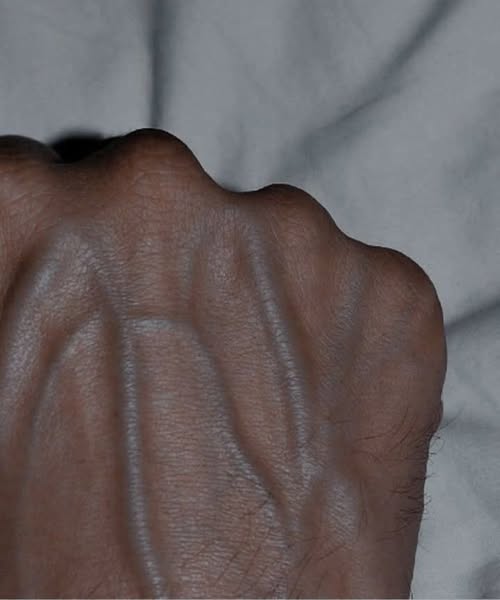
Most people move through daily life without giving their veins a second thought. They are simply there, quietly performing the essential job of returning blood to the heart. Yet for many, a moment arrives when veins seem darker, thicker, or suddenly more noticeable beneath the skin. This change can feel unsettling, especially when it appears without warning. Visible veins often trigger questions about aging, fitness, or hidden health problems, and the answers are rarely simple or one‑size‑fits‑all. Veins sit closer to the skin’s surface than arteries, which makes them especially sensitive to changes happening inside and outside the body. Temperature shifts, hydration levels, body fat percentage, physical activity, and even emotional stress can subtly alter how veins look from one day to the next. For athletes or people with naturally low body fat, prominent veins are often a sign of efficient circulation and strong cardiovascular conditioning rather than danger. For others, visible veins may reflect genetics or skin tone rather than any underlying issue. Understanding this broader context is essential before jumping to conclusions. Not every bulging vein signals illness, just as not every smooth surface guarantees perfect health. The body constantly adapts, and veins are among the most visually responsive parts of the circulatory system. Learning to interpret these signals calmly and accurately is the first step toward separating normal variation from something that deserves closer attention.
One of the most common and misunderstood reasons veins become more visible is natural aging. As the years pass, the skin gradually loses collagen and elasticity, becoming thinner and more translucent. Fat layers beneath the skin also diminish, especially in the hands, arms, and legs, removing the padding that once softened the appearance of veins. What may look like a sudden change is often the result of slow, gradual shifts that finally become noticeable. Sun exposure accelerates this process by breaking down collagen, which is why veins often appear more prominent in areas frequently exposed to ultraviolet light. Genetics play an equally powerful role. Some people inherit veins that sit closer to the surface or skin that is naturally thinner and lighter, making veins easier to see regardless of age or health. Hormonal changes can also influence vein visibility. Pregnancy, menopause, and fluctuations in estrogen levels affect blood volume and vessel elasticity, sometimes causing veins to stand out more clearly. Even daily habits such as salt intake, hydration, and posture matter. Dehydration can reduce blood volume, making veins appear sharper and more defined, while prolonged standing can increase pressure in the lower limbs, temporarily enlarging veins. These changes are often harmless and reversible, yet they highlight how dynamic and responsive the circulatory system truly is.
Physical activity is another major factor that explains why veins sometimes seem to “pop” overnight. During exercise, muscles demand more oxygen, prompting veins to dilate so blood can move efficiently back to the heart. Strength training in particular increases intramuscular pressure, pushing veins closer to the skin’s surface and making them more visible. This effect can last for hours after a workout and is often celebrated in fitness culture as a sign of vascular health. Heat works in a similar way. Hot weather, warm showers, and saunas cause blood vessels to widen as the body tries to release excess heat, temporarily intensifying vein visibility. Rapid weight loss can also produce noticeable changes. As body fat decreases, veins that were always present simply become easier to see. While this is usually not dangerous, it can be surprising, especially when weight loss happens quickly due to illness, extreme dieting, or stress. In these cases, the veins themselves are not the problem, but the underlying cause of the sudden change deserves attention. Understanding how lifestyle choices interact with circulation helps remove unnecessary fear and replaces it with informed awareness.
While most visible veins are benign, there are situations where they point to underlying circulatory problems that should not be ignored. Chronic venous insufficiency occurs when the valves inside veins weaken and fail to prevent blood from flowing backward. This causes blood to pool, increasing pressure and leading to bulging, aching veins, most commonly in the legs. Over time, this condition can cause swelling, skin discoloration, and a heavy or tired feeling that worsens after standing or sitting for long periods. Varicose veins are a visible and often uncomfortable manifestation of this process. They appear twisted, enlarged, and raised above the skin, sometimes accompanied by itching or pain. Risk factors include family history, pregnancy, obesity, prolonged standing, and advancing age. Although varicose veins are not always dangerous, they can progress and increase the risk of complications if left untreated. Less common but more urgent conditions include superficial thrombophlebitis, where a clot forms in a surface vein, causing redness, warmth, and tenderness along the vein’s path. Deep vein thrombosis is far more serious, involving a clot in a deep vein, usually in the leg. DVT can present with swelling, pain, warmth, and skin discoloration and requires immediate medical evaluation due to the risk of life‑threatening complications.
Distinguishing between harmless changes and warning signs depends largely on context and accompanying symptoms. Veins that have always been visible and remain painless are rarely a cause for concern. Sudden changes, however, deserve closer attention, especially when they occur without an obvious trigger like heat, exercise, or weight loss. Pain, swelling, redness, warmth, or a hard, cord‑like feeling along a vein should never be dismissed as purely cosmetic. Changes that affect only one limb, particularly the leg, raise more concern than symmetrical changes on both sides of the body. Skin changes such as darkening, thickening, or the development of sores around the ankles may indicate long‑standing venous problems that require medical management. Shortness of breath, chest pain, or unexplained fatigue in combination with leg symptoms can signal a medical emergency. The body often provides subtle clues before serious complications develop, and learning to recognize these patterns empowers individuals to seek help at the right time rather than waiting until discomfort becomes severe.
For those whose concern is primarily cosmetic or preventative, there are many practical steps that support vein health and overall circulation. Regular movement is one of the most effective strategies, as muscle contractions help push blood back toward the heart. Avoiding long periods of sitting or standing, maintaining a healthy weight, staying well hydrated, and elevating the legs when resting all reduce pressure on veins. Compression stockings can be especially helpful for people who stand for work or travel frequently, improving blood flow and reducing discomfort. When lifestyle measures are not enough, medical options such as sclerotherapy, laser therapy, or minimally invasive procedures can improve both appearance and symptoms under professional guidance. Ultimately, visible veins are a reminder of the body’s complexity rather than an automatic sign of trouble. Most are harmless reflections of normal physiology, aging, or lifestyle. What matters is noticing change, listening to your body, and responding thoughtfully. Awareness, not fear, is the most powerful tool for protecting long‑term vascular health and peace of mind.