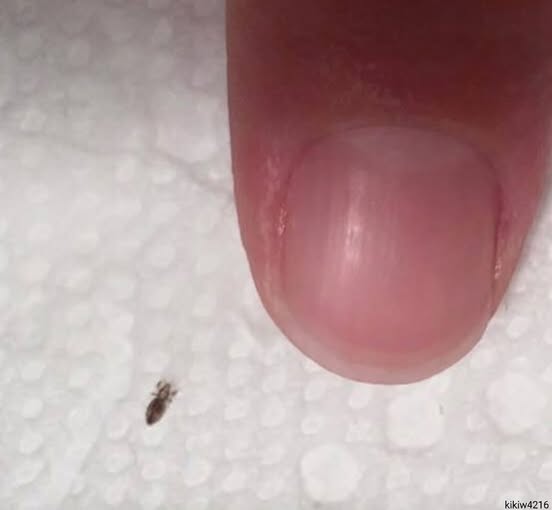
Few things trigger instant parental panic faster than discovering a tiny bug crawling through a toddler’s hair.
The moment it happens, the mind immediately jumps to one terrifying possibility:
Head lice.
Suddenly parents imagine deep-cleaning the entire house, washing every blanket, notifying daycare workers, checking every family member’s scalp under bright bathroom lights, and mentally preparing for weeks of itching, combing, and frustration.
And honestly, that reaction is understandable.
Daycares, preschools, and early childhood programs are among the most common places where head lice spread because young children naturally play close together, hug constantly, share pillows during nap time, and accidentally bump heads throughout the day.
So when one mother discovered a tiny dark insect in her toddler’s hair after daycare, concern set in immediately.
Was this a louse?
A flea?
Something dangerous?
Or just a random outdoor bug that happened to land there?
As it turns out, not every tiny insect found in a child’s hair is actually head lice.
And according to experts, accurate identification matters far more than panic.
Why Parents Immediately Fear Head Lice
Head lice are incredibly common among children.
According to public health experts, millions of cases occur every year, especially among preschool and elementary-aged children.
The insects spread primarily through direct head-to-head contact — something toddlers do constantly without even thinking about it.
Unlike mosquitoes or fleas, lice cannot jump or fly.
They simply crawl from one head to another during close contact.
That is why daycare settings naturally create opportunities for transmission.
Young children:
- Sit close together
- Share nap mats
- Hug during play
- Lean against each other while reading
- Crowd together during activities
All of those behaviors make lice easier to spread.
Still, experts emphasize something important that many parents forget:
Head lice are annoying — but they are not dangerous.
They do not spread disease.
They are not linked to poor hygiene.
And they are not a sign of neglect.
In fact, lice often prefer clean hair because it is easier for them to grip.
That surprises many families.
What Head Lice Actually Look Like
One of the biggest reasons parents panic unnecessarily is because many people have never actually seen a real head louse before.
Adult head lice are usually:
- Tiny (about 2–3 mm long)
- Grayish, tan, or reddish-brown
- Oval-shaped
- Wingless
- Fast-moving
- Equipped with six claw-like legs designed to grip hair
They tend to stay close to the scalp because they depend on warmth and frequent feeding.
Their eggs — called nits — are often easier to spot than the bugs themselves.
Nits appear as:
- Tiny white or yellowish dots
- Firmly attached to hair shafts
- Usually close to the scalp
- Difficult to remove with fingers
Unlike dandruff, nits do not flake away easily.
That difference is extremely important.
Why the Bug in the Photo May Not Be a Louse
According to the description, the insect found in the toddler’s hair appeared:
- Darker than typical lice
- More elongated
- More segmented
- Possibly beetle-like
Those details matter.
Many harmless insects occasionally end up in children’s hair after outdoor play or daycare activities.
Possible non-lice explanations include:
- Tiny beetles
- Carpet beetles
- Gnats
- Small outdoor insects
- Fleas from pets
- Random environmental bugs
Children spend time on carpets, playgrounds, grass, mats, blankets, stuffed animals, and shared surfaces every day.
Sometimes bugs simply hitch a temporary ride.
A single insect alone does not automatically mean infestation.
When Parents Should Actually Worry
Experts say parents should pay attention to additional symptoms rather than focusing on one isolated bug.
Signs more consistent with lice include:
- Frequent scalp scratching
- Complaints of itching
- Red bumps near the scalp
- Trouble sleeping
- Visible nits attached to hair
- Multiple crawling insects
Lice are social parasites.
If one adult louse is present, there are usually more nearby or eggs attached somewhere in the hair.
Finding only one unusual insect with no nits and no itching often points toward a harmless accidental encounter rather than an active infestation.
What Parents Should Do Next
The best next step is calm inspection — not panic.
Experts recommend performing a careful wet-combing check under bright light.
Here is the safest approach:
Step 1: Wet the Hair
Damp hair slows insect movement and makes strands easier to inspect.
Step 2: Use Conditioner
Conditioner helps separate the hair and makes combing easier.
Step 3: Use a Fine-Toothed Lice Comb
Carefully comb section by section from scalp to ends.
Step 4: Inspect the Comb
After each pass, wipe the comb on a white tissue or paper towel and check for:
- Bugs
- Eggs
- Tiny moving insects
- Attached nits
Step 5: Check Key Areas
Lice often hide:
- Behind the ears
- Near the neck
- Around the crown of the head
If nothing else appears after a thorough inspection, the bug may simply have been incidental.
Why Daycare Increases Exposure Risk
Even though the bug may not be lice, daycare attendance absolutely increases exposure risk overall.
Young children naturally share space in ways adults do not.
Close-contact environments make it easier for common childhood conditions to spread, including:
- Colds
- Pink eye
- Stomach viruses
- Head lice
That does not mean daycare is unsafe.
It simply means regular monitoring becomes part of parenting.
Many experienced parents perform quick weekly scalp checks during bath time just for peace of mind.
Modern Advice About Head Lice Has Changed
Years ago, schools and daycares often enforced strict “no-nit” policies.
Children were sent home immediately and sometimes barred from returning until every egg was removed.
Today, many pediatric experts consider those policies outdated.
Organizations like the American Academy of Pediatrics emphasize that lice are mainly a nuisance, not a health emergency.
Most children can safely return to daycare shortly after treatment begins.
That shift helps reduce stigma and unnecessary panic.
If Lice Are Confirmed
If additional lice or nits are discovered, parents should remain calm.
Modern treatments are highly effective.
Common approaches include:
- Over-the-counter lice shampoos
- Manual combing
- Prescription treatments if needed
- Frequent nit removal
Parents should always follow age guidelines carefully and consult a pediatrician for very young toddlers before using medicated products.
Cleaning the Home Without Overreacting
One of the biggest mistakes families make is over-cleaning.
Experts say lice survive poorly away from the human scalp.
Focus only on items used recently, including:
- Bedding
- Pillowcases
- Hats
- Hair accessories
- Recently worn clothing
Wash items in hot water and dry on high heat.
Vacuuming furniture and car seats can help, but entire-house chemical spraying is unnecessary and not recommended.
The Emotional Side of Childhood Lice
Parents often feel embarrassed or guilty after discovering lice.
But pediatric specialists repeatedly stress an important truth:
Lice are incredibly common.
They do not mean a child is dirty.
They do not mean a home is unclean.
And they do not reflect poor parenting.
They simply reflect normal childhood contact.
In many ways, lice are almost a rite of passage for families with young children.
Why Staying Calm Matters Most
Children absorb parental emotions quickly.
If parents react with panic, shame, or fear, toddlers may become anxious too.
Experts recommend treating the situation matter-of-factly:
“We found a bug in your hair, so we’re checking carefully to make sure everything’s okay.”
Simple.
Calm.
Reassuring.
That approach keeps the experience manageable instead of traumatic.
The Bottom Line
Finding a tiny insect in a toddler’s hair after daycare can absolutely feel alarming.
But not every bug is a head louse.
The insect described may simply be a harmless environmental bug that wandered into the child’s hair temporarily during normal play.
The key is careful inspection, looking for additional signs like nits or itching, and avoiding immediate panic before confirming what the insect actually is.
And if it does turn out to be lice?
Take a breath.
You are far from alone.
Millions of families deal with the exact same situation every year — and with prompt treatment, patience, and calm monitoring, most cases are resolved quickly without serious disruption.
Sometimes the scariest parenting moments become much less frightening once knowledge replaces panic.