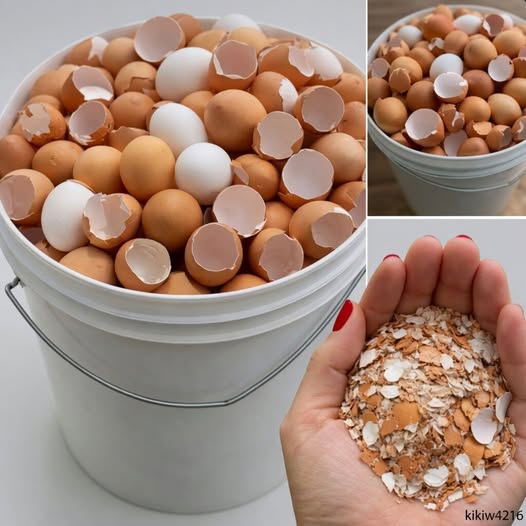
Eggshells are one of the most underestimated materials in the average household, often tossed into the trash without a second thought. Yet these fragile shells are composed of roughly 95% calcium carbonate, along with valuable trace minerals like magnesium and phosphorus, making them far more useful than most people realize. With a simple preparation process—boiling to sterilize, drying thoroughly, and crushing—you can transform what was once waste into a versatile, cost-saving resource. This small habit can gradually reduce your reliance on store-bought products while also cutting down on household waste. Over time, reusing eggshells contributes not only to personal savings but also to environmental sustainability, since they are fully biodegradable and can replace synthetic alternatives in multiple areas of daily life. What begins as a simple change in routine can evolve into a broader mindset focused on efficiency, reuse, and conscious living.
In the garden, eggshells become a powerful natural ally for healthier plants and richer soil. Once cleaned and crushed, they can be mixed directly into soil or compost, where they slowly release calcium—an essential nutrient that strengthens plant cell walls and promotes steady growth. This is particularly beneficial for crops like tomatoes, peppers, and zucchini, which often suffer from calcium deficiencies that lead to issues like blossom-end rot. Eggshells can also be soaked in water to create a mild, nutrient-infused liquid fertilizer that supports plant health when used regularly. Additionally, their coarse texture makes them an effective, chemical-free pest deterrent; scattered around plants, they help discourage slugs and snails from approaching. For gardeners starting seeds, eggshell halves can even serve as biodegradable starter pots, allowing seedlings to grow in a nutrient-rich environment before being planted directly into the soil with minimal root disturbance. These simple techniques can noticeably improve plant vitality while reducing the need for synthetic fertilizers.
Beyond gardening, eggshells can play a surprisingly effective role in household cleaning. When ground into a fine powder, they act as a gentle abrasive that can scrub away grime without damaging surfaces. Mixed with a bit of dish soap and lemon juice, eggshell powder becomes a natural cleaning paste capable of removing grease, stains, and buildup from sinks, cookware, and countertops. Unlike many commercial cleaners, this solution is free from harsh chemicals, making it safer for both people and pets. Eggshell powder can also be added to laundry to help brighten whites and neutralize odors, offering a simple alternative to chemical-based boosters. Even drains can benefit from crushed shells, which, when flushed with hot water and mild acidic solutions, can help reduce minor buildup and maintain freshness. These practical uses demonstrate how eggshells can replace multiple specialized products, streamlining cleaning routines while lowering costs.
Eggshells also offer interesting possibilities in personal care, especially when processed carefully into a fine, smooth powder. Combined with natural ingredients like yogurt or oils, they can be used as a gentle exfoliant to remove dead skin cells and leave the skin feeling refreshed. Their mineral content provides a subtle nourishing effect, making them a simple addition to homemade skincare routines. The thin membrane inside the shell is another overlooked feature; it contains compounds such as collagen and hyaluronic acid, which can be used in basic skincare applications when handled properly. Some people explore eggshell powder as part of homemade dental care blends due to its calcium content, though this should be approached cautiously to avoid damaging enamel. Others even consider it as a dietary calcium supplement, but this requires careful preparation and professional guidance. While not a replacement for regulated products, these uses highlight how eggshells can complement natural self-care practices when used responsibly.
Creativity is another area where eggshells truly shine, offering endless possibilities for crafts and artistic expression. Intact shells can be painted and decorated into ornaments, seasonal decorations, or personalized gifts with a unique handmade touch. Crushed shells add texture to art projects, whether used in mosaics, mixed-media designs, or decorative coatings that create a distinctive crackled effect. For children, eggshells provide a safe and engaging material for imaginative projects, from miniature planters to small figurines. Even in the kitchen, larger shell pieces can serve as rustic holders for spices or condiments, adding a charming, natural aesthetic. Artists and hobbyists alike can experiment with eggshells in unexpected ways, including incorporating them into candles, frames, or jewelry designs. These creative uses not only reduce waste but also turn a common household byproduct into something meaningful and visually appealing.
Finally, eggshells contribute to broader household solutions that extend beyond the obvious. When added to indoor plant soil, they slowly release nutrients while helping deter pests that thrive in damp conditions. Outside the home, they can act as a natural barrier against crawling insects without introducing harmful chemicals into the environment. For those raising poultry, processed eggshells can even be fed back to hens to support stronger future eggs, creating a sustainable cycle. In colder climates, finely crushed shells can provide traction on icy surfaces, offering an eco-friendly alternative to salt. Proper storage is key—keeping dried shells in airtight containers ensures they remain usable for long periods. By integrating these small practices into daily routines, eggshells shift from being overlooked waste to a valuable, multifunctional resource. Over time, this simple change reflects a larger lifestyle approach—one that values sustainability, creativity, and making the most of what is already available.