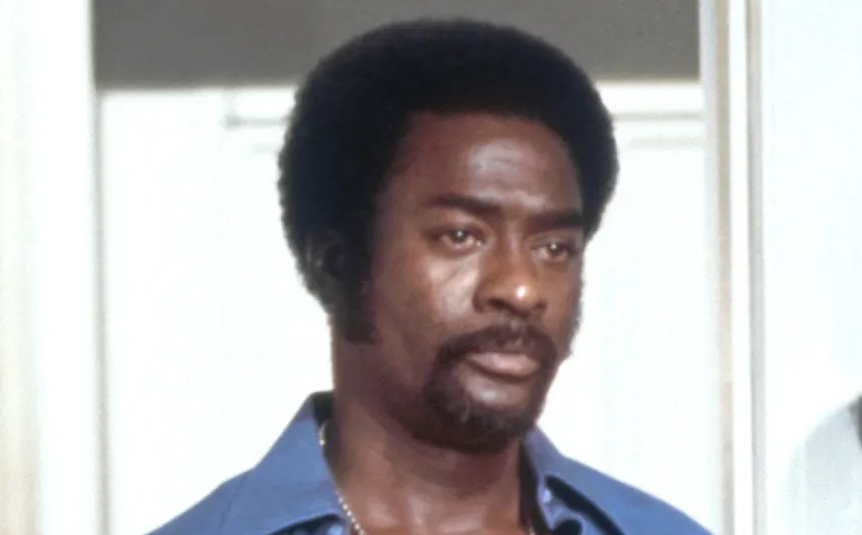
In the vast and ever-evolving world of television, where leading stars often dominate headlines and public memory, there exists a quieter class of performers whose influence is woven into the fabric of storytelling itself. Among them was Ed Bernard, a character actor whose career stood as a testament to consistency, discipline, and a deep respect for the craft of performance. Long before he appeared on screen, he developed his skills in the demanding theater environment of Philadelphia, where live performance leaves no room for error or revision. It was there that he learned the importance of presence, timing, and emotional control—qualities that would later define his work in television. Unlike those who chase recognition, he built his foundation quietly, focusing on preparation and professionalism. This early commitment shaped not only his acting style but also his approach to life, emphasizing patience over speed and substance over spectacle.
As television expanded during its formative decades, he transitioned from stage to screen with a natural adaptability that reflected both humility and skill. Rather than abandoning his theatrical roots, he carried them into his television roles, bringing a grounded authenticity that resonated with audiences even when his characters were not central to the story. His appearances in series such as Police Woman and The White Shadow showcased his ability to enhance a narrative without overwhelming it. He became known as a reliable presence—an actor directors could trust to deliver exactly what a scene required. His performances were marked by subtlety, an understanding that not every role demands intensity or attention, but rather a careful balance that supports the overall story. This approach allowed him to move fluidly between roles, contributing to a wide range of productions while maintaining a consistent standard of quality.
What made his career particularly meaningful was not a single defining role, but the accumulation of thoughtful performances over time. In an industry often driven by breakthrough moments and rapid recognition, his path represented a quieter, more enduring model of success. He was not chasing fame; he was building trust. Each role, no matter how small, was approached with the same level of care and attention, reinforcing the collaborative nature of television production. His work demonstrated that storytelling relies not only on leading figures but also on those who provide depth and realism in supporting roles. This steady contribution elevated the projects he was part of, even if his name was not always the one audiences remembered. In this way, his legacy is less about visibility and more about influence—the kind that shapes the quality of storytelling without demanding acknowledgment.
Away from the camera, his life reflected values that stood in contrast to the fast-paced and often public nature of the entertainment industry. He maintained a strong connection to family and chose a lifestyle rooted in simplicity and routine. These choices were intentional, reflecting a clear understanding of what brought him fulfillment beyond professional success. His personal faith played an important role in guiding his decisions, offering a sense of perspective that extended beyond career achievements. After the loss of his wife, he gradually withdrew from public life, turning inward rather than seeking distraction through continued visibility. This period revealed a different kind of strength—one defined by quiet resilience and the ability to navigate life’s challenges with dignity. His retreat from the spotlight was not a disappearance, but a conscious shift toward what mattered most to him.
In his later years, he embodied the same steadiness that had defined his career. There was no attempt to reclaim attention or extend his presence beyond what felt meaningful. Instead, he embraced a quieter existence, remaining connected to the values that had guided him from the beginning. This consistency between his professional and personal life reinforced the authenticity of his legacy. He did not separate who he was from what he did; both were rooted in the same principles of integrity and dedication. For audiences revisiting the shows he appeared in, his performances continue to offer a sense of realism and balance, reminding viewers of the importance of every role within a story. His work remains part of the cultural landscape, not as a headline, but as a foundation.
Remembering Ed Bernard means recognizing a form of success that is often overlooked but deeply impactful. His career challenges the notion that influence must be loud or widely celebrated to be meaningful. Instead, it highlights the value of persistence, humility, and a genuine commitment to one’s craft. He contributed to moments that audiences may not always consciously attribute to him, yet those moments helped shape the overall experience of the stories being told. His life serves as a reminder that legacy is not always built through recognition, but through the quiet accumulation of meaningful work and the integrity with which it is carried out.