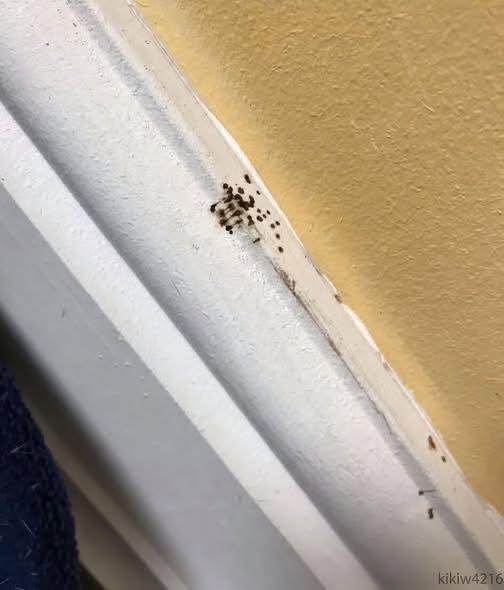
Those tiny black dots you’re seeing in your kitchen might look insignificant at first—like pepper, crumbs, or random dirt—but brushing them off too quickly can be a mistake. In many cases, they’re actually insect droppings (called “frass”), and they’re often one of the earliest visible signs that something is living and feeding nearby. Kitchens are especially vulnerable because they provide exactly what pests want: food, warmth, moisture, and plenty of hiding spots. By the time you notice the dots, the insects themselves may already be active behind walls, inside cabinets, or within food packaging. That’s why recognizing what those specks mean early can make the difference between a minor cleanup and a full-blown infestation.
The appearance of the dots can give you clues. They’re usually small, dark, and grain-like—sometimes resembling ground pepper or coffee grounds. If you also noticed a striped or small crawling bug, it could point toward pantry pests like beetles (such as cigarette or drugstore beetles) or even young cockroaches. These insects leave droppings as they move and feed, which is why you often find the dots in clusters or along edges like door frames, baseboards, or cabinet corners. Unlike dust or food debris, these specks tend to reappear after cleaning—another strong sign they’re coming from a living source rather than a one-time spill.
What makes this more than just a cleaning issue is how quickly these pests can multiply. Many of them lay eggs in hidden places—inside dry foods, cracks in cabinets, or behind appliances. Once the eggs hatch, larvae feed continuously, producing more droppings and gradually expanding their presence. That’s why the problem can seem to “appear overnight.” In reality, it’s been developing quietly. Warm kitchen temperatures and even small amounts of leftover food or moisture can accelerate their life cycle, allowing populations to grow faster than most people expect.
There are also real health considerations. While the droppings themselves are tiny, they can carry bacteria, allergens, and contaminants from wherever the insects have been. When disturbed, these particles can become airborne or transfer onto surfaces where food is prepared. For some people—especially children, older adults, or those with allergies—this can lead to irritation or respiratory issues. In more serious cases, pests like cockroaches can spread bacteria such as Salmonella or E. coli by moving between waste areas and food surfaces. So even if the dots seem harmless, they’re a signal that hygiene may already be compromised.
The good news is that catching this early makes it much easier to fix. Start by cleaning thoroughly: wipe down all surfaces, vacuum up the specks, and dispose of the vacuum contents outside. Then inspect your pantry—check flour, grains, spices, pet food, and any opened packages for signs of activity. If you find anything suspicious, it’s safest to throw it away. Store all dry goods in airtight containers moving forward. Pay close attention to hidden areas—under appliances, inside cabinets, and along edges—because that’s where pests tend to hide and breed. If the dots keep coming back after cleaning, using traps or calling a pest control professional may be necessary to locate the source.
Prevention is just as important as cleanup. Keep your kitchen dry and clean, fix any leaks, and avoid leaving food out overnight. Regularly wipe surfaces and sweep floors to remove crumbs. Sealing cracks and gaps around cabinets or baseboards can also reduce entry points. Even simple habits—like taking out the trash regularly and rotating pantry items—can make your kitchen far less attractive to pests.
The key takeaway is this: those tiny black dots are not something to ignore. They’re often an early warning sign, and acting quickly can save you from a much bigger problem later. What looks like a small issue today can quietly grow into something much harder—and more expensive—to deal with if left unchecked.