An Extraordinary Journey: The Life, Struggles, and Enduring Legacy of Lauren Chapin
The passing of Lauren Chapin marks the end of a life that touched generations in profoundly different ways. To millions, she will forever remain Kathy “Kitten” Anderson—the bright, spirited youngest daughter from Father Knows Best. But behind that familiar smile was a story far more complex, shaped by early fame, personal hardship, and ultimately, a deeply human journey toward healing and purpose.
When news broke that she had passed away peacefully on February 24, 2026, at the age of 80 after battling cancer, it resonated across generations. For some, it felt like losing a piece of childhood. For others, it was the closing chapter of a life that symbolized resilience as much as nostalgia.
The Face of a Television Era
Born on May 23, 1945, Lauren Ann Chapin entered the entertainment world at a time when television itself was still finding its voice. The 1950s represented a golden age of simplicity and optimism in American broadcasting—a time when families gathered together in living rooms, sharing stories projected from glowing black-and-white screens.
It was within this cultural moment that Father Knows Best emerged as one of the defining shows of its era.
Starring Robert Young and Jane Wyatt as the Anderson parents, the show depicted an idealized version of American family life—structured, warm, and guided by moral clarity. Within this carefully constructed world, Lauren Chapin’s character, Kathy—affectionately called “Kitten”—became its emotional spark.
She wasn’t just adorable; she was authentic.
Her performance captured something essential about childhood: curiosity, mischief, vulnerability, and sincerity. Whether delivering a line with wide-eyed innocence or reacting with genuine emotion, Chapin brought a naturalism that made audiences feel as though they were watching a real child, not a scripted character.
And that authenticity is what made her unforgettable.
More Than Just “Kitten”
Although Father Knows Best defined her career, Chapin’s early years in Hollywood included other appearances that hinted at her broader talent. She had a small role in A Star Is Born, a landmark film starring Judy Garland, and appeared in various television projects.
Yet, like many child actors, her identity became inseparable from one iconic role.
While this brought recognition and affection, it also carried limitations. The industry—and audiences—often struggle to separate the performer from the character. For Chapin, this meant growing up in the shadow of a role that represented innocence, even as her real life became far more complicated.
The Hidden Reality Behind Early Fame
The world of Father Knows Best was tidy, predictable, and comforting. Problems were resolved within half an hour. Lessons were learned. Harmony was restored.
But real life rarely follows such structure.
Behind the scenes, Lauren Chapin faced challenges that contrasted sharply with the cheerful image she portrayed on screen. As she transitioned into adulthood, she encountered personal struggles that she would later speak about openly—family difficulties, emotional turmoil, and the disorientation that often follows early fame.
For many child actors, the end of a successful show brings not just a career shift, but an identity crisis. When the applause fades and the roles disappear, what remains is the question: Who am I without this?
Chapin’s journey reflects that difficult transition.
A Life That Took Unexpected Turns
Adulthood did not unfold easily for her.
Like many who experience early success, she faced periods of instability. The pressures of maintaining an image, combined with personal and emotional challenges, led her down paths that were far removed from the safe, structured world audiences associated with her.
But what makes her story remarkable is not the struggle itself—it is what came after.
Because Lauren Chapin did not remain defined by those difficulties.
The Path to Redemption
Over time, she began to rebuild her life with honesty and intention.
She turned toward faith, reflection, and personal accountability—choices that allowed her to reshape her narrative. Rather than hiding from her past, she spoke about it. Openly. Candidly. Without embellishment.
This honesty became one of her greatest strengths.
She began participating in speaking engagements, sharing her experiences with audiences who saw in her story something deeply relatable. Not the perfection of a television character, but the imperfection of a real human being navigating life’s complexities.
Her message was simple, but powerful:
Struggle does not define you.
What you do after struggle does.
Reconnecting With a New Purpose
In her later years, Chapin found meaning not in returning to fame, but in connecting with others.
She engaged in ministry work and outreach, offering support and encouragement to those facing their own hardships. Her ability to speak from experience—not theory—gave her words weight.
People listened because she had lived it.
She also maintained a connection with fans of Father Knows Best, attending events and acknowledging the role that had shaped her life. But now, she did so on her own terms—not as a child star, but as a woman who had lived a full and complex life.
The Enduring Legacy of a Classic Show
Even decades after its original run from 1954 to 1960, Father Knows Best remains a cultural touchstone.
It represents a particular vision of American life—one that, while idealized, continues to evoke nostalgia. For many viewers, it is more than a show; it is a memory. A connection to childhood, to family, to a slower and seemingly simpler time.
Within that legacy, Lauren Chapin’s role stands out.
Kathy “Kitten” Anderson wasn’t just a supporting character—she was the emotional heartbeat of many episodes. Her reactions, her questions, her innocence often highlighted the deeper themes of the show.
And because of that, her presence has endured.
Even as television has evolved dramatically, her performance remains timeless.
A Legacy Beyond the Screen
What makes Lauren Chapin’s legacy unique is its dual nature.
On one hand, she represents a golden era of television—a symbol of innocence and family-centered storytelling.
On the other, she represents something far more complex and human: resilience.
Her willingness to speak about her struggles gave her story depth. It transformed her from a nostalgic figure into someone whose life carried meaning beyond entertainment.
She became not just someone people remembered—but someone they could learn from.
The Reaction to Her Passing
When news of her death spread, tributes came from all directions.
Fans shared clips, photos, and memories of watching Father Knows Best with parents and grandparents. Others reflected on her later-life openness, expressing gratitude for the honesty she brought to conversations about hardship and recovery.
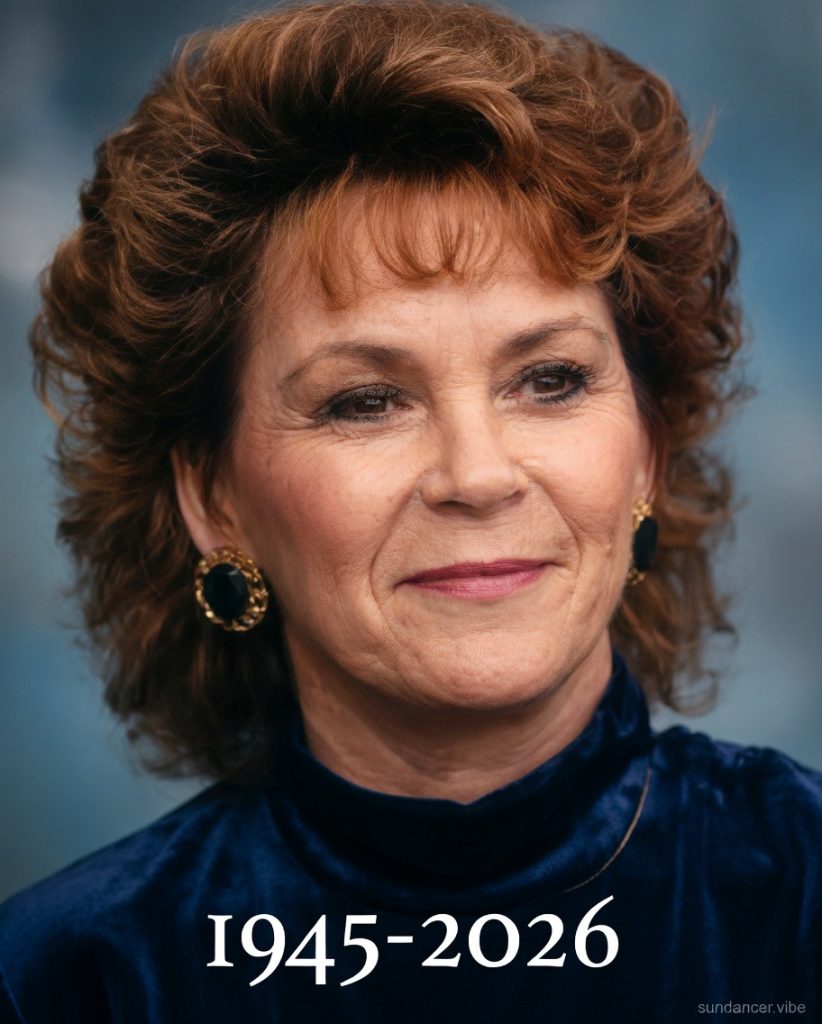
The dates “1945–2026” appeared across social media, accompanied by messages of appreciation and remembrance.
For many, her passing felt personal.
Because she had been part of their lives—not directly, but through the stories and moments she helped create.
A Life of Contrast and Meaning
Lauren Chapin’s life cannot be reduced to a single narrative.
It was not just a success story.
It was not just a cautionary tale.
It was both—and more.
It was a life of contrasts:
Early fame and later obscurity.
Public joy and private struggle.
Loss and rebuilding.
And through those contrasts, something meaningful emerged.
A reminder that people are never as simple as the roles they play.
Final Reflection
In remembering Lauren Chapin, we remember more than a child star.
We remember a person who lived through extremes and chose, ultimately, to face them with honesty.
Her portrayal of Kathy Anderson will continue to live on, preserved in one of television’s most beloved series. But her real legacy lies in something deeper:
Her willingness to be seen not just as she was—but as she became.
And in that, she leaves behind something enduring.
Not just memories.
But meaning.