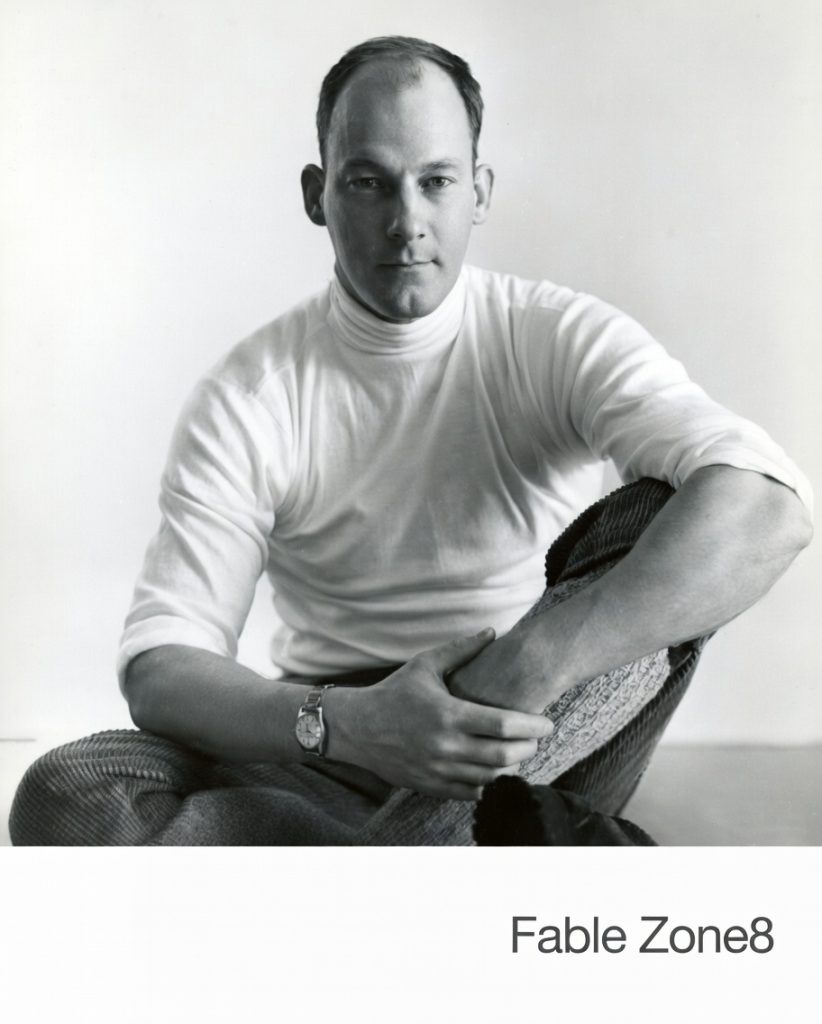
The world of exploration and quiet courage has lost one of its most enduring figures. Jim Whittaker, the first American to stand atop Mount Everest, has passed away at the age of 97. He died peacefully at his home, far from the spotlight that once followed him, surrounded by the calm and grounded life he chose after decades of extraordinary achievement. For many, his name will forever be tied to that historic ascent in 1963—a moment that marked not only a personal triumph but a milestone for a nation. Yet those who truly understood his life know that his legacy stretches far beyond a single summit. It lives in the people he inspired, the landscapes he helped protect, and the philosophy he carried with quiet conviction.
Born in Seattle, Whittaker’s connection to the natural world began early. Alongside his twin brother, he discovered a deep love for climbing, one that would shape his life in ways he could not yet imagine. The mountains were not simply obstacles to overcome; they were teachers. In their silence, he learned patience. In their danger, he learned respect. And in their vastness, he discovered humility. These early experiences forged not only his physical strength but also his character, grounding him in a belief that the journey mattered just as much as the destination.
By the time he joined the American expedition to Mount Everest in 1963, the world had already been captivated by the first successful ascent a decade earlier by Edmund Hillary and Tenzing Norgay. Still, for Americans, the mountain remained an unclaimed symbol. When Whittaker reached the summit, he carried not just his own determination, but the hopes of a nation eager to prove that such a feat was within reach. Standing at the highest point on Earth, he became an instant symbol of courage and perseverance.
Yet, remarkably, he never allowed that moment to define him completely.
While many might have built a life around such fame, Whittaker chose a different path. He understood that no mountain is ever truly “conquered,” only experienced. The summit, he often suggested, was fleeting—the real value lay in the climb itself, in the teamwork, the endurance, and the lessons learned along the way. This perspective shaped the decades that followed, guiding him away from celebrity and toward purpose.
One of his most significant contributions came through his work with REI, where he helped grow the cooperative into a nationally recognized force that encouraged people to explore the outdoors. His vision was not about selling equipment—it was about opening doors. He believed that nature should not be reserved for elite adventurers but shared with anyone willing to step outside and try. Through this work, he helped spark a broader cultural appreciation for outdoor life, one that continues to influence generations.
At the same time, Whittaker became a passionate advocate for environmental stewardship. Long before sustainability became a widespread concern, he recognized the fragility of the wild places he loved. He spoke not with alarmism, but with quiet urgency, urging people to treat nature not as a resource to exploit, but as a responsibility to protect. His advocacy was rooted in experience; he had seen firsthand how powerful and delicate the natural world could be.
Perhaps one of the most profound expressions of his character came in 1981, when he led a group of climbers with disabilities up Mount Rainier. For many of those participants, the climb represented something far greater than reaching a physical summit. It was a declaration of possibility, a challenge to limitations both real and perceived. Whittaker understood this deeply. He famously remarked that for them, “that was Everest.” In that simple statement lies a powerful truth—that greatness is not measured by height or recognition, but by the personal mountains we dare to climb.
Throughout his life, he also believed strongly in the power of shared experience to unite people. Whether climbing across continents or working within his own community, he saw nature as a common ground—a place where differences fade and human connection takes precedence. In a world often divided by culture, politics, and ideology, he believed that the wilderness could remind people of something fundamental: that they were part of something larger than themselves.
Despite his achievements, those closest to him often described him as humble, grounded, and deeply human. He valued relationships over recognition, meaning over fame. His life was not a series of grand gestures, but a collection of consistent choices—to lead with integrity, to act with purpose, and to remain connected to the world around him.
In reflecting on his life, it is perhaps his simplicity that stands out most. After climbing the highest mountain on Earth, after inspiring countless individuals, and after dedicating decades to meaningful causes, his personal wishes remained modest. He once expressed a desire to pass away peacefully, in comfort, without fanfare—a reminder that even the most extraordinary journeys are anchored in ordinary human needs.
He leaves behind not only his family—his wife of many years, his children, and grandchildren—but also a legacy that cannot be measured in altitude alone. Jim Whittaker did not just reach summits; he expanded horizons. He showed that courage is not the absence of fear, but the willingness to move forward despite it. He demonstrated that leadership is not about standing above others, but about lifting them up.
And perhaps most importantly, he reminded the world that the greatest summits in life are not always found on maps. They are found in moments of growth, in acts of kindness, and in the quiet realization that we are capable of more than we ever imagined.
His journey may have come to an end, but the paths he opened—and the inspiration he left behind—will continue to guide those who dare to look at a distant peak and believe they can reach it.