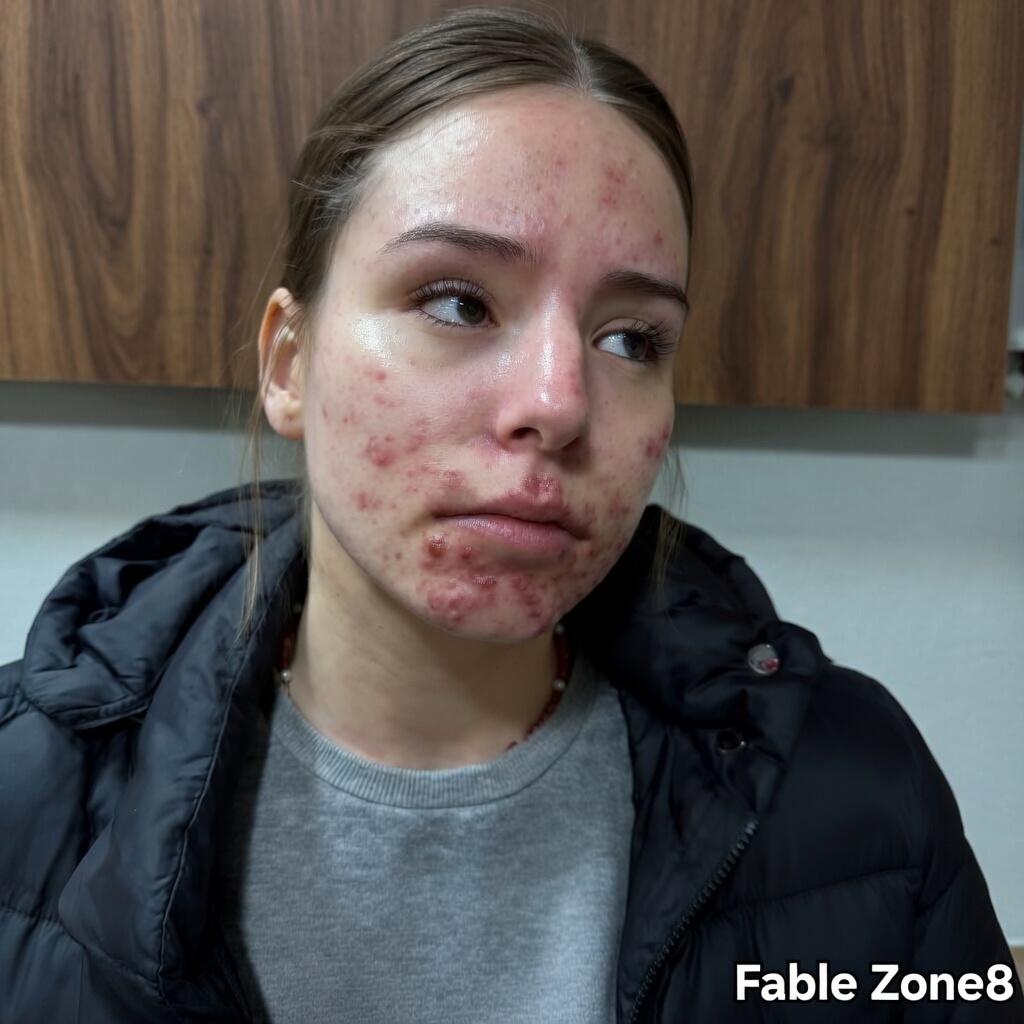
The young woman depicted in the image presents with severe inflammatory acne, a condition that affects countless individuals in their late teens and early twenties, particularly females. Her skin shows prominent redness, swelling, and clusters of painful pustules, nodules, and cysts scattered across the cheeks, chin, forehead, and nose. Severe acne is far more than a cosmetic inconvenience—it is a visible manifestation of intricate physiological processes that disrupt the normal functioning of the pilosebaceous units, the microscopic structures comprising hair follicles and sebaceous (oil) glands. For her, these breakouts are not merely skin-deep blemishes; they represent a chronic, sometimes exhausting interplay of hormones, genetics, diet, and lifestyle choices that have converged to keep her skin in a heightened state of inflammation.
Understanding severe acne requires looking at the mechanisms that lead to pimple formation. Pimples arise from a cascade of biological events beginning deep within the hair follicle. Overproduction of sebum, the natural oil meant to lubricate skin, combines with abnormal keratinization, the process by which dead skin cells are shed. Instead of sloughing off, these cells clump together, obstructing the follicle and forming a microcomedone, which is invisible to the naked eye. Microcomedones can develop into closed comedones (whiteheads) or open comedones (blackheads) as the obstruction expands. In these blocked follicles, the normally harmless Cutibacterium acnes bacteria thrive in the oxygen-poor environment, releasing inflammatory mediators and enzymes that rupture the follicular wall. The immune system responds with neutrophils and cytokines, producing the redness, swelling, pus, and deep lesions typical of severe acne. In chronic cases, such as with this young woman, these lesions recur frequently, sometimes leaving post-inflammatory hyperpigmentation or scarring, compounding both the physical and psychological impact.
Hormones play a pivotal role in acne development, especially in young women experiencing fluctuations in estrogen, progesterone, and androgen levels during puberty, menstrual cycles, or periods of stress. Androgens, particularly testosterone, bind to receptors in sebaceous glands, causing them to enlarge and secrete excess sebum. Insulin-like growth factor-1 (IGF-1), elevated by dietary intake of high-glycemic foods, further stimulates follicular cell proliferation and oil production. In some cases, underlying conditions such as polycystic ovary syndrome or subtle insulin resistance exacerbate this hormonal imbalance, resulting in persistent breakouts concentrated along the jawline and lower face, areas densely populated by hormone-sensitive sebaceous glands.
Genetics also significantly influence acne susceptibility. Variations in genes regulating sebum composition, immune responses, and keratinocyte turnover dictate why some individuals experience only occasional minor blemishes, while others develop severe, widespread inflammation. Environmental factors—such as pollution, UV exposure, inadequate sleep, and harsh skincare products—interact with these genetic and hormonal variables to increase oxidative stress, impair the skin barrier, and allow bacterial proliferation. In the young woman pictured, these combined factors create a “perfect storm,” keeping the skin in a cycle of inflammation and lesion formation that can seem relentless.
Diet has emerged as a critical modifiable factor in acne management. Scientific evidence links high-glycemic-index foods—refined carbohydrates such as white bread, pastries, sugary drinks, and certain cereals—to elevated insulin and IGF-1 levels. These hormones directly stimulate oil gland activity and keratinocyte proliferation, fueling the cycle of follicular blockage and bacterial overgrowth. Consumption of high-glycemic foods leads to rapid spikes in blood sugar, prompting insulin surges that exacerbate sebum production. At the same time, these foods decrease sex hormone-binding globulin, freeing more androgens to act on the skin. The result is more severe lesions, greater inflammation, and slower healing times.
Specific trigger foods intensify these effects. Dairy products, particularly skim milk, are associated with acne due to their hormonal content and amino acids that stimulate sebaceous lipogenesis and increase IGF-1 activity. Chocolate, especially sugar-laden varieties containing milk, delivers both a high-glycemic load and potential pro-inflammatory compounds. Fried and oily foods rich in saturated fats and omega-6 fatty acids contribute to an imbalance in skin surface lipids, promoting comedone formation and inflammatory responses. Even staple refined carbohydrates, such as white rice or white pasta, act similarly to sugar by increasing glycemic response and systemic inflammation. For the young woman in the image, repeated consumption of these foods likely perpetuates the cycle of irritation and breakout formation, despite adherence to topical skincare regimens.
Lifestyle factors complement dietary triggers. Chronic stress elevates cortisol, which can indirectly increase sebum production and compromise immune function, making inflammatory lesions more severe. Inadequate sleep reduces skin repair efficiency and promotes systemic inflammation, while excessive exposure to environmental pollutants generates free radicals that exacerbate oxidative stress within the skin. Skincare routines themselves, if overly harsh or reliant on pore-clogging products, can worsen inflammation rather than soothe it. The interplay of all these elements explains why some individuals, despite diligence, struggle with persistent and severe acne.
Management of severe acne requires a multi-pronged approach. Beyond medications or topical treatments, attention to diet and lifestyle is essential. Reducing high-glycemic foods, moderating dairy intake, minimizing fried or overly processed foods, and emphasizing a diet rich in vegetables, fruits, and anti-inflammatory compounds can help stabilize insulin and IGF-1 levels. Consistent hydration, adequate sleep, stress management, and careful selection of non-comedogenic skincare products support the body’s natural healing processes. In some cases, professional interventions—oral or topical retinoids, antibiotics, hormonal therapy, or prescription anti-inflammatory treatments—are necessary, but dietary and lifestyle adjustments enhance efficacy and reduce recurrence rates.
Importantly, understanding the mechanisms behind acne transforms it from a purely cosmetic concern to a holistic health issue. Educating patients about the links between diet, hormones, genetics, and lifestyle empowers them to make informed decisions. Recognizing triggers, implementing dietary modifications, and cultivating consistent habits create long-term benefits, not only for the skin but also for overall health. For the young woman depicted, addressing both visible symptoms and underlying physiological contributors offers hope for sustainable improvement, enhanced self-esteem, and reduced psychosocial stress.
In addition to internal factors, external hygiene practices are essential for management. Gentle cleansing routines help maintain the skin barrier without stripping protective oils, while topical agents containing benzoyl peroxide, salicylic acid, or retinoids target clogged pores and bacterial proliferation. Sun protection is critical, as UV-induced inflammation can exacerbate lesions and hyperpigmentation. Avoiding mechanical irritation—frequent touching, picking, or harsh exfoliation—prevents further trauma to already inflamed skin.
Research continues to explore the diet-acne connection in greater depth. Recent controlled studies suggest that low-glycemic diets, reduced dairy intake, and inclusion of antioxidants or omega-3 fatty acids can meaningfully reduce lesion count and severity. While individual responses vary, identifying personal triggers through structured dietary observation and professional guidance is one of the most practical, non-invasive strategies for long-term management.
Ultimately, severe acne is not a superficial problem; it reflects underlying biological, hormonal, and environmental complexities. By integrating science-based dietary choices, lifestyle modifications, and evidence-backed skincare routines, individuals like the young woman depicted can break the chronic cycle of inflammation and lesion formation. Early and sustained intervention improves both skin health and emotional well-being, emphasizing that acne is manageable when approached as a holistic condition rather than isolated to surface treatments.
For young women navigating the challenges of adolescence and early adulthood, understanding the root causes of acne provides both clarity and empowerment. Recognizing the influence of high-glycemic foods, dairy, hormonal fluctuations, and lifestyle factors fosters proactive measures that reduce lesion formation and support long-term skin health. Coupled with medical consultation, these strategies transform what might seem like an endless struggle into an actionable plan, offering relief, confidence, and an improved quality of life.
By addressing both visible symptoms and underlying physiological contributors, it becomes possible to restore balance to the skin’s ecosystem. Moderate dietary adjustments, stress management, and consistent self-care enhance treatment outcomes, demonstrating that while genetics set the stage, lifestyle choices influence the script. Understanding these interactions encourages informed decisions, allowing individuals to mitigate triggers, support natural repair mechanisms, and prevent unnecessary exacerbation of inflammation.
In conclusion, the severe acne displayed by the young woman reflects a multi-factorial condition involving hormonal imbalances, genetic predispositions, dietary triggers, and lifestyle stressors. Knowledge of these interconnected processes allows for strategic interventions that combine dietary awareness, skincare routines, and professional guidance. Empowered with this understanding, individuals can not only reduce the frequency and severity of lesions but also enhance confidence, self-image, and overall wellness, transforming a chronic skin condition from a source of distress into a manageable aspect of life with measurable, sustainable outcomes.