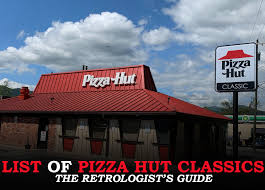
Pizza Hut’s announcement that it plans to close 250 underperforming U.S. locations in the first half of 2026 has sent a ripple of concern and curiosity through the restaurant industry and among longtime customers. For many Americans, Pizza Hut is more than a place to eat—it is a cultural landmark tied to childhood memories, family dinners, and a once-dominant presence in casual dining. The closures were confirmed during a recent earnings call by Yum! Brands, Pizza Hut’s parent company, as part of a broader strategic review of the brand’s performance. Executives framed the decision not as a retreat, but as a necessary recalibration in a rapidly changing food landscape. Still, the news highlights how dramatically consumer habits, competition, and economic pressures have reshaped even the most established restaurant chains.
Yum! Brands emphasized that the closures are a key element of the company’s “Hut Forward” turnaround plan, an initiative designed to stabilize and eventually reignite growth at Pizza Hut after years of declining relevance in the U.S. market. According to leadership, many of the locations slated for closure are older, underperforming dine-in restaurants that no longer align with how customers order food today. The plan focuses heavily on revitalizing marketing strategies, modernizing digital and ordering technology, and updating franchise agreements to better reflect current market realities. By pruning weaker locations, Yum! Brands aims to concentrate resources on stores with stronger performance potential and formats that better support delivery, takeout, and smaller footprints. The company has repeatedly stated that difficult decisions now are intended to preserve long-term brand health rather than signal an abandonment of the Pizza Hut name.
Despite the alarming headline, Yum! Brands has been careful to place the closures in context. Pizza Hut operates roughly 20,000 restaurants worldwide, meaning the 250 U.S. closures represent a relatively small fraction of its global footprint. International markets, particularly in Asia and parts of Europe, continue to perform more strongly than the domestic business. Executives have stressed that Pizza Hut remains a core brand within Yum!’s portfolio alongside Taco Bell, KFC, and The Habit Burger Grill. Still, the contrast between Pizza Hut’s struggles and the success of sibling chains is difficult to ignore. Taco Bell, in particular, has continued to post strong sales growth, driven by aggressive innovation, targeted marketing, and a brand identity that resonates with younger consumers.
The closures come after a period of measurable decline in Pizza Hut’s U.S. performance. In the fourth quarter of 2025, the chain reported a 3% drop in domestic same-store sales, a troubling figure in an industry where modest growth is often seen as a victory. This downturn stood in sharp contrast to the performance of competitors and sister brands, reinforcing concerns that Pizza Hut has lost momentum in its home market. Rising costs, increased competition from fast-casual pizza chains, and the dominance of delivery-focused brands have all contributed to the pressure. As consumers increasingly favor convenience, customization, and digital-first experiences, Pizza Hut’s traditional dine-in model has struggled to keep pace, especially in locations that have not been updated in years.
These challenges prompted Yum! Brands to initiate a formal strategic review in late 2025, openly acknowledging that Pizza Hut’s U.S. business was underperforming expectations. During that period, the company’s CEO publicly addressed the issues, noting that changes were necessary to reverse the trend. This transparency fueled speculation among analysts and investors about the long-term future of the chain, including the possibility of a sale, spin-off, or major restructuring if improvements failed to materialize. While Yum! Brands has not announced any plans to divest Pizza Hut, the review underscored how seriously the company views the situation. The 250 closures are now being interpreted as the first visible outcome of that review, signaling decisive action rather than prolonged uncertainty.
Ultimately, the closing of hundreds of Pizza Hut locations reflects broader shifts across the restaurant industry, where legacy brands are being forced to adapt or risk fading into irrelevance. Consumer expectations have changed, competition is fiercer than ever, and nostalgia alone is no longer enough to sustain growth. For employees and communities affected by the closures, the impact will be deeply personal and disruptive. For the brand itself, however, Yum! Brands is betting that a leaner, more focused footprint will provide the foundation for renewal. Whether the “Hut Forward” strategy succeeds remains to be seen, but the message is clear: Pizza Hut is at a defining crossroads, and the decisions made in 2026 may determine whether it regains its former strength or continues to struggle in an unforgiving marketplace.