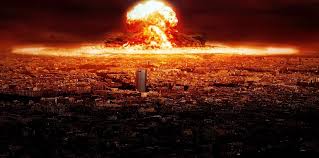
With global tensions rising and headlines increasingly shaped by war, military alliances, and nuclear rhetoric, many people are reluctantly asking a question that once felt unthinkable: where might safety exist if World War III were to erupt. The world today feels far from peaceful, and history has shown that conflicts rarely remain contained. Localized wars have a tendency to widen, pulling in allies, rivals, and entire regions through treaty obligations and strategic necessity. Ongoing violence, military posturing, and political instability across Europe, Asia, and the Middle East have fueled widespread anxiety, prompting governments and civilians alike to reconsider preparedness. Some European nations have already issued guidance on emergency supplies and civil defense, signaling that the possibility of large-scale conflict is being taken seriously. While such discussions are unsettling, they reflect a growing awareness that modern warfare would have global consequences, even for countries far removed from the initial flashpoints.
Despite these concerns, most experts agree on one sobering truth: absolute safety would be impossible in a true world war, especially one involving nuclear weapons. The interconnected nature of the modern world means economic disruption, radiation, climate effects, and refugee movements would reach nearly every corner of the globe. As many analysts bluntly state, no place would be entirely immune. However, this does not mean that all locations carry equal risk. Geography, political neutrality, population density, and distance from major military or industrial targets could significantly influence survival chances. Countries without strategic military importance, nuclear facilities, or large urban centers may face fewer direct threats. In this context, discussions about “safe places” are not about guaranteed protection, but about relative risk reduction in the worst-case scenario.
Geography plays a critical role in these assessments. Remote regions, particularly islands far from major continents, are often cited as more favorable due to their isolation and limited strategic value. New Zealand is frequently described as the ideal example of “where to escape when everything goes wrong.” Its distance from major powers, lack of nuclear weapons, strong food production capacity, and stable political system all contribute to its reputation. Similarly, parts of Australia, especially rural and inland areas far from major cities, are considered relatively safer due to low population density and self-sufficiency. Iceland is another location often mentioned, thanks to its isolation in the North Atlantic, absence of a standing army, and limited strategic targets. These places benefit from being geographically removed from likely theaters of war, reducing the chances of direct attack.
Political neutrality is another major factor when considering relative safety. Historically neutral countries such as Switzerland, Ireland, and certain Scandinavian nations are often viewed as less likely to be targeted, especially in the early stages of a conflict. Switzerland’s long-standing neutrality, mountainous terrain, and extensive civil defense infrastructure make it a unique case in survival planning discussions. Its network of shelters and preparedness culture reflects decades of Cold War planning. Ireland’s neutrality and lack of significant military infrastructure also reduce its strategic value, although its proximity to Europe means it would still face indirect effects. Countries like Chile and Uruguay in South America are sometimes included in such lists due to their distance from major global power struggles and relatively stable political environments.
Beyond islands and neutral states, sparsely populated regions with strong local resources may offer better resilience. Parts of Canada, particularly remote northern or rural areas away from major cities, are often cited due to abundant freshwater, low population density, and vast landmass. Similarly, regions of Patagonia in southern Argentina and Chile are considered relatively insulated because of their remoteness and limited military significance. Some analysts also mention Bhutan, a small Himalayan nation known for its isolation, limited strategic importance, and focus on internal stability. These areas are not immune to global fallout, but their distance from primary targets could reduce immediate danger and allow communities more time to adapt.
Ultimately, any discussion about the “top 10 safest places” during a hypothetical World War III must be approached with caution and realism. Such lists are speculative by nature and cannot account for the unpredictable dynamics of modern warfare, including cyberattacks, economic collapse, and environmental consequences. Even the most remote locations would likely experience shortages, disruptions, and long-term effects. Still, these conversations reveal a deeper human instinct: the desire to understand risk, prepare mentally, and seek reassurance in uncertain times. While no place can promise complete safety, factors like remoteness, neutrality, and self-sufficiency may improve chances of survival. More importantly, these discussions serve as a reminder of the immense cost of global conflict and the shared responsibility to prevent such a future from ever becoming reality.