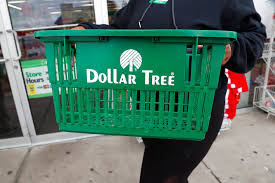
Walking into Dollar Tree has long been a comfort for millions of shoppers—familiar green signage, well-stocked aisles, and the promise that nearly everything costs just a single dollar. For families on tight budgets, seniors watching each penny, and anyone who has ever needed to stretch a few dollars a little farther, the store has been a haven. It was easy: you could fill your basket, do the math in your head, and trust you’d come out ahead. But in 2025, that sense of simplicity and reliability is shifting. The bargain-hunt atmosphere remains, but subtle changes now require every shopper to be more watchful, informed, and critical. The age of “everything’s a dollar” is over, and in its place is a new landscape where saving money at Dollar Tree means navigating a maze of rising prices, inconsistent store conditions, and even unexpected safety risks.
What first shook the foundation of Dollar Tree’s appeal was the move away from its iconic one-dollar price point. The initial increase to $1.25 was met with surprise and some grumbling, but many customers rationalized it as a necessary response to inflation and global supply chain issues. However, the price hikes didn’t stop there. In many stores, price tags now read $1.50, $1.75, or even higher for select items—often indicated by subtle red labels that blend in easily with the old signage. Shoppers who once breezed through the aisles now find themselves double-checking shelf tags, doing quick mental math, and sometimes feeling blindsided at the register when their total adds up faster than expected. While a few cents here or there may seem trivial, the cumulative effect—especially for those who rely on Dollar Tree for essentials—can be significant. The psychological comfort of a single price point has been replaced by a new kind of responsibility: bargain hunters must now become label hawks, scrutinizing every item for hidden markups.
Alongside price changes, store conditions have become a frequent source of complaint. Cluttered aisles, stacks of unopened boxes, and half-stocked shelves are now an increasingly common sight. Staffing shortages play a role, but the impact is felt most keenly by shoppers trying to navigate crowded stores or find basic necessities. What once felt like an efficient, reliable stop can now feel chaotic and unpredictable, with staple items missing, products in disarray, or lines growing long due to understaffed registers. For elderly shoppers, parents with children, or anyone with mobility challenges, the physical layout can turn a quick errand into an exhausting ordeal. This unpredictability undermines the planning and budgeting that many families depend on, making Dollar Tree less of a sure thing and more of a gamble.
Beyond the visible challenges of price and store upkeep, trust issues have begun to crop up in other, more personal ways. Reports of customers buying gift cards only to find them empty or unusable have raised concerns about the reliability of financial transactions at the register. While such incidents may be rare, they erode confidence in the brand’s promise of low-risk, straightforward shopping. Consumer advocates now recommend always checking gift card balances before leaving the store and being cautious when buying gift cards for others. Even a single mishap can sour a customer’s experience—especially for those who counted on Dollar Tree’s reputation for honest, transparent transactions. In a retail environment built on trust and predictability, even isolated lapses can have outsized effects on loyalty.
Perhaps most alarming are the recent food safety concerns that have surfaced at Dollar Tree locations. The FDA recently cited the chain for failing to promptly remove recalled food products, such as apple-cinnamon puree pouches linked to lead contamination. Investigations revealed that in some cases, recalled items remained on shelves for weeks after public warnings. For budget-conscious families who rely on Dollar Tree for affordable snacks and groceries, the episode was deeply unsettling. Food recalls are not unique to any one retailer, but the speed and thoroughness of a store’s response can make all the difference in customer confidence. The delays highlighted gaps in communication, training, or oversight that many shoppers never considered before. In a world where trust in food safety can never be taken for granted, these incidents have made many shoppers more cautious about what they put in their carts—no matter how low the price.
All these changes mean that shopping at Dollar Tree in 2025 is a fundamentally different experience than it was just a few years ago. The era of effortless bargains has faded; in its place is a retail environment that demands vigilance and adaptability. Shoppers are now wise to double-check price labels, inspect packaging and expiration dates, stay informed about recalls, and verify any financial transactions before leaving the store. The responsibility for value and safety has shifted from store to shopper, and those who wish to continue saving money must be prepared to do a little more research and exercise a little more skepticism. For some, the store still offers real savings on certain household goods—but the days of assuming that every item is a safe, simple, dollar-priced bargain are over.
Ultimately, Dollar Tree remains a vital resource for many Americans, but its role has evolved. The simplicity and predictability that once defined its brand have given way to complexity and a need for greater consumer awareness. The new rules of saving at Dollar Tree are clear: pay attention, ask questions, and don’t take shortcuts. In a time of rising costs and economic uncertainty, the store can still help you stretch your budget—but only if you’re willing to approach each visit with eyes wide open. The bargains are there, but so are the red flags, and the responsibility for navigating them now rests squarely on your shoulders.