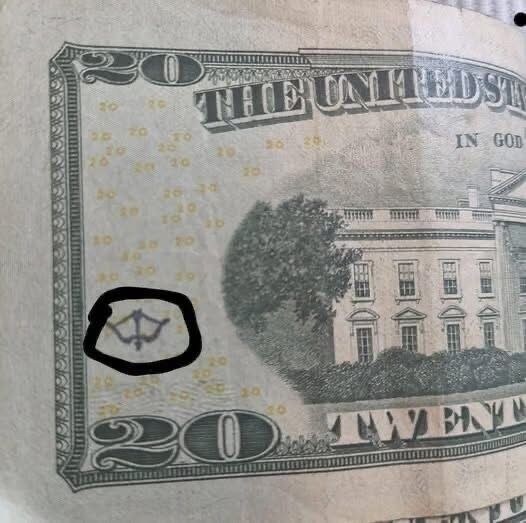
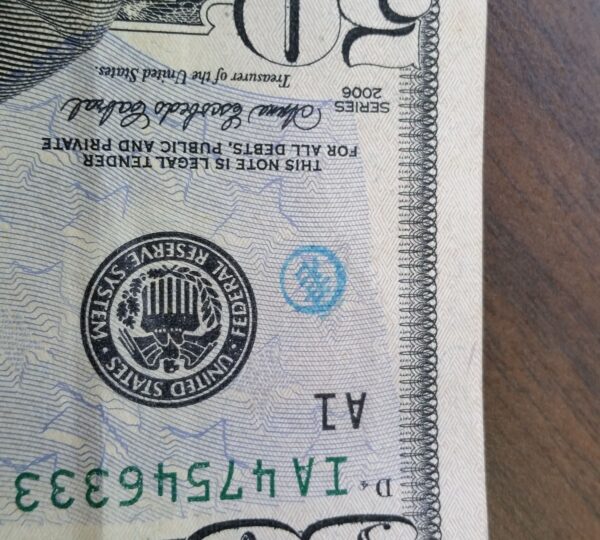
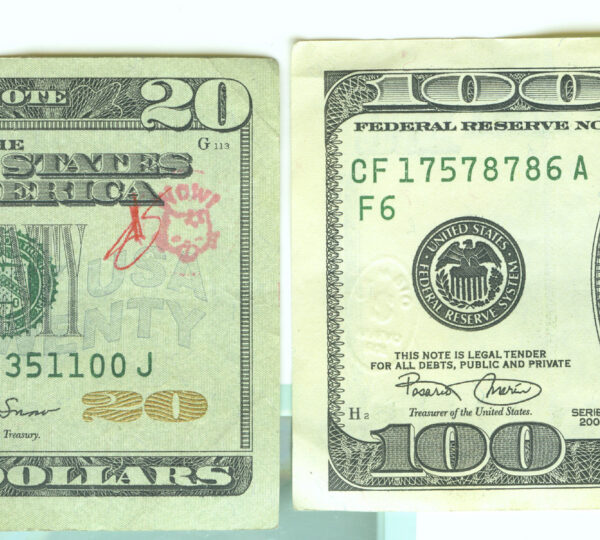
For most people, cash is a background character in daily life—a tool to be checked for denomination and quickly stashed away. Yet, for the observant, a closer look at a twenty-dollar bill, or any other U.S. currency, sometimes reveals something unexpected: a tiny, unusual symbol, a stamped figure, or a stray emblem in the margins. While some may mistake these for graffiti or signs of tampering, these mysterious marks often have a far richer story to tell. They are known as “chop marks,” and their origins, meaning, and endurance offer a remarkable window into the hidden networks of global trade, the complexities of trust, and the ingenuity of merchants across centuries.
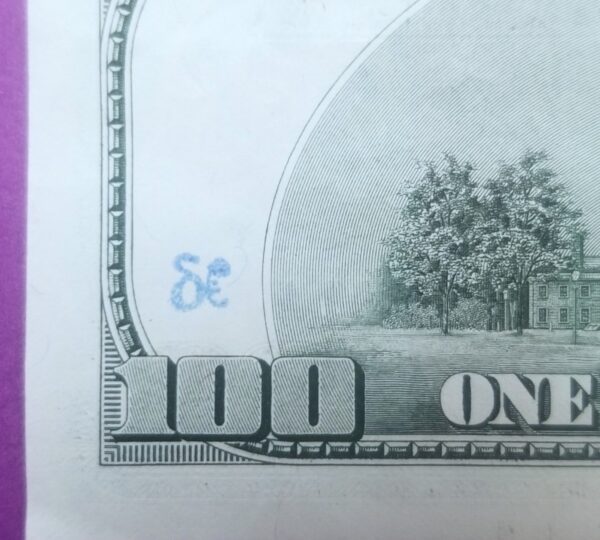
The practice of chop marking traces its roots back over a thousand years, to the bustling markets of ancient China. In an age before modern banks, credit cards, or standardized currency, merchants and traders faced the constant challenge of verifying the authenticity and value of coins made from precious metals. The risk of fraud, debasement, or counterfeit was ever-present. To solve this, they developed a decentralized system: after testing a coin’s weight and purity, a merchant would stamp it with a personal or company “chop”—a unique mark indicating their trust in its value. Over time, coins would accumulate these marks, each one a silent endorsement by a respected trader. The more chops, the greater the coin’s reputation, as each stamp represented another set of expert eyes that had vouched for it. This system allowed commerce to flow even in the absence of centralized oversight, establishing a network of trust that spanned continents.
As economies evolved and paper currency began to supplant metal coins, the chop mark tradition adapted. Paper money, being more easily counterfeited and circulated, posed new challenges. In regions where banking infrastructure lagged, merchants and money changers continued the tradition by stamping bills—usually with ink rather than an embossed mark—to signal that the paper had been examined and accepted as genuine. These practices became especially important as international trade flourished in the 19th and early 20th centuries. With the U.S. dollar emerging as a global currency, bills bearing chop marks began appearing in markets stretching from Shanghai to Singapore, from the bazaars of the Middle East to the trading houses of Latin America and Africa. In these regions, a marked bill was a passport of authenticity, its journey mapped in a constellation of symbols.
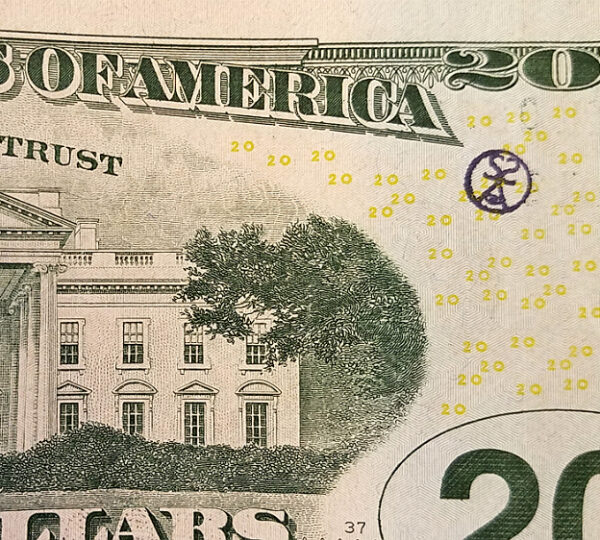
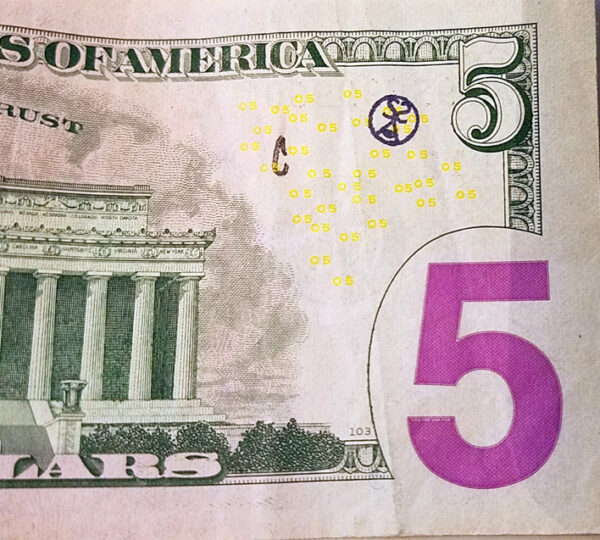
The designs of chop marks are as varied as the merchants who created them. Some are simple geometric shapes—a circle, a star, a bow and arrow—while others are stylized initials, miniature logos, or local script characters. The meaning, however, is almost always practical rather than cryptic: a chop mark is a badge of trust, proof that someone in the trade network has physically verified the bill. In parts of Asia, Africa, and Latin America, vendors, money changers, and even small businesses continue to apply these marks as a way to quickly communicate a bill’s legitimacy. A well-traveled U.S. bill might carry several such stamps, each a silent record of its acceptance by another participant in the global economy.
For the average American, a chop-marked bill is perfectly legal tender. Banks and businesses generally accept them without question, understanding that such marks do not diminish a bill’s value or legitimacy. In fact, for collectors and numismatists, these marks are often sought after, prized for the stories they tell. A single bill bearing multiple chops may have circulated through several countries and countless hands, its markings a cryptic map of global commerce and human connection. Some marks can even be traced to specific regions, time periods, or merchant houses, making them miniature artifacts of economic history.
Beyond their role in commercial verification, chop marks are cultural artifacts in their own right. They embody the ingenuity of societies that, lacking centralized institutions, developed their own means of ensuring trust and authenticity. In doing so, they reveal how commerce has always adapted to local needs, blending tradition and innovation to solve complex problems. The bow-and-arrow symbol or other marks on your $20 bill are not random or meaningless; they are signatures of trust, reminders that money is more than a medium of exchange—it is a social contract built on confidence and cooperation.
In an age dominated by digital payments, electronic verification, and anti-counterfeiting technology, the tradition of chop marking persists in certain corners of the world where cash remains king and human relationships still underpin the flow of commerce. These tiny marks, often overlooked, are living testaments to a legacy stretching back to the markets of ancient China—a legacy of trust, ingenuity, and quiet collaboration that continues to shape the way money moves through our hands and across the globe. The next time you notice an unusual symbol on your cash, pause and consider: it is more than a curiosity—it is a link to the hidden networks and timeless traditions that keep the world’s commerce in motion.