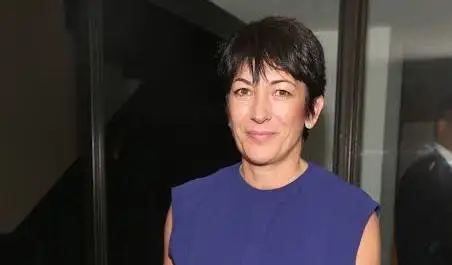
Ghislaine Maxwell, the convicted sex trafficker and former confidante of Jeffrey Epstein, has once again thrust herself into the center of public attention. Speaking from her Texas prison cell, Maxwell has issued a series of handwritten legal motions and public statements that, if true, would cast a shadow over the entire legacy of the Epstein investigation. Her latest claims are both startling and calculated: she alleges that at least 25 men who were allegedly central accomplices to Epstein’s crimes quietly struck secret deals with authorities, escaping the public disgrace and legal consequences she herself has faced. According to Maxwell, federal prosecutors and victims’ lawyers colluded to “bury the truth,” shielding not only powerful men but also certain staffers who, by her account, walked away untouched while she became the face of scandal.
Maxwell’s narrative is not merely an attempt to rewrite her own role in the notorious case; it is a direct challenge to the integrity of the legal process that brought her down. She insists that the real story is one of selective prosecution—a two-tier system in which she and Epstein were publicly destroyed, while other alleged co-conspirators quietly paid for silence and faded into obscurity. In her motion, Maxwell paints a portrait of a rigged system: names withheld, evidence concealed, and a coordinated effort to ensure that the full scope of culpability would never be publicly known. She points specifically to four named staffers who, despite their proximity to Epstein’s operations, emerged unscathed, and to a broader landscape of unnamed men whom she claims were deliberately protected by the very institutions meant to deliver justice.
These allegations arrive at a moment of heightened scrutiny for the U.S. government and its handling of the Epstein case. Legal mandates have forced authorities to begin releasing thousands of pages from the so-called Epstein archive—internal documents, correspondence, and investigative records that may hold answers to long-standing questions about who knew what and when. So far, only a fraction of the required materials have come to light, and each new release has sharpened public curiosity and doubt. For Maxwell, the timing is no accident: as the government is forced to revisit its own past decisions, she is weaponizing the question that has haunted the case from the beginning—who else participated, who else was protected, and who still remains in the shadows?
The government and attorneys for the victims have so far declined to comment directly on Maxwell’s claims. However, legal analysts point out that the Epstein case has always been riddled with secrecy, sealed settlements, and unexplained prosecutorial decisions. The infamous 2008 non-prosecution agreement, which granted immunity to some alleged co-conspirators in exchange for Epstein’s guilty plea to lesser charges, has been widely condemned as a miscarriage of justice. The slow pace of document release, combined with the sheer number of prominent figures linked to Epstein in flight logs, emails, and calendars, has fueled a persistent sense that the full truth remains hidden. Maxwell’s accusations, true or not, tap into a well of public mistrust and the belief that the powerful often escape real accountability.
From her cell, Maxwell is attempting to recast herself—not as Epstein’s unrepentant enabler, but as the woman left holding the entire bag while others walked free. This self-portrayal is unlikely to earn her much public sympathy, given the gravity of her conviction and the testimony of survivors. Yet the doubt she stirs cannot be easily dismissed. Every new allegation, every redacted document, every whisper of a secret deal adds another layer of complexity to a case already defined by its opacity. Maxwell’s motion, whatever its fate in court, ensures that the questions of complicity and protection will not fade quietly into history.
As the government continues to release documents and the world awaits further revelations, one thing is clear: the Epstein case remains an open wound, a symbol of how power, secrecy, and the failures of justice can intertwine. Maxwell’s latest claims, whether self-serving or grounded in fact, will only intensify demands for transparency and accountability. Her appeal may ultimately fail, but the doubts she has reignited are likely to linger—fueling public calls for a reckoning that, for now, remains unfinished.