
Our bodies are constantly communicating with us—sometimes in loud, unmistakable ways, but more often through subtle cues that can be easy to overlook. While we may be quick to brush off a strange ache, a fleeting tingle, or an unusual change in appearance, these signals can sometimes be our body’s way of alerting us to underlying health problems. Being able to recognize these early warning signs and respond appropriately is one of the most important steps we can take for our well-being. Quiet symptoms, when left unchecked, can become louder and more serious over time. Here are ten subtle signals your body might send when something is wrong, why they matter, and what you should do if you notice them—always remembering that no list replaces the advice of a qualified healthcare provider.

One of the first signals to pay attention to is a crawling or creeping sensation in your legs, especially at night or when you’re trying to fall asleep. This uncomfortable feeling, often accompanied by an urge to move your legs, may be a sign of restless leg syndrome (RLS). RLS is a chronic condition that affects millions, disrupting sleep and lowering quality of life. Although its exact cause isn’t always known, it can be associated with iron deficiency, nerve problems, or certain medications. If you notice this symptom, especially if it persists or worsens, it’s worth discussing with your doctor. Early recognition can help you find relief and address any underlying issues that might be contributing to your discomfort.
Muscle twitches and spasms are another common signal many people experience. These involuntary movements, which can occur in the thighs, calves, hands, arms, belly, ribcage, or feet, are often harmless and may be triggered by fatigue, dehydration, stress, or even too much caffeine. However, persistent or severe twitching can sometimes indicate nerve problems, mineral imbalances, or underlying conditions such as ALS or multiple sclerosis. Keeping track of when and where these twitches occur—and whether they’re accompanied by other symptoms—can help your healthcare provider pinpoint the cause and recommend the best course of action.

Some signals affect our senses more than our comfort. A white pupil, known as leukocoria, is a rare but serious sign that should never be ignored. Instead of appearing black, the pupil may look white in certain lights or photographs. This finding is more common in children but can also occur in adults. Leukocoria can be a symptom of several eye conditions, including cataracts, retinal detachment, or even tumors like retinoblastoma. Because some of these causes can threaten vision or even life, it’s crucial to see an eye doctor immediately if you notice a white reflex in the pupil—especially in children. Early detection can be sight- and life-saving.
Another subtle but important sign is white or bluish fingers, often triggered by cold or stress. This may be a symptom of Raynaud’s disease, a condition in which the small arteries supplying blood to the skin become narrowed, limiting blood flow to affected areas. During an episode, fingers (or toes) may turn white or blue and feel numb or cold. Raynaud’s is more common among women and people living in colder climates. While not always dangerous, it can be associated with autoimmune diseases and, in rare cases, lead to tissue damage. If you notice repeated episodes of color changes in your fingers or toes, talk to your healthcare provider about ways to manage symptoms and investigate possible underlying causes.
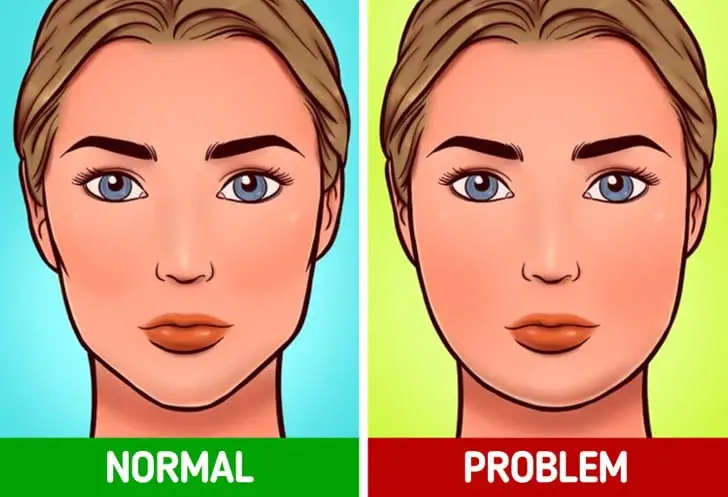
Facial swelling is another signal sometimes dismissed as minor or cosmetic, but it can be a sign of something more serious. A puffy face may result from injury, temporary pressure while sleeping, or mild allergies, but if the swelling is sudden, severe, or accompanied by other symptoms like difficulty breathing, it may indicate a serious allergic reaction (anaphylaxis) or infection. Chronic or unexplained facial swelling can also point to kidney, thyroid, or heart problems. If your face becomes swollen without clear cause, especially if it affects your neck or throat, seek medical attention promptly. Swelling that recurs often or doesn’t resolve after a day or two should also be evaluated by a professional.
Other subtle signals to watch for include unexplained fatigue, changes in skin color or texture, persistent headaches, and unexpected weight changes. Fatigue that doesn’t improve with rest can be a sign of anemia, thyroid problems, sleep disorders, or chronic infections. Jaundice—a yellowing of the skin or eyes—can signal liver problems, while new rashes or skin changes may indicate autoimmune issues or allergic reactions. Persistent headaches can be caused by everything from dehydration to high blood pressure or neurological disease. Sudden weight loss or gain, especially if unexplained, can be a sign of metabolic, hormonal, or even malignant conditions.

In each of these cases, the key is awareness. Listen to your body, trust your instincts, and don’t hesitate to reach out to a healthcare provider when something feels off. Early intervention is often the difference between a simple fix and a more complicated health journey. Equally important is being honest with yourself—don’t minimize or ignore symptoms out of fear or denial. Your body’s signals are there to help you, not to be brushed aside.
Remember, this information is for educational purposes only and should never substitute for professional medical advice. If you notice any of these signs—or any change in your body that you find concerning—seek guidance from your doctor or a qualified healthcare professional. Prevention and early detection are two of the most powerful tools we have for maintaining health and vitality. By paying attention to the subtle signals your body sends, you empower yourself to live a healthier, more vibrant life.
