Melinda French Gates has spoken publicly following the release of a new tranche of documents connected to Jeffrey Epstein that revived distressing allegations about her former marriage. The disclosures, released by the U.S. Department of Justice under the Epstein Transparency Act, include millions of pages of records and digital materials tied to Epstein’s network. Among them are references that have drawn renewed attention to Bill Gates, Melinda’s ex-husband, and to the years leading up to the couple’s 2021 divorce after 27 years of marriage. While the documents have fueled widespread discussion online, much of what they contain remains contested, incomplete, or unverified—underscoring the need for careful reading and restraint as the public processes their contents.

The most scrutinized claims stem from two unsent draft emails found in Epstein’s account, dated July 18, 2013, and apparently written by Epstein to himself. The messages, which were not addressed or confirmed as delivered, include allegations about sexually transmitted infections, antibiotics, and what Epstein described as facilitating inappropriate behavior. Because the emails were drafts and not correspondence sent to or from Bill Gates, their status and accuracy remain unclear. Nonetheless, their language has been widely circulated, often without context, contributing to renewed speculation about Gates’ past interactions with Epstein—interactions Gates has previously acknowledged while describing them as a “huge mistake.”
Bill Gates has long maintained that his contact with Epstein was limited to a small number of meetings focused on philanthropy, a claim he reiterated in interviews after Epstein’s death in 2019. He has said those conversations did not lead to any charitable collaboration and that he regrets spending any time with Epstein at all. Reporting over the years has shown that Epstein sought proximity to wealthy and influential figures, sometimes positioning himself as a broker for ambitious philanthropic projects. Whether those efforts ever progressed beyond discussion has been disputed, and the newly released materials do not, on their own, establish new verified facts—though they have undeniably reopened painful chapters for those connected to the story.
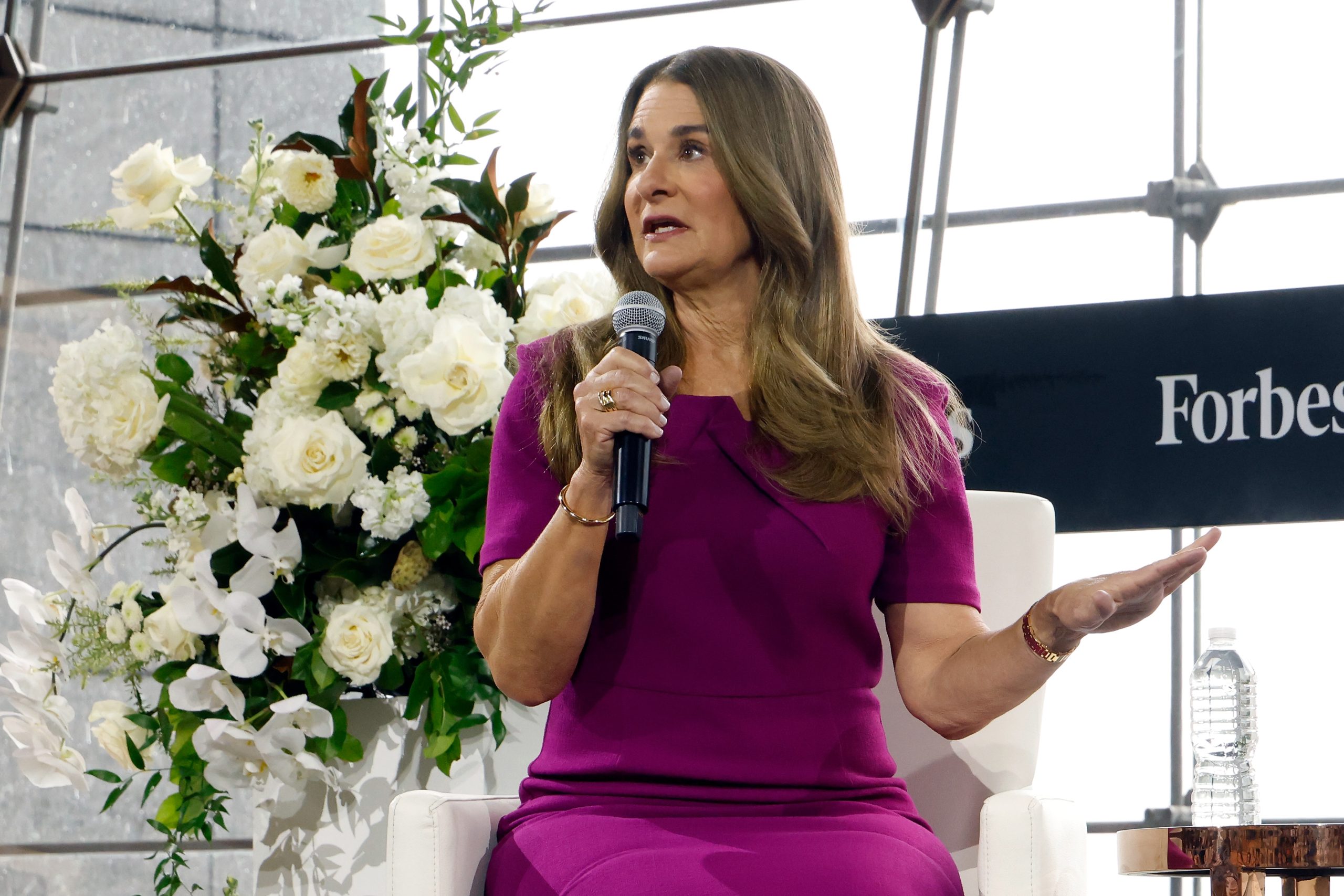
In an interview with NPR on February 3, Melinda French Gates addressed the emotional impact of seeing these allegations resurface. She described the experience as personally difficult, saying that renewed attention to the period brought back “very, very painful times” from her marriage. While acknowledging that unanswered questions may remain, she emphasized that any explanations or accountability related to the claims belong to those directly involved. “Those questions are for those people and for even my ex-husband,” she said, making clear that she does not see herself as responsible for answering allegations that do not center on her actions.Melinda also shifted the focus beyond her own experience, expressing what she called “unbelievable sadness” for the young girls and women who were abused by Epstein and others connected to him. She noted that while she has been able to move forward with her life, many survivors continue to live with the consequences of exploitation and trauma. By centering their experiences, she reframed the public conversation away from salacious detail and toward the broader moral reckoning still unfolding around Epstein’s crimes and the systems that enabled them.
The renewed scrutiny sparked by the document release illustrates how quickly unverified claims can dominate public discourse, especially when high-profile figures are involved. Drafts, allegations, and partial records can generate powerful narratives even in the absence of confirmation, amplifying harm and confusion. As investigations, reporting, and legal processes continue, the moment serves as a reminder of the importance of accuracy, context, and compassion—particularly for survivors and for families navigating painful histories under intense public attention. For Melinda French Gates, breaking her silence was not about litigating rumors, but about acknowledging personal pain while affirming that justice and accountability should remain focused where they matter most.