Chicago faced a grim start to September as the city recorded at least 54 shooting victims, seven of whom died, over the Labor Day weekend. The fatalities included two women, three men, and two individuals whose identities had not been confirmed. Police reports indicated that the shootings largely appeared unconnected, reflecting an ongoing pattern of random, often neighborhood-specific violence. Despite the alarming numbers, authorities said that few arrests had been made, leaving communities anxious and investigations scattered across multiple districts. For residents, the holiday weekend underscored the city’s persistent struggle with gun violence—a challenge that continues to dominate headlines even as preventative programs attempt to intervene.
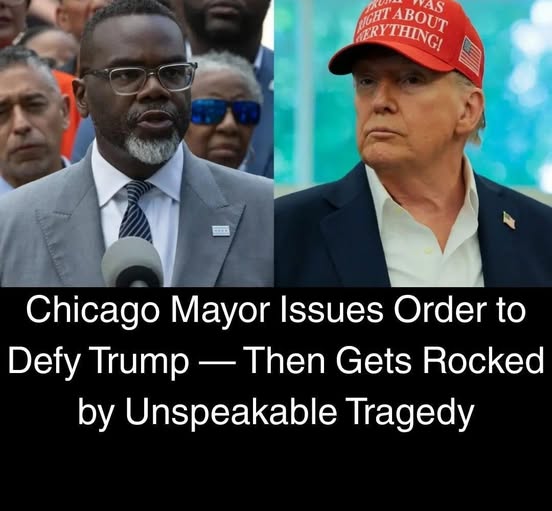
In a move that intensified political tensions, Mayor Brandon Johnson signed an executive order barring Chicago police from cooperating with federal authorities. The order directly countered former President Donald Trump’s push to deploy federal agents or National Guard troops in cities experiencing high rates of violent crime. Mayor Johnson emphasized that his decision aimed to protect local autonomy and maintain community trust, arguing that safety strategies should be developed collaboratively with residents rather than imposed by Washington. “Chicago’s safety strategy will be built with its residents, not imposed from Washington,” he said, framing the issue as both a practical and symbolic assertion of city control.
The federal response was swift and pointed. White House officials accused Democratic leaders of politicizing crime, asserting that inaction on local levels justified federal intervention. Trump himself declared his intention to act regardless of city consent, promising federal deployments in Chicago and other high-crime cities. This public standoff between local and federal authorities highlights a recurring tension over jurisdiction and authority in urban public safety, reminiscent of disputes during prior administrations. Both sides frame their positions as morally and politically necessary, leaving Chicagoans caught in the middle of a national debate over strategy, sovereignty, and responsibility.
The city’s homicide data paints a sobering picture. With 272 homicides recorded so far this year, Chicago remains among the deadliest cities in the United States, despite a slight year-over-year decrease. Local authorities and community organizations continue to advocate preventive approaches, such as youth programs, employment initiatives, and conflict mediation, aimed at addressing the root causes of violence. However, critics warn that political wrangling over federal intervention risks overshadowing these critical efforts. The immediate human toll—the families affected by each shooting—cannot wait for jurisdictional debates to conclude, underscoring the urgency of coordinated action.
Community leaders emphasize the emotional and social impact of ongoing violence. South Side advocates note that residents do not prioritize political ideology over personal safety. “Every weekend like this represents families torn apart,” one community leader said. This perspective draws attention to the lived reality behind the statistics: the fear, grief, and disruption that shootings impose on neighborhoods. As federal and local authorities argue over strategy, the day-to-day reality of violence persists, reinforcing calls for solutions that integrate law enforcement, social programs, and community engagement rather than relying solely on political showmanship.
As investigations continue into the Labor Day weekend shootings, Chicago remains caught between competing visions of public safety. Federal intervention promises immediate enforcement and oversight, while local strategies emphasize trust, prevention, and tailored programs. Both approaches carry risks and benefits, but the central question remains constant for residents: how to halt the cycle of violence and restore a sense of security to a city still struggling with persistent gun-related tragedy. The Labor Day weekend bloodshed serves as a stark reminder that Chicago’s challenges require more than political posturing—they demand urgent, coordinated, and sustained solutions.