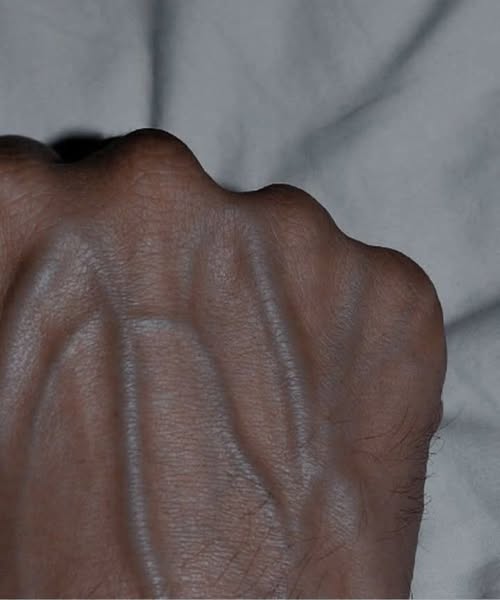
Seeing veins prominently on your hands can be surprising, especially when social media or clickbait posts suggest they are a warning sign for something serious. Many headlines deliberately cut sentences short—“If your veins are visible… it’s a signal of ca—”—prompting your brain to fill in a frightening conclusion, usually about cancer or disease. In reality, visible veins on the hands are almost always normal and rarely indicate any serious health condition on their own. Vein prominence is influenced by a combination of natural body characteristics, lifestyle factors, and environmental conditions rather than a hidden illness.
One of the most common reasons veins appear more noticeable is low body fat. Fat under the skin acts as a natural layer that conceals blood vessels, so lean individuals, athletes, and those with minimal subcutaneous fat often see their veins more clearly. Age also plays a significant role. As we get older, skin naturally thins and loses elasticity, allowing veins to sit closer to the surface. This is particularly evident on the hands, where the skin is thinner than on other areas of the body. Genetics also determine vein visibility: some people are naturally predisposed to prominent veins if their parents or family members have them. This trait is entirely normal and not indicative of disease.
Environmental and physical factors temporarily enhance vein visibility. Heat and physical activity cause blood vessels to expand, making veins more pronounced. Exercise increases blood flow and vascular pressure, which can make veins bulge for hours after a workout. Even minor dehydration can temporarily exaggerate vein appearance, though this usually resolves once fluids are replenished. Together, these natural effects explain why your veins might look more visible at certain times of the day or under specific conditions, without signaling any underlying health problem.
Despite widespread myths, visible veins almost never mean cancer, toxin buildup, heart failure, or poor circulation on their own. There are no medical guidelines suggesting that vein prominence alone warrants concern. Doctors rely on a range of signs, symptoms, and diagnostic tests rather than superficial appearance to assess health risks. Misinterpreting vein visibility can lead to unnecessary anxiety and stress, highlighting the importance of understanding normal variations in human anatomy.
However, there are scenarios where medical evaluation is warranted. Sudden swelling, redness, warmth, tenderness, or veins that change rapidly in appearance may indicate an underlying vascular or inflammatory issue. Other symptoms such as unexplained weight loss, persistent fatigue, or pain alongside changes in veins should also prompt a visit to a healthcare professional. In these situations, a doctor can determine whether the issue is benign or requires treatment. Otherwise, visible veins alone are a harmless and common part of the human body.
Understanding why veins appear and what factors influence their visibility empowers individuals to distinguish normal variations from potential health concerns. Skin thickness, genetics, body composition, temperature, activity level, and hydration all play a role. For most people, seeing veins more clearly is simply a cosmetic observation rather than a warning. By focusing on additional symptoms and overall health rather than superficial appearance, individuals can reduce unnecessary worry and maintain perspective. Visible veins, in other words, are often a normal part of life—a harmless reminder of the body’s intricate vascular system rather than a cause for alarm.