Small red dots on the skin often attract immediate attention because the skin is one of the most visible mirrors of internal and external changes in the body. Even tiny marks can feel unsettling, especially when they appear suddenly or without an obvious explanation. Human instinct tends to associate unexpected skin changes with illness, creating anxiety before understanding has time to catch up. In reality, the skin responds quickly to countless influences—pressure, temperature, friction, stress, immune reactions, and natural aging among them. Most red dots are not dangerous, and many represent temporary or benign changes rather than medical emergencies. Learning to approach these signs with calm observation instead of fear allows the body’s messages to be interpreted more accurately, reducing unnecessary worry while still respecting the importance of genuine warning signs.
The skin functions as a dynamic barrier and communication system, constantly reacting to the world around it and to internal physiological shifts. Minor irritation from clothing, prolonged sitting, physical exertion, or environmental heat can all lead to tiny red marks that fade on their own. As people age, the skin becomes thinner and more delicate, making small blood vessels easier to see and more likely to react to pressure or strain. Stress hormones can influence circulation and immune responses, sometimes causing temporary redness or spots that resolve once balance returns. These everyday factors often explain why red dots appear sporadically and disappear just as quietly. Understanding that the skin is adaptive rather than fragile can help reframe these marks as normal responses rather than signs of immediate danger.
One commonly discussed cause of small red dots is petechiae, which are tiny, flat red or purplish spots caused by the breaking of very small blood vessels beneath the skin. Petechiae often appear after activities that increase pressure in the body, such as heavy lifting, intense exercise, persistent coughing, vomiting, or even forceful sneezing. Because they do not blanch when pressed, they can look dramatic and alarming at first glance. In most cases, however, they are harmless and fade naturally as the body reabsorbs the leaked blood. Petechiae may also appear after minor trauma that goes unnoticed or as a temporary reaction to certain medications. While their appearance can be startling, they are usually only a concern when they occur alongside other symptoms like fever, widespread bruising, or unexplained fatigue.
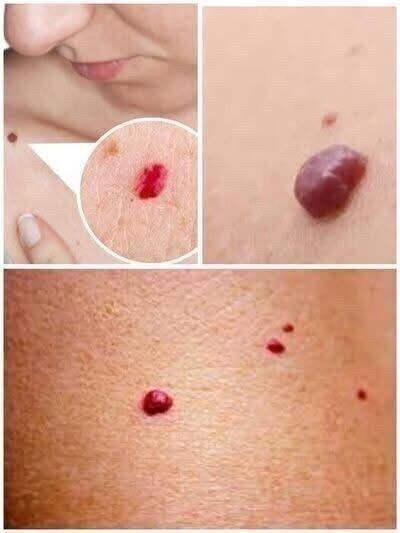
Another frequent and entirely benign cause of red dots is cherry angiomas. These are small, raised, bright red bumps formed by clusters of tiny blood vessels and are especially common with increasing age. Cherry angiomas can appear anywhere on the body and often increase in number over time, particularly after the age of thirty or forty. They are painless, noncancerous, and do not require treatment unless they bleed or cause cosmetic concern. Many people notice them suddenly, even though they may have been developing gradually. Because they are vividly colored, they tend to draw attention, but medically they are considered a normal variation of the skin rather than a sign of disease. Recognizing cherry angiomas for what they are can prevent unnecessary alarm and medical anxiety.
Red dots can also arise from inflammatory or reactive conditions such as heat rash, allergic responses, keratosis pilaris, or mild viral illnesses. Heat rash occurs when sweat ducts become blocked, leading to small red or pink spots often accompanied by itching or discomfort, especially in warm or humid conditions. Allergic reactions may produce scattered red dots or patches as the immune system responds to an irritant, food, medication, or environmental allergen. Keratosis pilaris, a common and harmless condition, creates small rough bumps that can appear red or pink, particularly on the arms or thighs. Mild viral infections may temporarily trigger small red spots as part of the body’s immune response. These causes are typically self-limiting and improve once the underlying trigger is removed or the body recovers.
Although most red dots are harmless, there are situations where medical evaluation is important. Red spots that spread rapidly, change shape, bleed without injury, or appear alongside symptoms such as fever, persistent fatigue, unexplained bruising, or pain warrant professional attention. In rare cases, widespread red dots may signal infections, blood clotting disorders, or other systemic conditions that require prompt diagnosis. Context is essential—when the skin change occurs, how quickly it develops, and what other symptoms accompany it often matter more than the appearance of the spots alone. Paying attention to patterns rather than isolated marks helps distinguish between normal skin behavior and signs that deserve further investigation. Seeking medical advice in uncertain cases is not a sign of overreaction but a form of informed self-care.
Ultimately, small red dots on the skin are most often neutral messages rather than urgent warnings. The body communicates continuously, and the skin is one of its most expressive surfaces. By learning to observe changes calmly, considering lifestyle factors, recent activities, and overall well-being, it becomes easier to interpret what the skin is signaling. This balanced approach reduces anxiety while preserving vigilance for genuine concerns. Awareness, rather than fear, supports better health decisions and fosters trust in the body’s ability to adapt and heal. When combined with professional guidance as needed, this understanding turns skin changes into sources of information instead of sources of distress.