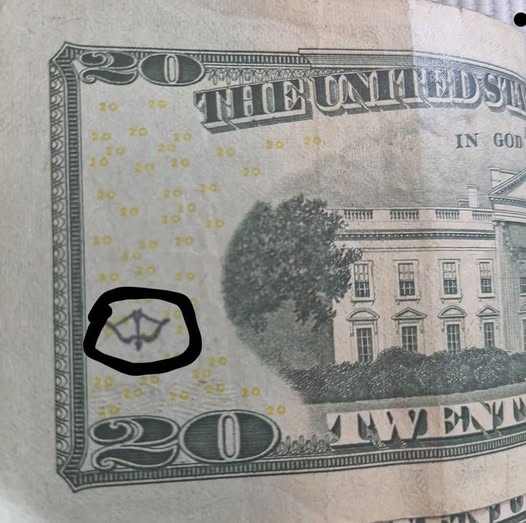
Have you ever noticed unusual symbols, small stamps, or subtle ink markings on U.S. dollar bills and wondered what they mean? At first glance, these additions can seem mysterious or decorative, but they serve a practical purpose rooted in history and global commerce. These markings, commonly referred to as chop marks, are applied to currency primarily outside the United States, where the dollar circulates widely. Each mark tells a story, indicating that the bill has been handled, inspected, and verified by money exchangers or merchants, creating a visible record of authenticity and trust in regions with limited access to formal banking verification systems.
Chop marks have a long tradition that predates modern paper currency. Historically, in China, merchants stamped silver coins to confirm weight and purity before trade. This simple act of verification built trust between buyers and sellers in markets that lacked formal oversight. Over time, the concept extended to paper money, and the widely circulated U.S. dollar became a prime candidate for such markings. Traders, bankers, and money changers in Asia, Africa, and parts of Latin America began applying small stamps or symbols to the bills, including designs like bows and arrows, initials, or abstract motifs. These stamps functioned as seals of authenticity, reassuring the next handler that the bill had been examined and deemed genuine.
The bow and arrow symbol, along with other marks, serves multiple purposes in currency circulation. First, it signals authenticity, which is crucial in areas where counterfeit bills may be a concern. Second, it builds trust between successive users, creating a chain of verification that simplifies trade in busy marketplaces. Third, it acts as an informal record of the bill’s journey, showing how far it has traveled and through how many hands it has passed. Unlike formal bank endorsements, these marks are typically unobtrusive, placed so as not to interfere with essential features such as serial numbers, seals, or security threads.
While chop marks can provide insight into the global flow of money, they also illustrate cultural variations in currency handling. Each region may develop unique stamp designs or conventions, turning bills into miniature historical records. Traders might use symbols that are meaningful locally or universally recognized, such as arrows, stars, or simple initials. The choice of symbol—whether a bow and arrow or another motif—reflects a blend of tradition, practicality, and artistry, highlighting the intersection of commerce, culture, and human ingenuity.
Although heavily marked bills can occasionally face challenges—such as being rejected by vending machines or certain banking systems—U.S. regulations generally permit minor stamps that do not deface or compromise the bill’s usability. In this sense, chop-marked currency remains legal tender while carrying an additional layer of information: a visual testament to the ways money moves, interacts, and gains history beyond the borders of the United States. Collectors and curious observers often appreciate these bills not just as currency but as evidence of trade networks and cultural exchange.
Ultimately, the bow and arrow or other chop marks on U.S. currency provide a window into the hidden life of money in the global economy. They reveal patterns of trust, highlight informal verification systems, and document the circulation of cash across countries and markets. Each marked bill is more than just a medium of exchange—it is a tangible record of human interaction, commerce, and the rich, sometimes surprising, journey that paper money can take long after it leaves American wallets. Observing these symbols offers a small but fascinating glimpse into the intersection of finance, culture, and history, turning ordinary bills into storytelling artifacts that bridge continents and generations.