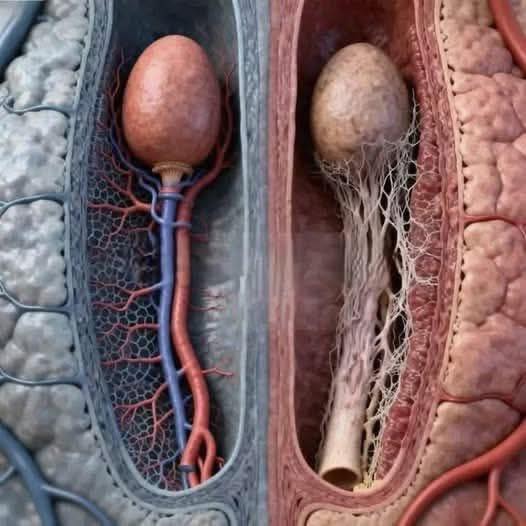
Silent filters of life, the kidneys work continuously without recognition, shaping health in ways most people rarely pause to consider. Every day, they respond instantly to what we eat, drink, and do, adjusting fluid levels, filtering waste, and maintaining internal balance with remarkable precision. Unlike organs that announce distress with pain or immediate dysfunction, the kidneys carry out their work quietly, creating the illusion that everything is fine even as strain accumulates. This silence is both their strength and their greatest vulnerability. When functioning well, they support energy, mental clarity, and resilience. When neglected, damage can progress unnoticed, influencing not only individual health but also placing long-term strain on families, communities, and healthcare systems worldwide.
Throughout human history, the body has been understood as a coordinated network of systems designed to sustain life with minimal conscious oversight. Among these systems, the kidneys stand out for their efficiency and adaptability. They filter the entire blood supply multiple times each day, removing toxins, regulating fluids, and managing minerals essential for nerve function, muscle contraction, and heart rhythm. Beyond filtration, they play a key role in controlling blood pressure and stimulating red blood cell production through hormone regulation. Because these processes occur automatically, kidney health is often taken for granted. Yet this lack of awareness has consequences. Kidney disease typically develops slowly and painlessly, allowing significant damage to occur long before symptoms emerge. By the time fatigue, swelling, or changes in urination become noticeable, kidney function may already be substantially reduced.
The kidneys perform a delicate balancing act that depends on millions of microscopic filtering units working in harmony. These structures remove waste while retaining vital nutrients, maintain electrolyte balance, and stabilize the body’s acid–base environment. Healthy kidneys are remarkably resilient, capable of adapting to fluctuations in diet, hydration, and activity. However, this adaptability has limits. Excessive salt intake increases fluid retention and blood pressure, forcing the kidneys to work under constant strain. High sugar levels damage the tiny blood vessels that support filtration, while chronic inflammation gradually weakens kidney tissue. Because the body compensates so effectively, function can decline quietly for years, creating a dangerous gap between damage and detection.
Modern lifestyles place unprecedented pressure on kidney health. Diets high in processed foods deliver large amounts of sodium and refined carbohydrates, offering little nutritional benefit while increasing workload. Dehydration has become increasingly common as water consumption declines in favor of sugary or caffeinated beverages, concentrating waste in the bloodstream. Physical inactivity contributes to weight gain, insulin resistance, and hypertension, all of which directly affect kidney function. Chronic stress further disrupts hormonal systems closely tied to fluid balance and blood pressure regulation. Together, these factors slowly erode kidney resilience, often without drawing attention until damage is advanced.
High blood pressure and elevated blood sugar are among the most serious threats to kidney health precisely because they often develop without obvious symptoms. Hypertension damages the delicate blood vessels within the kidneys, while poorly controlled diabetes scars the filtration units themselves. Many people assume kidney disease is an issue reserved for older age, delaying screening and preventive care. In reality, younger adults are increasingly diagnosed with early-stage kidney damage linked to long-term lifestyle habits. Medication misuse adds another layer of risk. Frequent or unsupervised use of common painkillers can reduce blood flow to the kidneys and damage tissue, particularly when combined with dehydration. Early warning signs such as persistent fatigue, subtle swelling, or changes in urination are often dismissed, allowing damage to progress.
Ultimately, prevention remains the most effective protection for these silent filters of life. Consistent hydration, balanced nutrition, regular physical activity, careful monitoring of blood pressure and blood sugar, and responsible medication use all help preserve kidney function. Routine medical check-ups enable early detection, shifting care from crisis response to long-term preservation. By paying attention to the kidneys before they fail, individuals protect far more than a single organ. They safeguard energy, independence, and quality of life across decades. In honoring these quiet organs, we acknowledge that health is sustained not only by dramatic interventions, but by steady care for the systems that work hardest while asking the least.