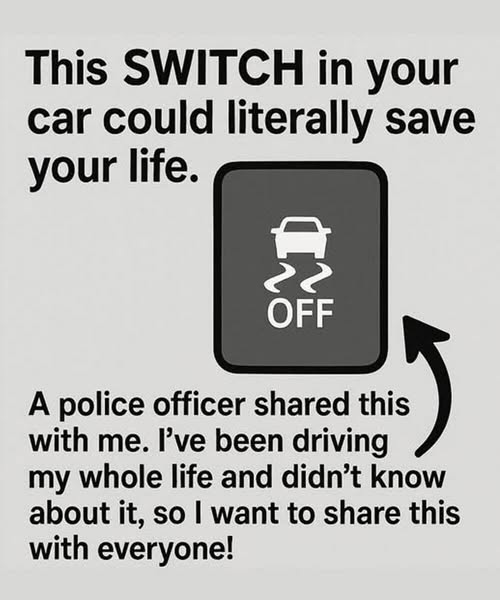
For many people, the earliest memories of driving are shaped by tension and uncertainty. Hands clenched on the steering wheel, eyes darting between mirrors, and a constant fear of making a mistake can turn even short trips into emotional tests. While experience softens those nerves over time, they never disappear completely. Even the most confident drivers can feel unease when traffic becomes aggressive, weather conditions worsen, or unpredictable motorists appear without warning. Driving places us in shared spaces where control is partial at best, and that reality has driven decades of innovation aimed at protecting human life. Modern vehicles are no longer just machines for transportation; they are increasingly complex safety systems designed to anticipate human error, compensate for lapses in attention, and provide support in moments of panic or crisis.
Some of the most familiar safety features operate so routinely that drivers barely notice them anymore. Seatbelt reminders chime persistently, dashboard warnings flash when doors are ajar, and sensors alert us to obstacles we may not see. These features can feel annoying or intrusive, yet they exist because data consistently proves their effectiveness. Automakers design these systems not for convenience, but for survival. Over time, safety technology has evolved from basic protective measures into a layered defense strategy that includes airbags, crumple zones, collision alerts, lane assistance, and automatic braking. Each advancement reflects an understanding that humans are imperfect and that even a momentary lapse can have devastating consequences. Still, beyond these well-known systems lies another category of protection—features that are rarely discussed, seldom demonstrated, and often forgotten until they are desperately needed.
One such feature is the emergency trunk release, a small mechanism hidden inside the trunk of many modern vehicles. Originally mandated to prevent tragic incidents involving children trapped inside trunks, this release has broader implications in emergency scenarios. In rare but frightening situations—such as vehicle submersion, electrical failure, or doors rendered inoperable after a collision—reaching the trunk through fold-down back seats may provide an alternative escape route. The release handle, often glow-in-the-dark, allows the trunk to open from the inside without external power. While these scenarios are uncommon, emergencies by nature are unpredictable. In moments where panic narrows thinking and options vanish quickly, having even one additional exit can mean the difference between survival and tragedy. Knowledge of this feature transforms it from an obscure design detail into a potential lifeline.
Another overlooked element of vehicle safety lies in a component most drivers take for granted: the headrest. Designed primarily to support the neck and reduce whiplash during rear-end collisions, headrests also contain sturdy metal posts anchoring them to the seat. In some emergency situations, these posts can be used to break a window if doors are jammed and conventional exits are blocked. While this method is not universally applicable—modern laminated windows and tightly fitted headrests may limit its effectiveness—the concept highlights a broader truth about safety: understanding the tools already around you expands your capacity to respond under pressure. Emergency responders train extensively to improvise with available resources, and drivers benefit from adopting a similar mindset. Familiarity with your vehicle’s structure can turn ordinary components into problem-solving tools when seconds count.
However, it is important to recognize that technology alone cannot eliminate risk. Safety features are not substitutes for responsible driving habits; they are reinforcements. Awareness, preparation, and caution remain the foundation of road safety. Avoiding distractions, maintaining safe following distances, adapting to weather conditions, and staying mentally present behind the wheel reduce the likelihood that emergency features will ever be needed. Complacency is often the most dangerous factor on the road, creeping in when familiarity replaces attentiveness. Safety systems are designed to intervene when things go wrong, but the goal is always prevention. The most advanced technology is still limited by the decisions of the person in the driver’s seat.
Ultimately, one of the most powerful safety practices is simply knowing your vehicle. Reading the owner’s manual, exploring features you may never use, and understanding how systems behave under stress builds confidence and preparedness. This knowledge reduces panic and replaces it with clarity when unexpected situations arise. Cars today are filled with thoughtful engineering meant to protect life, much of it hidden in plain sight. By taking the time to learn what your vehicle can do—not just how to drive it—you equip yourself with more than transportation. You gain awareness, resilience, and options. On the road, where circumstances can change in an instant, that knowledge can be as valuable as any safety feature ever designed.