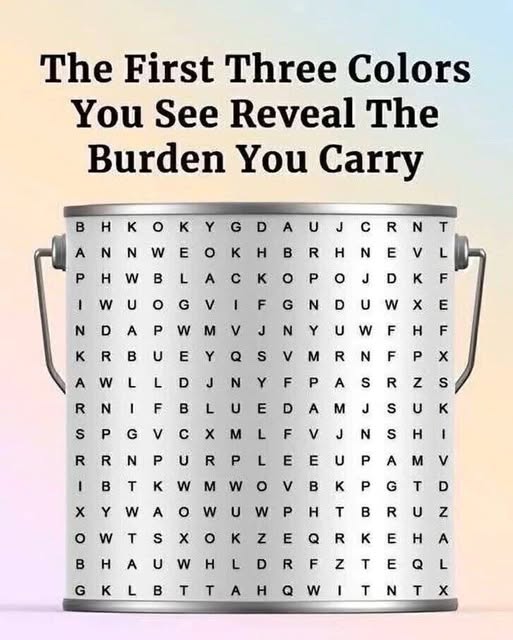
Colors speak before we do. Long before language takes shape, before thought fully forms, color reaches us through instinct and sensation. It moves faster than reason, slipping directly into memory, emotion, and mood. A room can feel heavy or comforting within seconds of entering it, a piece of clothing can make us feel confident or invisible, and a single shade can evoke nostalgia, longing, or unease without explanation. While many people describe color as a matter of taste—liking blue, avoiding yellow, preferring black—these preferences are rarely random. They often reflect inner states we have not yet named, emotions we may not fully understand, and psychological needs seeking expression. Color becomes a silent vocabulary through which the mind communicates with itself.
Red is one of the most emotionally charged colors in the human experience. It is associated with passion, urgency, power, desire, and vitality. Across cultures and centuries, red has been linked to blood, fire, love, danger, and survival. When someone is drawn to red, it can signal confidence and assertiveness, but it may also point to restlessness or emotional hunger. People often gravitate toward red during periods of fatigue, stagnation, or emotional suppression, as if the color itself can reignite intensity. Red stimulates the nervous system, quickens the pulse, and demands attention. It does not allow retreat. At the same time, an aversion to red can be just as revealing, suggesting discomfort with confrontation, strong emotions, or exposure. Whether embraced or avoided, red often reflects our relationship with intensity—how much of it we crave and how much we fear.
Blue offers a different psychological landscape. It is widely associated with calm, stability, trust, and clarity. The sky and the sea have long made blue a symbol of vastness and continuity, and many people turn to it for a sense of emotional grounding. Blue can soothe anxiety, encourage reflection, and create a feeling of safety. Yet an attachment to blue may also suggest withdrawal or emotional distance. It can reflect a desire to slow down, to protect oneself from overwhelm, or to find peace in solitude. In moments of loneliness or emotional exhaustion, blue often becomes a refuge. It does not demand attention the way red does; instead, it invites quiet. The balance between comfort and isolation within blue reveals how closely color is tied to emotional regulation and self-preservation.
Purple occupies a liminal space between extremes. Created by blending red and blue, it carries both intensity and calm, passion and restraint. Historically associated with royalty, spirituality, and mysticism, purple often appears during periods of transformation. People are frequently drawn to it when they are questioning identity, redefining purpose, or navigating emotional transitions. Purple reflects introspection, imagination, and the desire to understand deeper meaning. It can signal healing, creativity, or spiritual curiosity, but it can also suggest emotional complexity and ambiguity. Purple rarely emerges during periods of emotional simplicity. Instead, it often marks moments when life feels layered, uncertain, and quietly shifting. It becomes a visual expression of inner change, long before that change is articulated.
The human brain responds to color instantly and involuntarily. Neuroscience shows that color can influence heart rate, hormone release, attention, and mood within milliseconds. Light tones can lift or energize, while darker shades can ground or conceal. What we wear affects not only how others perceive us, but how we perceive ourselves. A bright color may make someone feel visible and confident, while darker hues can offer protection or anonymity. Cultural context deepens these effects. White may symbolize purity and renewal in some cultures, while representing mourning and loss in others. Black can signify elegance, authority, grief, or rebellion depending on setting and history. Red may signal love, danger, celebration, or warning. These layered meanings mean that color never exists in isolation; it is shaped by memory, culture, and personal experience.
The colors we choose for our environments often reveal emotional needs we may not consciously recognize. Soft greens and earth tones can suggest a longing for balance, healing, or connection to nature. Minimalist palettes may reflect a desire for control or clarity during chaotic periods. Darker spaces can provide comfort and containment, while lighter ones may indicate readiness for openness and renewal. These preferences shift with life events—after heartbreak, during grief, at the start of a new chapter, or in moments of reinvention. Even the colors we resist speak volumes. Avoiding bright shades may indicate fear of attention or vulnerability. Rejecting white can signal unresolved loss or discomfort with emptiness. Our refusals often protect us from emotions we are not ready to face.
Color speaks when words fall short. It communicates across the boundary between conscious thought and emotional truth, translating feeling into form. By paying attention to the shades we choose, the colors we surround ourselves with, and the ones we avoid, we gain insight into our inner landscape. Color does not diagnose or define us, but it reflects us—quietly, honestly, and without judgment. The next time you feel drawn to a particular hue, pause and listen. It may be telling you something important about where you are, what you need, and what part of yourself is asking to be seen.