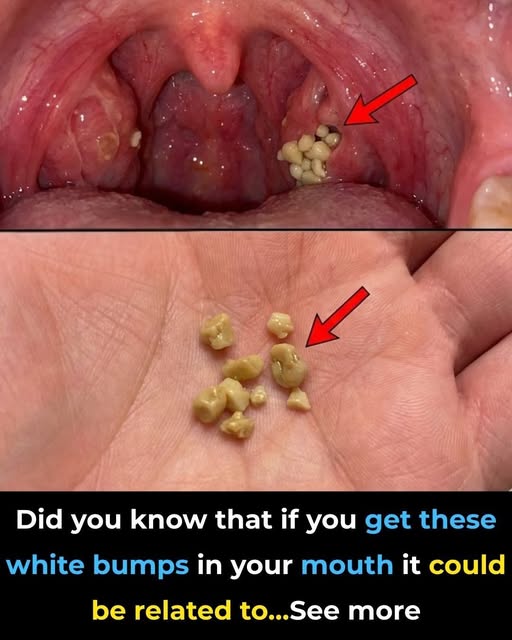
Tonsil stones, or tonsilloliths, are a condition that often feels far more alarming than it actually is. Many people discover them unexpectedly while coughing, yawning, or brushing their teeth, noticing a small white or yellowish lump with a strong, unpleasant odor. The sudden encounter can spark embarrassment, worry, or confusion, especially because tonsil stones are rarely discussed openly. In reality, they are extremely common and form naturally as a byproduct of how the tonsils function. Tonsils are not smooth; they contain tiny folds and pockets called crypts, which trap bacteria and debris as part of the immune system’s defense. Over time, food particles, dead cells, mucus, and bacteria can accumulate in these crypts, harden, and calcify into stones. While generally harmless, tonsil stones can affect comfort, confidence, and daily life, primarily due to their association with chronic bad breath.
Recognizing tonsil stones can be challenging, as many people have them without noticeable symptoms. Some remain deeply lodged in the tonsil crypts, causing no discomfort, while others trigger persistent halitosis unrelieved by brushing or mouthwash. People may also experience a feeling of something stuck in the throat, irritation while swallowing, or even ear pain, due to the interconnected nerves of the throat and ears. Visually, stones may appear as small white or yellow specks, though not all are easily seen without proper lighting. The odor arises from sulfur-producing bacteria that thrive in low-oxygen pockets, explaining why excellent oral hygiene alone may not prevent their formation. Anatomy, mucus production, and bacterial balance often play a larger role than cleanliness alone, making stones a structural and biological issue rather than a purely hygienic one.
Tonsil stones frequently recur due to the structure of the tonsils and environmental factors. People with larger tonsils or deeper crypts have more space for debris to collect. Chronic tonsillitis, frequent sore throats, allergies, and sinus issues can increase mucus production and post-nasal drip, feeding debris accumulation. Dry mouth is another contributor, as saliva naturally washes away bacteria and food particles; reduced saliva flow from dehydration, smoking, or medications increases stone formation risk. Diet can also influence recurrence, with some noticing an increase after consuming dairy, which can thicken mucus for certain individuals. Understanding these factors is essential because simple removal without addressing the underlying causes often leads to a repetitive, frustrating cycle.
Removing tonsil stones safely depends on their size, depth, and recurrence frequency. Small stones often dislodge on their own through coughing, gargling, or eating rough-textured foods. Warm saltwater gargles are highly effective, loosening debris while reducing bacterial growth and inflammation. Some people gently use cotton swabs or clean fingers to press around tonsil crypts, encouraging stones to emerge, though care must be taken to avoid injury. Low-pressure water flossers can also flush crypts safely. What should always be avoided are sharp tools or aggressive scraping, which can damage delicate tissue and cause bleeding or infection. For larger, painful, or deeply embedded stones, evaluation by an ENT specialist is recommended, as professional removal is safer and more effective.
Long-term prevention is where the most meaningful improvement occurs. Consistent oral hygiene, including twice-daily brushing, flossing, and tongue cleaning, helps reduce bacterial buildup. Staying hydrated supports saliva production, which naturally cleanses the mouth and throat. Regular gargling after meals flushes food particles before they settle into tonsil crypts. Managing nasal congestion, allergies, and sinus infections reduces post-nasal drip that contributes to stone formation. Quitting smoking can significantly lower risk by improving moisture levels and reducing irritation. Adjusting dietary habits, particularly if certain foods correlate with mucus thickness, may also help. Though simple, these daily habits collectively create an environment that discourages stone formation and reduces recurrence.
In persistent or severe cases, medical options are available. ENT specialists may perform manual removal or recommend procedures such as laser cryptolysis, which smooths tonsil surfaces to reduce debris retention. Tonsillectomy, the complete removal of tonsils, is generally reserved for chronic, debilitating cases unresponsive to conservative measures. Surgery is effective but carries risks and requires recovery, making it a last resort. For most people, tonsil stones remain a manageable nuisance rather than a serious health threat. With awareness, proper care, and consistent preventive practices, the frequency of tonsil stones can be dramatically reduced or eliminated. Though unpleasant, they serve as a reminder of the tonsils’ complex role in the body’s defense system and, with the right approach, do not need to compromise comfort, confidence, or peace of mind.