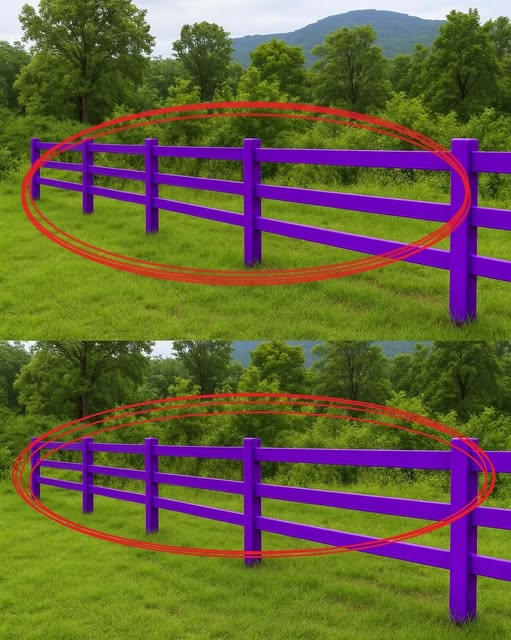
Exploring rural areas and natural landscapes often brings a sense of freedom that feels increasingly rare in modern life. Wide fields, quiet forests, and long stretches of land without visible development can give the impression that nature is open and unclaimed, inviting people to wander freely and follow their curiosity wherever it leads. In these environments, subtle details become important guides, and one of the most striking is the appearance of a fence, tree, or post painted in a vivid shade of purple. To someone unfamiliar with its meaning, this color can seem decorative, eccentric, or even whimsical, as though a landowner simply wanted to stand out or add personality to their surroundings. In reality, purple paint serves a serious and highly intentional purpose. It is a legally recognized marker in many U.S. states, carrying the same authority as a “No Trespassing” sign. Its presence transforms the landscape from seemingly open terrain into clearly defined private property, sending a silent but firm message that entry beyond that point is not permitted without permission. The color’s boldness is not accidental; it is meant to be noticed, understood, and respected, even in places where signs might otherwise be overlooked or removed.
The origins of purple boundary markings lie in practicality rather than symbolism. Traditional signage has long been the standard method for marking private property, but signs are vulnerable to weather, vandalism, theft, and simple decay. Wind can tear them loose, rain can wash away lettering, and sun exposure can fade warnings until they become unreadable. In rural and wooded areas, maintaining signs across large property lines can become expensive and time-consuming. Paint offers a durable solution that requires far less upkeep. Once applied, it can last for years with minimal maintenance, maintaining visibility through changing seasons and harsh conditions. Purple was chosen specifically because it is rare in natural environments, ensuring it stands out against green foliage, brown tree bark, and weathered wood. Unlike red or orange, which are often associated with hunting markers, construction zones, or temporary warnings, purple avoids confusion. Its distinctiveness allows it to function as a universal visual cue in regions where the law recognizes it, conveying a clear message that does not rely on language, literacy, or signage placement.
Legally, purple paint carries significant weight. In states that enforce the Purple Paint Law, landowners are permitted to mark their boundaries using purple stripes on fences, posts, or trees instead of posted signs. These markings are governed by specific rules to ensure clarity and consistency. Regulations typically define the height at which the paint must be applied, the minimum size of each marking, and the maximum distance allowed between markings along a boundary line. These standards prevent ambiguity and help ensure that anyone encountering the paint can reasonably understand its intent. Trespassing onto land marked with purple paint can result in legal consequences, including fines or arrest, depending on the jurisdiction and circumstances. For hunters, hikers, and outdoor enthusiasts, recognizing these markings is essential. Ignorance of their meaning is rarely considered a valid defense, making awareness a key part of responsible outdoor behavior.
Beyond legal enforcement, purple paint communicates a broader social message about boundaries and respect. Rural landowners often rely on this system to protect not only their property but also their way of life. Farms, ranches, and private woodlands may contain livestock, crops, equipment, or family homes that require privacy and security. By using paint rather than signs, landowners can establish boundaries without constant confrontation or repeated warnings. The color serves as a polite but firm request for others to keep their distance, reinforcing the idea that respect for private property is a shared social responsibility. For those passing through, encountering purple paint is a reminder that even beautiful, seemingly untouched land often belongs to someone who depends on it for livelihood, safety, or personal peace. Acknowledging these boundaries helps maintain trust and harmony between property owners and those who enjoy outdoor recreation.
Safety is another critical reason purple paint exists. Private land can pose unexpected hazards to uninvited visitors, including uneven terrain, hidden wells, agricultural machinery, or active hunting areas. Entering such spaces without permission increases the risk of accidents or misunderstandings that could escalate into dangerous situations. Purple markings help prevent these scenarios by clearly signaling where public access ends. At the same time, they protect landowners from liability concerns and reduce the likelihood of confrontations with trespassers. For outdoor enthusiasts, learning to recognize and respect these markers is part of navigating the natural world responsibly. It allows people to enjoy hiking, wildlife observation, and exploration while avoiding areas that could put them or others at risk.
Ultimately, a purple-painted fence or post is far more than an aesthetic choice. It represents a thoughtful balance between practicality, legality, and social courtesy. It provides landowners with a durable, effective way to protect their property while offering the public a clear and recognizable signal about where boundaries lie. For those exploring the countryside, understanding the meaning of purple paint fosters safer, more respectful interactions with the land and the people who own it. The next time a bold stripe of purple catches your eye along a trail or road, it should prompt pause and reflection rather than curiosity alone. It is a visible reminder that freedom in nature comes with responsibility, and that respecting clearly marked boundaries helps ensure rural landscapes remain peaceful, safe, and enjoyable for everyone who encounters them.