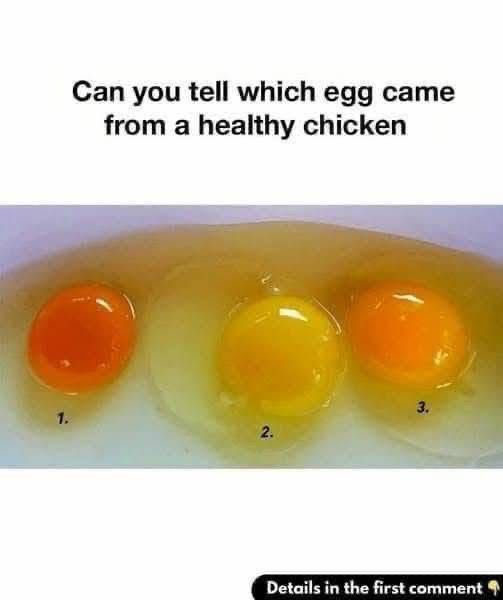
When you crack an egg into a pan or bowl, you are seeing the culmination of a chicken’s daily life, diet, and well-being—even if you never visit the farm it came from. Eggs vary widely in quality, and superior eggs reflect balance: proper nutrition, low stress, clean living conditions, and natural behaviors like foraging and movement. These factors influence taste, nutritional value, and safety, which is why learning to interpret subtle egg signals matters. The first clue is the shell. A healthy hen produces strong, smooth, and consistent shells that act as natural protective barriers. Chickens with sufficient calcium, vitamin D, and minerals develop eggs that resist cracking and feel solid in your hand. Thin, brittle, or uneven shells often hint at nutritional deficiencies or prolonged stress. Shell color depends on breed, but uniformity and strength signal a well-functioning hen capable of protecting the egg from bacteria and preserving freshness.
Once the shell is opened, the egg white provides one of the clearest indicators of freshness and hen health. High-quality eggs release thick, glossy albumen that clings closely to the yolk rather than spreading thinly. This firmness reflects strong protein structure, influenced by diet, hydration, and vitality. Healthy hens fed adequate protein and trace minerals produce whites that hold their shape, forming a dome-like layer around the yolk. Watery egg whites can signal age, but they may also indicate stress or suboptimal nutrition. Over time, carbon dioxide escapes from the shell, weakening the white, yet eggs from healthier hens begin with a stronger baseline. Clear, cloudless whites suggest proper storage and a hen free from infection or internal imbalance. In cooking, these whites whip better, fry evenly, and retain moisture, all subtle indicators that the chicken was well cared for.
The yolk, often considered the heart of the egg, carries visible evidence of a chicken’s lifestyle. Color, shape, and resilience reveal much. A bright orange or deep golden yolk typically indicates a varied diet including plants, seeds, insects, and carotenoids, which provide antioxidants and fat-soluble vitamins. Chickens restricted to grain-only diets often lay pale yellow yolks that lack both visual appeal and nutritional depth. Beyond color, a superior yolk is tall and rounded, supported by a strong membrane that resists breaking, signaling both freshness and a hen efficiently producing nutrients. A collapsed or flat yolk may reflect age, but repeated weakness can stem from poor feed or chronic stress. Flavor follows the same pattern: richer yolks taste fuller and more complex, an immediately noticeable difference for cooks transitioning from industrial to pasture-raised eggs.
Another often-overlooked indicator lies in what you do not see inside the egg. While small blood or protein spots are natural, excessive spotting can reveal stress, overcrowding, or disruptions in laying cycles. Hens kept in stable, low-stress environments usually produce eggs with clean interiors and consistent appearance. Smell is equally important: a fresh egg from a healthy hen should have minimal odor when cracked. Any strong sulfuric, musty, or rotten smell signals spoilage or contamination and means the egg should be discarded. Properly cared-for hens lay eggs that maintain a neutral scent, ensuring reassurance before the first bite.
Simple home tests can further confirm quality, with the water test being one of the most effective. A fresh egg sinks and rests flat on the bottom of a bowl of water, indicating a small air cell and minimal gas or moisture loss. Eggs that stand upright or float are older and of declining quality. While this test primarily measures freshness rather than hen health, healthier chickens tend to lay stronger eggs with better internal structure, slowing quality loss. When combined with visual and sensory cues, the water test becomes part of a comprehensive evaluation. Storage also matters: even the best eggs will deteriorate if mishandled, but starting with a healthy chicken’s egg provides a stronger baseline for freshness and longevity.
Ultimately, healthy chickens produce better eggs because biology and ethics align. Free-range hens allowed to move, forage, and express natural behaviors experience lower stress, which balances hormones and optimizes egg formation. Sunlight supports vitamin D synthesis, enhancing calcium absorption and shell strength, while varied diets enrich yolks with omega-3s, vitamins A and E, and antioxidants. Clean living conditions reduce disease risk, ensuring eggs are safer and longer-lasting. Recognizing signs such as shell strength, albumen thickness, yolk color and firmness, interior cleanliness, smell, and freshness empowers consumers to make smarter choices. In doing so, shoppers support ethical farming, protect family health, and rediscover the full potential of one of the simplest, most complete foods on the table.