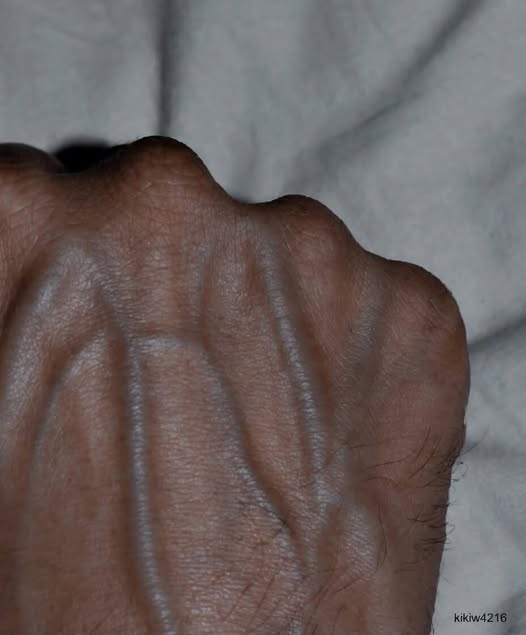
Visible veins, often referred to as vascularity, are one of the most noticeable physical traits associated with a lean and physically active body. When veins become prominent beneath the skin, it typically signals a combination of relatively low body fat and sufficient muscle development, allowing the vascular network to be more easily seen. Under normal circumstances, a layer of subcutaneous fat sits between the skin and the veins, softening or obscuring their appearance. As body fat decreases, that layer becomes thinner, making veins more visible. This is why athletes, bodybuilders, and individuals who train consistently often display pronounced veins, particularly in areas like the arms, shoulders, and legs. However, vascularity is not purely a reflection of effort or discipline. Genetics play a major role in determining how visible your veins are. Some people naturally have thinner skin or veins that sit closer to the surface, making them more noticeable even without extreme conditioning. Others may need to reach significantly lower body fat levels before seeing similar results. This natural variation explains why two individuals with similar fitness levels can look very different in terms of vein visibility. While visible veins are often associated with strength and health, they are simply one outward expression of a complex internal system influenced by multiple biological factors.
Beyond body fat and muscle mass, several physiological elements contribute to how veins appear. Skin thickness is a key factor—thinner skin allows veins to show through more clearly, while thicker skin can obscure them even in lean individuals. Age also plays a role, as the skin gradually loses collagen and elasticity over time, becoming thinner and more translucent. This natural aging process often makes veins more noticeable, even in people who are not particularly lean. Hydration is another important influence. When the body is well hydrated, tissues hold more fluid, which can slightly soften the appearance of veins. In contrast, dehydration reduces fluid in the tissues, making veins appear more pronounced. This is why athletes sometimes experience increased vascularity during intense workouts or in hot environments, where fluid loss and increased blood flow combine to enhance vein visibility. Temperature itself has a direct effect as well. In warmer conditions, blood vessels dilate to help regulate body temperature, causing veins to expand and become more visible. In colder environments, the opposite occurs—vasoconstriction reduces blood flow near the skin’s surface, making veins less noticeable. These shifting conditions demonstrate that vascularity is not a fixed trait, but a dynamic one that responds to both internal and external changes.
Muscle development further amplifies vascularity by physically altering the space beneath the skin. As muscles grow through resistance training, they push outward, bringing veins closer to the surface. This effect, combined with improved circulation from regular exercise, enhances the appearance of veins both during and after workouts. The familiar “pump” experienced during strength training is a temporary increase in blood flow to working muscles, which can dramatically increase vein visibility in the short term. Over time, consistent training improves the efficiency of the cardiovascular system, supporting better blood flow and vascular responsiveness. Cardiovascular fitness also contributes by strengthening the heart and improving the elasticity of blood vessels, allowing them to expand and contract more effectively. While these adaptations are beneficial for overall health, they also contribute to the aesthetic aspect of visible veins. However, it is important to recognize that extreme levels of vascularity—such as those seen in competitive bodybuilding—often involve temporary conditions like dehydration or carbohydrate manipulation, which are not sustainable or necessarily healthy long-term. The everyday goal should not be extreme visibility, but rather balanced physical conditioning that supports both performance and well-being.
Genetics remain one of the most decisive factors in determining vascular appearance. Some individuals are naturally predisposed to high vascularity due to inherited traits such as superficial vein placement, lighter skin tone, or specific body fat distribution patterns. Hormonal differences also influence vascularity. Higher levels of testosterone, for example, are associated with increased muscle mass and lower body fat, both of which contribute to more visible veins. This partly explains why men tend to display more vascularity than women on average, although many women in fitness achieve noticeable vein definition as well. Hormonal fluctuations, such as those occurring during pregnancy or different phases of the menstrual cycle, can also temporarily affect blood volume and vessel dilation, altering how veins appear. These biological variations highlight the importance of not comparing vascularity too rigidly between individuals. What may be easily achieved for one person could require extreme and unsustainable measures for another. Understanding this helps shift the focus away from unrealistic expectations and toward a more personalized approach to health and fitness.
While visible veins are often harmless and even desirable in fitness contexts, there are situations where they may indicate underlying health concerns. Conditions such as varicose veins occur when vein valves weaken, causing blood to pool and vessels to enlarge. These veins often appear twisted or bulging and may be accompanied by discomfort, swelling, or a heavy sensation in the legs. Another concern is sudden or unusual vein prominence, especially if it appears in only one area or is associated with pain, redness, or warmth. Such symptoms could signal circulatory issues like blood clots or inflammation and should be evaluated by a medical professional. Chronic dehydration, excessive stimulant use, or extreme dieting can also exaggerate vascularity in ways that are not beneficial to overall health. In athletes, pushing body fat too low for extended periods can disrupt hormonal balance, weaken the immune system, and reduce energy levels. These risks emphasize the need to interpret visible veins within a broader health context rather than viewing them as a standalone indicator of fitness. Paying attention to accompanying symptoms and overall physical condition is essential for maintaining long-term well-being.
From a practical perspective, achieving moderate and healthy vascularity involves consistent, balanced habits rather than extreme measures. A sustainable approach includes maintaining a slight caloric deficit if fat loss is desired, combined with regular strength training to build and preserve muscle mass. Incorporating cardiovascular exercise supports heart health and improves circulation, both of which contribute to better vascular function. Adequate hydration is crucial, not only for performance but also for maintaining proper fluid balance within tissues. Nutrition should focus on whole, nutrient-dense foods, with sufficient protein intake to support muscle repair and growth. Rather than chasing rapid changes, gradual progress over time leads to more stable and lasting results. Tracking improvements through photos, measurements, or fitness performance can provide a more accurate picture than relying solely on visual cues like vein visibility. This approach helps prevent the tendency to overemphasize aesthetics at the expense of health. By focusing on consistency and balance, visible veins can emerge naturally as a byproduct of improved fitness rather than the primary goal.
The cultural significance of visible veins has grown alongside the rise of social media and modern fitness culture, where physical appearance is often showcased and compared. Prominent veins are frequently associated with discipline, strength, and dedication, becoming a visual shorthand for hard work in the gym. While this can be motivating for some, it can also create unrealistic expectations, especially when images are enhanced by lighting, posing, or temporary conditions like dehydration. This environment can lead individuals to prioritize appearance over health, sometimes engaging in extreme behaviors to achieve a certain look. Recognizing these influences is important for maintaining a healthy mindset. Visible veins should be seen as one possible outcome of a balanced lifestyle, not a requirement or measure of worth. Fitness encompasses a wide range of factors, including strength, endurance, mobility, and mental well-being, none of which are fully captured by vascularity alone. Shifting the focus toward overall health helps reduce unnecessary pressure and supports a more sustainable relationship with fitness.
In conclusion, visible veins are the result of a complex interaction between body fat levels, muscle development, genetics, hydration, and environmental factors. While they often indicate a lean and active physique, they do not provide a complete picture of health. Understanding the multiple influences behind vascularity allows for a more informed and balanced interpretation of what it represents. Rather than pursuing vein visibility as an end goal, it is more beneficial to focus on sustainable habits that support overall well-being. Strength training, proper nutrition, adequate hydration, and regular health monitoring form the foundation of true fitness. When these elements are in place, visible veins may naturally appear as a secondary benefit, reflecting the body’s adaptation to consistent effort. Ultimately, the value of fitness lies not in how the body looks at a glance, but in how it functions, feels, and supports long-term health and vitality.