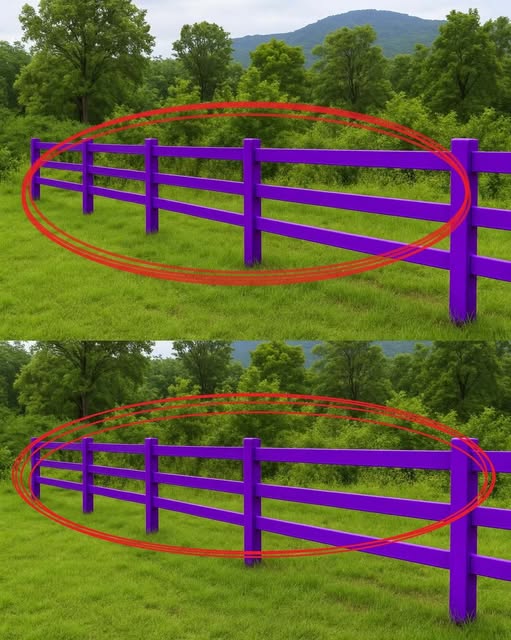
Exploring the outdoors often brings moments of wonder, curiosity, and discovery, whether trekking along forested trails, wandering riversides, or strolling through rural neighborhoods. Occasionally, however, something unusual catches the eye—a fence painted in a bold, unmistakable shade of purple. At first glance, many assume the color is merely an aesthetic choice, a creative flourish reflecting a homeowner’s personal taste. Yet in reality, this striking hue carries far greater significance. In multiple U.S. states, purple-painted fences, posts, or trees function as a legally recognized signal, communicating property boundaries and trespassing restrictions in a way that is highly visible, durable, and enforceable. These purple markers serve as both a visual warning and a social cue, reminding passersby that landowners have rights to their property and that exploration should always be balanced with caution, respect, and awareness of legal limits. What appears as a simple pop of color is actually a sophisticated system that combines law, safety, and social norms in the natural landscape.
The origins of purple-painted property markers are rooted in practicality. Traditional “No Trespassing” signs are often subject to damage, theft, or vandalism, making them unreliable over time. Paint, in contrast, provides a durable, cost-effective, and long-lasting alternative capable of withstanding wind, rain, snow, and sun without constant replacement. The choice of purple specifically is deliberate: it stands out in natural environments, remaining visible against green foliage, brown earth, or other muted landscape tones. Unlike common warning colors such as red, orange, or yellow—which can be confused with traffic signals, construction areas, or other alerts—purple is rare in nature and easily recognizable. This combination of durability and visibility makes purple an ideal tool for clear communication. By marking property lines with this vivid hue, landowners create a message that is instantly understood and consistently reinforced, ensuring that boundaries are communicated effectively over time.
The legal significance of purple paint markings cannot be overstated. In states that recognize the Purple Paint Law, these marks carry the same authority as traditional posted signs. Trespassing on areas demarcated with purple paint can result in fines, legal citations, or even arrest, depending on local regulations and the severity of the violation. Each state specifies rules for applying purple paint, including minimum and maximum heights for markings, the width of painted stripes, and how frequently posts or trees should be marked along a property line. These regulations ensure uniformity, preventing ambiguity and helping anyone who encounters the paint to immediately understand its meaning. For hikers, hunters, campers, and casual explorers, recognizing purple paint is critical—it is a visual shorthand signaling “private property,” alerting them to avoid trespassing while navigating the landscape safely and respectfully.
Beyond legality, purple fences also carry social and ethical messages. They communicate privacy, personal space, and the landowner’s right to protect their property without resorting to confrontational measures. A purple-painted boundary is both a polite warning and a firm assertion of ownership, reminding visitors that exploration must be conducted with respect for others’ rights. This color serves as a social tool, promoting civility and awareness in rural and natural spaces where unmarked areas might otherwise be assumed to be open to the public. Understanding this dual purpose—legal enforcement and social etiquette—helps outdoor enthusiasts approach landscapes thoughtfully, balancing curiosity with consideration for property owners. By interpreting these markers correctly, visitors can enjoy nature without inadvertently creating conflict or legal issues.
Purple paint also contributes to outdoor safety. Entering unmarked private property can expose individuals to hazards such as livestock, uneven terrain, hidden ditches, or other environmental risks that the landowner is responsible for maintaining. By following the cues of purple markings, explorers minimize their own risk while protecting the property from accidental damage or intrusion. For landowners, purple paint reduces the need for direct confrontation with trespassers, creating a system that preserves safety, peace, and order. The combination of high visibility and legal recognition ensures that both parties benefit: property is respected, visitors are protected, and rural or natural areas can coexist with responsible human activity.
Ultimately, encountering a purple fence is more than a matter of aesthetics—it is a deliberate, legal, and social signal conveying an important message: this area is private, trespassing is prohibited, and boundaries must be respected. The color embodies a thoughtful integration of practicality, law, and civility, allowing landowners to mark property clearly while enabling visitors to navigate safely and responsibly. Next time a vivid purple fence, post, or tree catches your eye during a countryside stroll, hike, or drive, remember that it represents far more than decoration. It is a visible, enforceable reminder that respecting private property is both a legal obligation and a social responsibility, ensuring that outdoor spaces remain safe, orderly, and enjoyable for all.