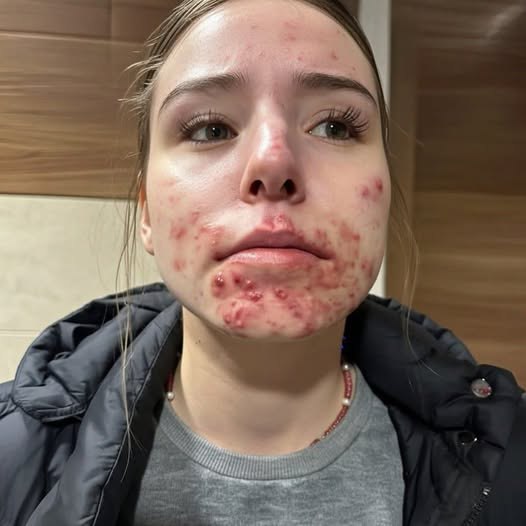
Acne is often thought of as a problem relegated to adolescence, a temporary stage of life accompanied by awkwardness, fluctuating self-esteem, and occasional embarrassment. Yet, for many adults, particularly those in their forties, fifties, and beyond, persistent breakouts along the chin and jawline have become an increasingly common and frustrating experience. These blemishes can appear suddenly, resist traditional over-the-counter solutions, and flare in unpredictable patterns that seem out of proportion to any external cause. Understanding adult chin acne requires looking beyond surface-level hygiene, because it often reflects a complex interplay between internal biological factors, environmental influences, and the cumulative effects of lifestyle over time. Unlike the sporadic adolescent breakouts driven primarily by puberty-related hormones, adult acne is frequently tied to deeper physiological processes, including subtle shifts in endocrine function, stress response, and systemic inflammation. Recognizing this broader context allows people to approach treatment with a sense of strategy and control, rather than frustration and confusion, and reframes breakouts as informative signals rather than personal failure.
Hormonal fluctuations are among the most significant drivers of adult acne concentrated on the chin and jawline, and these fluctuations do not end with the teenage years. The skin is highly sensitive to variations in androgen levels, which regulate the activity of sebaceous glands and oil production. Even modest increases in androgen influence can prompt pores to become clogged, inflamed, and prone to blemishes. For women, these changes are often pronounced during perimenopause and menopause, when declining estrogen levels allow androgens to exert more visible effects on the skin. Additionally, modifications in birth control, the initiation of hormone replacement therapy, or conditions such as polycystic ovary syndrome (PCOS) can all exacerbate oil production, making chin breakouts more frequent and resistant to topical interventions. Men also experience gradual hormonal shifts over time that can subtly alter skin behavior, particularly in areas predisposed to oil accumulation. Hormonal acne is distinct in its tendency to appear in recurring patterns, often deeper, more tender, and concentrated in specific zones, signaling that the skin is responding to internal, systemic cues rather than external dirt or poor hygiene. Paying attention to these patterns can provide important clues for both prevention and targeted intervention.
Stress, often underestimated, has a powerful impact on adult acne and disproportionately affects breakouts along the lower face. Chronic stress triggers the release of cortisol and other stress-related hormones, which stimulate sebaceous glands, disrupt immune regulation, and increase systemic inflammation. For adults, stress may be continuous, stemming from career responsibilities, family obligations, caregiving duties, or the pressures of health and aging. Elevated cortisol not only primes the skin for clogged pores but also amplifies inflammatory responses, making blemishes more painful and slower to heal. The chin and jawline, in particular, seem especially sensitive to stress-related flare-ups, potentially due to localized oil production or the concentration of hormone-sensitive receptors in these areas. Incorporating stress-reducing strategies—such as mindfulness meditation, consistent physical activity, restorative sleep, social support, or simply time spent in nature—can have tangible benefits for skin clarity. These practices address the root of the physiological stress response rather than merely masking symptoms, highlighting the deep connection between emotional well-being and visible skin health.
Dietary patterns further influence adult chin acne, though their effects are often subtle and cumulative rather than immediate. High-glycemic foods, refined carbohydrates, and excess sugar can trigger insulin spikes, which in turn can increase androgen activity and sebaceous gland output. Dairy products, especially milk, have also been implicated in acne for some individuals, likely due to naturally occurring hormones that affect the body’s own hormone balance. Over time, these dietary influences can exacerbate inflammation and make the skin more prone to recurring breakouts. For adults balancing multiple health considerations—including cardiovascular risk, diabetes prevention, and weight management—these dietary factors intersect with broader wellness goals. Shifting toward a balanced diet rich in whole foods, including fresh vegetables, fruits, lean proteins, healthy fats, and complex carbohydrates, can support stable hormone levels, reduce systemic inflammation, and improve both skin and long-term health outcomes. Unlike topical treatments, dietary adjustments affect the body internally, addressing underlying contributors rather than temporary symptoms.
Skincare practices themselves can either alleviate or aggravate adult acne, particularly as the skin undergoes natural changes with age. Many adults unknowingly adopt overly aggressive routines that compromise the skin’s barrier, leading to rebound oil production and heightened sensitivity. Over-cleansing, harsh exfoliation, frequent switching of products, and the use of non-compatible ingredients can worsen breakouts rather than prevent them. Mature skin requires a careful balance: acne-fighting products should be paired with hydrating, non-comedogenic moisturizers to maintain barrier integrity while targeting blemishes. Additionally, day-to-day environmental exposures can subtly contribute to chin acne, including hair products transferring onto the face, residues in facial hair, dirty phone screens, or pillowcases that accumulate oils and bacteria. Simple habit modifications—such as regular cleaning of items that touch the face, mindful hand-to-face contact, and consistent application of gentle skincare—can significantly reduce the frequency and severity of lower-face breakouts over time. These small but consistent interventions often yield more sustainable results than sporadic or harsh treatments.
Persistent adult chin acne can also serve as a visible indicator of internal health or endocrine disruptions that require professional evaluation. In cases where breakouts do not respond to lifestyle changes, dietary adjustments, or over-the-counter topical treatments, it may be necessary to investigate hormonal imbalances, systemic inflammation, or other medical factors contributing to skin changes. Dermatologists and healthcare providers can assess androgen levels, screen for conditions such as PCOS, and offer targeted therapies ranging from prescription topical medications to oral treatments that regulate hormonal activity. Chin and jawline breakouts, particularly when recurrent, deep, or cystic, should not be dismissed as cosmetic inconveniences but rather interpreted as signals from the body that internal regulation may need attention. Addressing these underlying factors directly often produces more meaningful results than surface-level interventions alone, reinforcing the principle that skin reflects broader health rather than isolated cosmetic conditions.
Ultimately, chin and jawline acne in adulthood is a multifactorial condition shaped by hormonal dynamics, stress, diet, lifestyle, and the natural aging process. While it can feel frustrating and intrusive, understanding the contributing factors provides the foundation for effective, sustainable management. Properly tailored skincare, thoughtful dietary choices, stress mitigation, and professional guidance can collectively restore clarity, balance, and confidence. Importantly, these breakouts are not a personal failing—they are an expected manifestation of complex internal and external influences on the skin. With patience, awareness, and a holistic approach, adults can regain control over their skin’s health, reduce recurring blemishes, and support overall wellness at every stage of life. Recognizing acne as a signal rather than a source of shame empowers individuals to respond thoughtfully, creating long-term improvements not only in appearance but in systemic health and self-confidence.