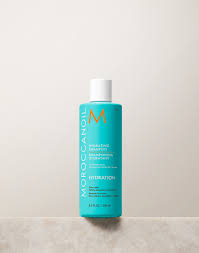
News of a nationwide shampoo recall has drawn widespread attention, not because of celebrity branding or cosmetic inconvenience, but due to serious public health concerns. Two widely used shampoo products were removed from shelves after routine testing identified possible contamination with a bacterium that can pose health risks under certain circumstances. While shampoo is generally considered low-risk, its frequent contact with the scalp, skin, and eyes places it in a category where contamination demands caution. Authorities emphasized that the recall is precautionary, intended to prevent harm before any illnesses occur. Even without reported adverse effects, the announcement has prompted concern among consumers who have regularly used the affected products, highlighting the importance of vigilance with everyday personal care items.
The bacterium implicated in the recall, Klebsiella oxytoca, is known to medical professionals but may be unfamiliar to most consumers. Normally, this microorganism exists harmlessly in the digestive system, but it can cause severe infections if it enters areas of the body where it does not belong, such as the bloodstream, lungs, or open wounds. Those with compromised immune systems are particularly at risk. Even though exposure through shampoo is unlikely to cause illness in healthy individuals, regulators underscore that any potential danger warrants swift action when millions of units are involved. The recall exemplifies a preventive philosophy in consumer safety, ensuring that potentially vulnerable populations are protected before incidents occur.
Certain groups face heightened vulnerability, including older adults, individuals undergoing medical treatments, and those with chronic health conditions. Minor cuts, abrasions, or scalp issues can provide a pathway for bacteria to enter the body, increasing the risk of infection. While most users may experience no adverse effects, health experts caution against dismissing the recall. Safety advisories are designed to protect all consumers, including those who may not recognize their own risk factors. Immediate discontinuation of the affected products is strongly recommended to minimize any possibility of harm, regardless of whether symptoms are present.
The manufacturer has stated that no illnesses have been reported to date, aiming to reassure the public while reinforcing the importance of caution. The recall has been classified as Class II, indicating that a product may cause temporary or reversible health effects, or that serious consequences are unlikely but possible. This classification helps consumers understand the level of urgency without causing undue alarm. Class II recalls are common in personal care industries and often arise from quality control issues rather than confirmed harm. Nevertheless, the recall underscores the complexity of modern supply chains, where a single production problem can affect products distributed across the country.
Understanding the recall process helps consumers act confidently. When a potential safety issue is identified, manufacturers notify regulatory agencies, trace affected batches using lot numbers and UPC codes, and instruct retailers to remove products from sale. Public notices guide consumers on identifying affected items and outline return procedures, often including refunds even without receipts. This system ensures that unsafe products are quickly removed from circulation and reinforces accountability in manufacturing and distribution. Recalls, while inconvenient, indicate that monitoring and oversight are functioning as intended, prioritizing public health over commercial convenience.
Ultimately, this shampoo recall serves as a reminder that consumer safety depends on vigilance at every level—from manufacturing facilities to individual households. The risk of serious harm remains low, but awareness and prompt action are key to protection. Anyone who has used the recalled products and experiences symptoms should consult a healthcare professional as a precaution. For the general public, the message is clear: stay informed, carefully review recall notices, and follow recommended steps immediately. Everyday personal care items are often taken for granted, yet this recall highlights the ongoing importance of regulatory oversight, quality control, and proactive consumer engagement in maintaining safety standards.