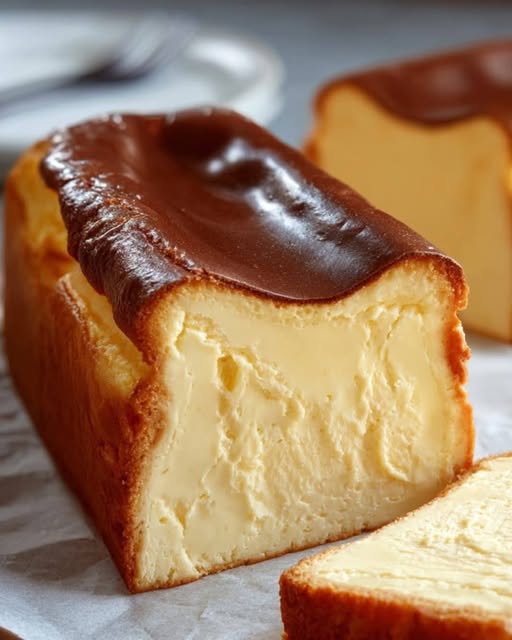
Burnt Basque Cheesecake quietly defies nearly every expectation associated with traditional cheesecake, and that defiance is precisely what makes it unforgettable. Originating in the Basque Country of northern Spain, this dessert rejects the pursuit of flawless surfaces, pale coloring, and decorative elegance. Instead, it embraces intensity: blistering heat, dramatic browning, and a surface that appears almost overbaked at first glance. Beneath that dark, caramelized exterior, however, lies an interior that is astonishingly soft, creamy, and delicate. The cake’s rustic appearance is not an error or accident but its defining characteristic. Wrinkled parchment paper, uneven edges, and a sunken center are marks of authenticity rather than imperfection. In a culinary culture often driven by precision and visual perfection, Burnt Basque Cheesecake offers a quiet rebellion, proving that confidence and restraint can be as powerful as complexity. It is bold in appearance, luxurious in taste, and deeply comforting, all while remaining remarkably simple.
The ingredient list reflects this philosophy of intentional simplicity. Cream cheese forms the foundation, providing richness and body without the need for a crust or layered components. Sugar plays a dual role, sweetening the batter while contributing to the signature burnt top through caramelization under intense heat. Eggs supply structure, but unlike dense, traditional cheesecakes, they are used in a way that preserves softness rather than firmness. Heavy cream is essential, lending silkiness and preventing the cake from becoming dry or overly set. Vanilla adds gentle warmth, while salt sharpens and balances the sweetness. A small amount of flour may be included, though many traditional versions omit it entirely. When used, it offers subtle stability without compromising the custard-like interior. Every ingredient has a clear purpose, and nothing is ornamental or excessive. This minimalism allows the flavors to speak clearly, resulting in a dessert that feels indulgent without heaviness and rich without excess.
The preparation process is notably forgiving, making Burnt Basque Cheesecake approachable even for those wary of baking. There is no water bath to manage, no anxiety over surface cracks, and no demand for exacting temperature control beyond a deliberately hot oven. The batter comes together quickly, typically with little more than a bowl and whisk or mixer, blended just until smooth. Overmixing is unnecessary, and minor inconsistencies rarely affect the final result. The pan is lined generously with parchment paper, extending well above the rim and folding naturally along the sides. These creases are not merely functional; they contribute to the cake’s signature rustic look. Once poured, the batter requires no smoothing or tapping. It goes straight into the oven, where high heat does the work. This lack of fuss is central to the appeal, replacing precision with confidence and rewarding the baker with consistently impressive results.
Baking is where the cheesecake’s character truly takes shape. Unlike conventional cheesecakes that rely on slow, gentle heat, this one thrives under intensity. The high temperature causes the top to brown rapidly and deeply, sometimes nearing black in spots. This dramatic surface is more than visual impact; it creates complexity, blending bitterness, sweetness, and caramelized depth that contrasts beautifully with the mild interior. The defining moment comes at removal from the oven. The edges should be set, while the center remains visibly jiggly, almost fluid when gently shaken. This movement is not a flaw but a promise of the texture to come. As the cake cools, it naturally collapses inward, forming a sunken center that reinforces its rustic charm. The transformation from oven to rest is part of the experience, emphasizing that this dessert evolves rather than simply finishes.
Once cooled, texture becomes Burnt Basque Cheesecake’s greatest strength. The interior settles into a dense yet silky consistency, somewhere between classic cheesecake and baked custard. Each slice reveals a creamy center that melts on the tongue, balanced by the firm, caramelized exterior. The contrast between the bittersweet crust and the rich, gently tangy filling creates depth without relying on toppings or embellishments. This balance is what makes the dessert so satisfying. It does not depend on added sweetness, fruit, or decoration to impress. Instead, it rewards patience and attention, offering subtle shifts in flavor and texture with each bite. Served at room temperature or lightly chilled, it feels indulgent without being cloying, encouraging smaller portions and thoughtful enjoyment rather than excess.
With time, Burnt Basque Cheesecake often improves. Stored in the refrigerator, it keeps well for several days, and many devotees insist its flavor deepens after resting overnight. The caramelized top softens slightly, while the interior becomes even creamier and more cohesive. It is traditionally served plain, though a touch of lightly sweetened cream or fresh fruit can accompany it without overshadowing its character. What ultimately sets this dessert apart is its confidence. It does not strive to impress through decoration or complexity. It trusts technique, heat, and quality ingredients to speak for themselves. In doing so, Burnt Basque Cheesecake delivers more than a memorable dessert. It offers a philosophy of cooking—one that values boldness over perfection, fundamentals over excess, and the beauty of imperfection when flavor and feeling are allowed to lead.